
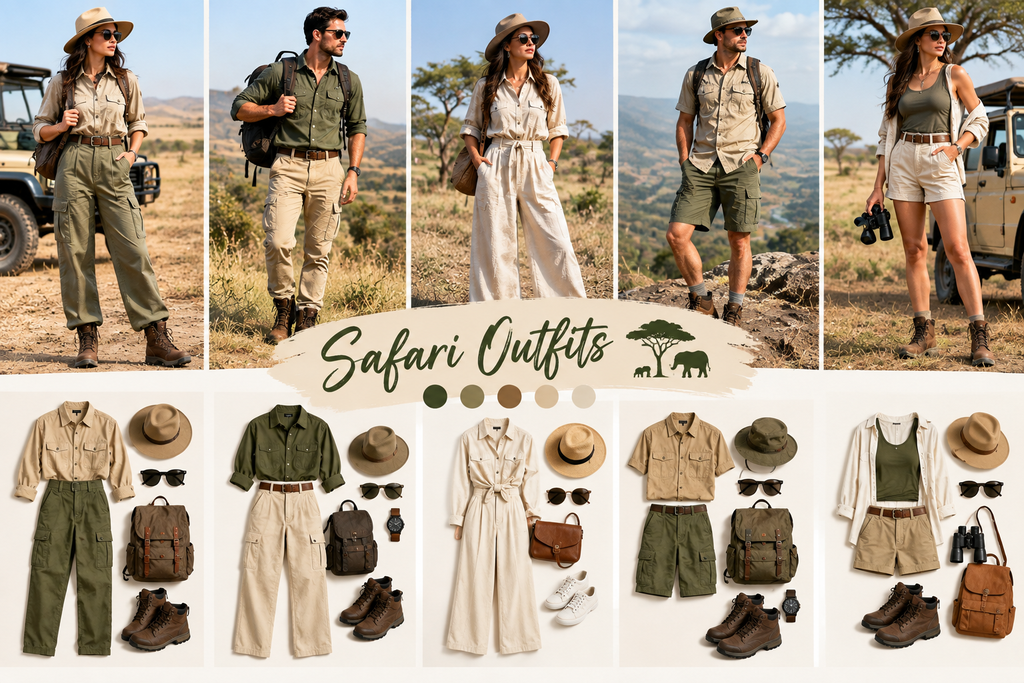
Going on a safari in the Serengeti is an amazing experience. The park is known for its open plains, diverse landscapes, and rich wildlife. When planning your trip, packing smart is important. A good safari packing list for Serengeti will help you stay comfortable, prepared, and ready for changing weather and safari conditions.
Whether you are planning game drives, a walking safari, or a longer stay at a lodge or tented camp, the right items can make your trip more convenient. The following checklist covers the essential items to pack, along with several additional items that can be useful during a Serengeti safari.
Essential Clothing for the Serengeti Safari
Clothing should be on top of your safari packing list for Serengeti because temperatures can vary considerably throughout the day. The Serengeti can be warm during the daytime and chilly during early mornings and evenings, so packing clothes that can be layered is a practical approach.
Begin with lightweight, breathable clothing. Neutral colors such as khaki, beige, olive, and brown are commonly recommended for safari activities because they are practical for outdoor environments and less noticeable against the natural surroundings. Consider packing long-sleeved shirts and lightweight trousers. They can provide protection from the sun, dust, and insects. A wide-brimmed hat can also help protect your face, neck, and head from the sun. For cooler mornings and evenings, bring a light jacket, fleece, sweater, or warm layer. If your safari takes place during a wetter period, a lightweight waterproof jacket can also be useful. It is generally better to pack several versatile clothing items that can be layered rather than taking large amounts of heavy clothing.
Planning a Travel!
Safari Costume for Men – Zookeeper Costume
The Safari Costume for Men – Zookeeper Costume is a complete safari-inspired outfit designed to create a classic explorer look. The set includes a vest, safari hat, neck scarf, binoculars, sunglasses, and gloves, providing several coordinated accessories in one package. It can be suitable for Halloween, themed events, photography, educational activities, and safari-inspired occasions. For travelers interested in safari clothing or themed outdoor outfits, this costume offers a convenient all-in-one option.
Affiliate Disclosure: As an Amazon Associate, we earn from qualifying purchases.
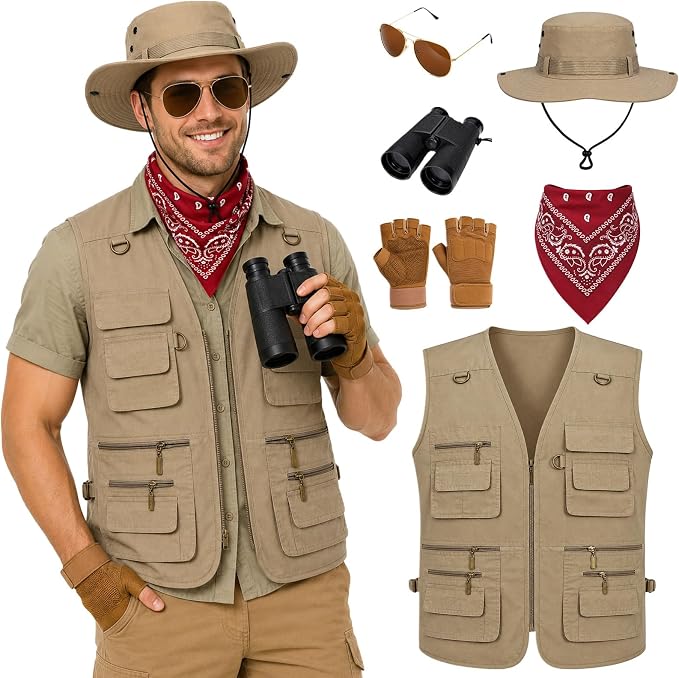
Safari Costume for Men – Zookeeper Costume with Vest Hat Neck Scarf Binocular Sunglasses and Gloves, Halloween Outfit
- COMPLETE 6-IN-1 SAFARI COSTUME SET
- MULTI-POCKET UTILITY VEST
- ADJUSTABLE SAFARI ACCESSORIES
- ICONIC KHAKI & RED STYLING
- DURABLE & VERSATILE FOR ALL EVENTS
Comfortable Footwear
Comfortable and durable footwear is essential. The Serengeti can involve long game drives, walking around camps, and, depending on your itinerary, guided walking activities. Hiking boots or sturdy closed-toe shoes are recommended for walking safaris and other outdoor activities. They provide support and protection when walking on uneven or dusty terrain. For lodge stays and relaxed evenings, lightweight shoes or sandals can also be useful. Don’t forget to bring comfortable socks to reduce the risk of blisters during long walks or travel days.
If you are participating in a walking safari, check with your safari operator about the recommended footwear before your trip because requirements can vary depending on the activity and terrain.
Best adventure shoe option!
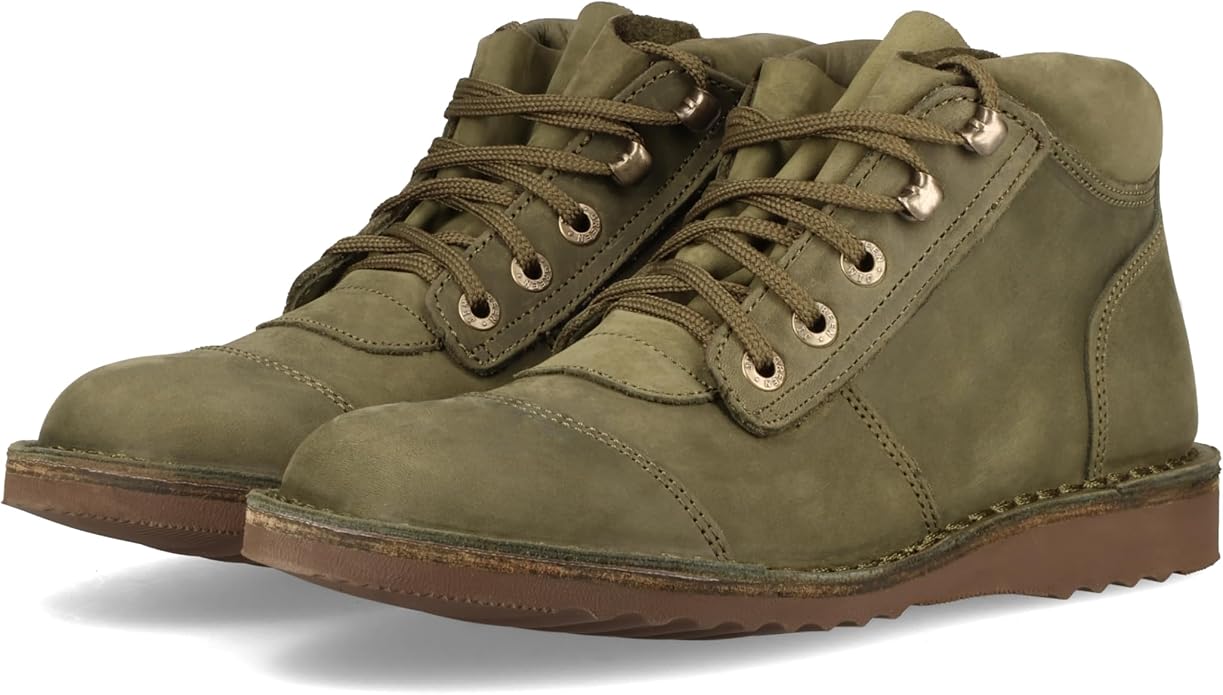
JIM GREEN Men’s African Ranger Boots Lace-Up Water Resistant Full Grain Leather Work or Hiking Boot
- FIT & SIZING
- wedge sole that is designed to grip while the softer rubber compound keeps the Ranger quiet while walking through the forest
- The soft leather collar and tongue provide comfort and weight
- Designed to take on the daily outdoor and work challenges that come with the harsh terrain
Sun Protection
The Serengeti can be sunny and hot, so bring sun protection is a must on your safari packing list for Serengeti. Pack sunscreen with a suitable SPF and apply it regularly, particularly when spending extended periods outdoors. A wide-brimmed hat can protect your face and neck, while sunglasses can help protect your eyes from bright sunlight and dust. Lip balm with sun protection can also be useful because dry air and prolonged sun exposure can cause uncomfortable dryness.
Insect Repellent
During wetter periods, insects can be more noticeable in the Serengeti. To reduce mosquito and other insect bites, include an effective insect repellent in your luggage. A DEET-containing insect repellent is one option, although travelers should follow the product instructions and consider advice from a healthcare professional when choosing insect protection. Long-sleeved shirts and trousers can provide an additional physical barrier. If you are staying in a tented camp, follow the accommodation’s instructions regarding mosquito nets and other insect-control measures.
Binoculars and Camera Gear
One of the highlights of a Serengeti trip is observing wildlife in its natural environment. Binoculars can make it easier to see animals and birds from a safe distance without needing to approach them. Compact binoculars are convenient for safari travel, while models such as 8x or 10x magnification can be suitable for wildlife observation. Choose a pair that is comfortable to hold and easy to carry. A camera is also useful for photographing the landscapes and wildlife. If you plan to take many photographs, pack extra memory cards and spare batteries. A camera lens cloth can help remove dust from lenses, while a protective camera bag can provide additional protection during dusty game drives.
Day Pack or Small Backpack
A small day pack or backpack is useful for carrying essential items during game drives and other activities. Your safari packing list for Serengeti should include a lightweight day bag for items such as a water bottle, camera, sunscreen, binoculars, snacks, medications, and personal documents. Choose a bag that is comfortable, durable, and easy to access. Avoid making it unnecessarily large or heavy, particularly if you will frequently move between vehicles, camps, and lodges.
Medications and First Aid Kit
When visiting the Serengeti, it is important to be prepared for common health needs. Pack a small personal first-aid kit containing useful items such as bandages, antiseptic supplies, and appropriate pain relievers. Bring sufficient supplies of any regular prescription medicines you require. Keeping medicines in their original packaging can also make them easier to identify while traveling. Before your trip, consult a qualified healthcare professional about recommended vaccinations, malaria prevention, and any other health precautions relevant to your itinerary. It is also useful to carry basic personal health supplies in your day pack rather than placing everything in checked or stored luggage.
Water and Snacks
Staying hydrated is important, particularly during warm days and long game drives. Carry a reusable water bottle and make sure you have access to enough drinking water throughout the day. Many lodges, camps, and safari operators provide drinking water, but travelers should confirm what is included in their specific itinerary. Snacks can also be useful during long drives between wildlife-viewing areas. Energy bars, nuts, dried fruit, or other convenient snacks can provide a quick source of energy. When carrying food, follow your guide’s instructions about storing and disposing of it. Do not leave food outside in areas where it could attract wildlife.
Flashlight or Headlamp
If you need to move around in the dark, bring a flashlight or headlamp. It’s a helpful item on your safari packing list for Serengeti,particularly when staying in tented camps or campsites. You may need additional light when walking between accommodation areas at night or during a power outage. A headlamp has the advantage of keeping both hands free. Pack spare batteries or choose a rechargeable model and keep it easily accessible rather than buried at the bottom of your luggage.
Documents and Money
Don’t forget important travel documents such as your passport, visa or entry documents, travel tickets, accommodation information, and travel insurance details. Keep important documents protected in a secure, waterproof pouch or travel wallet. It is also sensible to keep digital copies of important documents in a secure location. Bring an appropriate amount of cash for expenses such as tips, small purchases, or local markets. The usefulness of cash and payment cards can vary depending on your location and accommodation, so confirm payment options with your safari operator before departure.
Dry Bags or Waterproof Gear
Rain is possible in the Serengeti, particularly during wetter periods. Packing a waterproof jacket, rain cover, or dry bag can help protect important belongings from unexpected rain. Dry bags are especially useful for protecting cameras, phones, documents, power banks, and other electronics. A waterproof cover for your day pack can provide another layer of protection during sudden showers. Even when rain is not expected, keeping sensitive electronics protected is a practical precaution.
Power Bank and Charging Accessories
A power bank is another useful addition to your safari packing list for Serengeti. Long game drives and travel between remote camps can make it inconvenient to recharge your phone or other small electronic devices. Bring a reliable power bank and the appropriate charging cables for your devices. If you use a camera, consider carrying spare batteries as well. Some safari vehicles and accommodations may offer charging facilities, but availability can vary. For this reason, it is better not to depend entirely on access to a power outlet.
Universal Travel Adapter
International travelers should consider packing a universal travel adapter suitable for Tanzania. A travel adapter allows you to charge devices when the plug configuration differs from the one used in your home country. If you are traveling with several devices, a compact multi-port charger can also help reduce the number of individual chargers you need to carry. Check the electrical specifications of your devices and accommodation before relying on any particular charging equipment.
Safari Luggage and Weight Restrictions
Choosing the right luggage is particularly important if your Serengeti itinerary includes flights between airports and remote safari airstrips. Some safari flights have strict baggage limits and may require soft-sided luggage rather than large hard-shell suitcases. Baggage rules can vary between airlines, aircraft, and safari operators. Before packing, confirm the exact luggage type, weight allowance, and dimensions with your airline or safari operator. A lightweight duffel bag or suitable soft-sided travel bag can make it easier to move between vehicles, camps, lodges, and aircraft.
Toiletries and Personal Hygiene Items
Pack the basic toiletries you use regularly, including a toothbrush, toothpaste, deodorant, moisturizer, lip balm, and other personal-care products. Wet wipes and hand sanitizer can be particularly convenient during long game drives when access to washing facilities may be limited. Travelers staying in camps should also consider carrying a few personal hygiene items that they do not want to rely on their accommodation to provide. Keep toiletries in a compact waterproof bag to prevent leaks from affecting clothing or electronic equipment.
Rain Jacket and Weather Protection
Although a dry and sunny day is common during many safari itineraries, weather conditions can change. A lightweight waterproof jacket or poncho takes up relatively little space and can be useful during unexpected showers. Choose rain gear that is lightweight and easy to pack into your day bag. A waterproof cover for your backpack can provide additional protection for cameras, phones, and documents.
Neck Gaiter or Buff
A neck gaiter or buff can be useful during dusty game drives. It can provide additional protection from dust, sunlight, and cooler air during early-morning drives. It is lightweight and takes up very little space, making it an easy item to add to your luggage.
Lightweight Gloves
Early-morning safari drives can sometimes feel cool, particularly when traveling in an open-sided vehicle. Lightweight gloves can provide additional comfort during these cooler periods. They are not essential for every traveler, but they can be useful if your safari includes early starts or travel during cooler conditions.
Quick-Dry Towel
A small quick-dry towel can be useful for travelers staying at campsites or moving between different accommodations. Unlike a large conventional towel, a quick-dry travel towel is compact and easy to store. It can also be useful during longer journeys when you want an extra personal item without adding significant weight.
Travel Pillow and Eye Mask
A travel pillow and eye mask can make long flights, road transfers, and early departures more comfortable. Safari schedules can begin early in the morning, so getting enough rest is important. These items are optional, but they can be particularly useful during international flights or long transfers.
Hand Sanitizer and Wet Wipes
Hand sanitizer and wet wipes are practical additions to your day pack. They can be useful after eating snacks, during long drives, or when facilities are not immediately available. Choose travel-sized products that are easy to carry and keep them accessible during game drives.
Bags for Dirty or Wet Clothes
A few reusable bags can help separate dirty, dusty, or wet clothes from clean clothing. This is especially useful when traveling between several lodges or camps because it keeps your luggage more organized. Lightweight laundry bags are also useful for keeping used clothing together throughout your trip.
Packing for Different Serengeti Seasons
Your packing needs can vary depending on when you visit the Serengeti. During warmer periods, prioritize lightweight and breathable clothing, sun protection, and sufficient water. During cooler mornings and evenings, layering becomes more important, so include a fleece, sweater, or light jacket. If you travel during wetter periods, add waterproof clothing, dry bags, and protective covers for your backpack and electronics. Instead of packing for every possible condition, check the expected weather for your travel dates and adjust your clothing accordingly.
Packing for Walking Safaris
Walking safaris require a slightly different approach to packing than vehicle-based game drives. Sturdy closed-toe footwear, comfortable long trousers, a lightweight long-sleeved shirt, sun protection, insect repellent, and sufficient drinking water can be particularly important. Keep your personal belongings to a minimum because you may need to carry them while walking. Always follow the requirements of your safari operator and the instructions of your guide or ranger. Some walking activities may have specific age, equipment, or booking requirements.
Packing for Families With Children
Families traveling to the Serengeti should consider the specific needs of children when preparing their luggage. Pack comfortable clothing, suitable footwear, sunscreen, insect repellent, hats, water bottles, snacks, and any required medications. A few small activities, books, or other quiet entertainment can also be helpful during long game drives. Children should remain under close adult supervision and follow all wildlife and safari safety instructions. Before booking activities, confirm any age restrictions with your safari operator.
What Not to Pack for a Serengeti Safari
Knowing what to leave at home is just as useful as knowing what to pack. Avoid bringing excessive clothing, unnecessary valuables, bulky items, or luggage that exceeds the limits of your safari flights. Large hard-shell suitcases may not be suitable for certain small aircraft, so check the luggage requirements before departure. You should also avoid packing unnecessary items that could create additional weight without providing practical value. A smaller, well-organized bag is generally easier to manage during a multi-stop safari.
Packing Tips for Electronics
Keep important electronic equipment protected from dust, moisture, and accidental damage. A camera, smartphone, power bank, charging cables, spare batteries, memory cards, and travel adapter can cover most basic electronic needs. Store sensitive equipment in protective cases or dry bags, particularly when traveling in dusty safari vehicles or during wet weather. Before leaving for a game drive, make sure your camera and phone are sufficiently charged so you can enjoy the experience without constantly searching for a power source.
Final Serengeti Safari Packing Checklist
Before leaving home, review your safari packing list for Serengeti and make sure you have the essentials:
- Lightweight, breathable clothing
- Long-sleeved shirts and trousers
- Light jacket, fleece, or sweater
- Rain jacket or poncho
- Comfortable closed-toe shoes or hiking boots
- Comfortable socks
- Wide-brimmed hat
- Sunglasses
- Sunscreen
- Insect repellent
- Binoculars
- Camera and accessories
- Extra batteries and memory cards
- Small day pack
- Reusable water bottle
- Snacks
- Personal medications
- First-aid supplies
- Flashlight or headlamp
- Passport and travel documents
- Cash and suitable payment cards
- Travel insurance information
- Dry bags or waterproof covers
- Power bank
- Charging cables
- Universal travel adapter
- Toiletries
- Hand sanitizer and wet wipes
- Neck gaiter or buff
- Optional lightweight gloves
- Quick-dry towel
- Travel pillow and eye mask
- Reusable bags for dirty clothes
Final suggestion
Packing the appropriate supplies for a Serengeti safari will significantly improve your experience. Your safari packing list for Serengeti should include comfortable, lightweight clothing, durable shoes, and sunscreen. Don’t forget bug repellent and a camera to capture the amazing wildlife. A day pack, first aid kit, and water bottle will also help you stay comfortable on your journey. By preparing with the necessary equipment, you can focus on thoroughly enjoying your Serengeti safari.
Best Safari Costume option for Women!
Affiliate Disclosure: As an Amazon Associate, we earn from qualifying purchases.
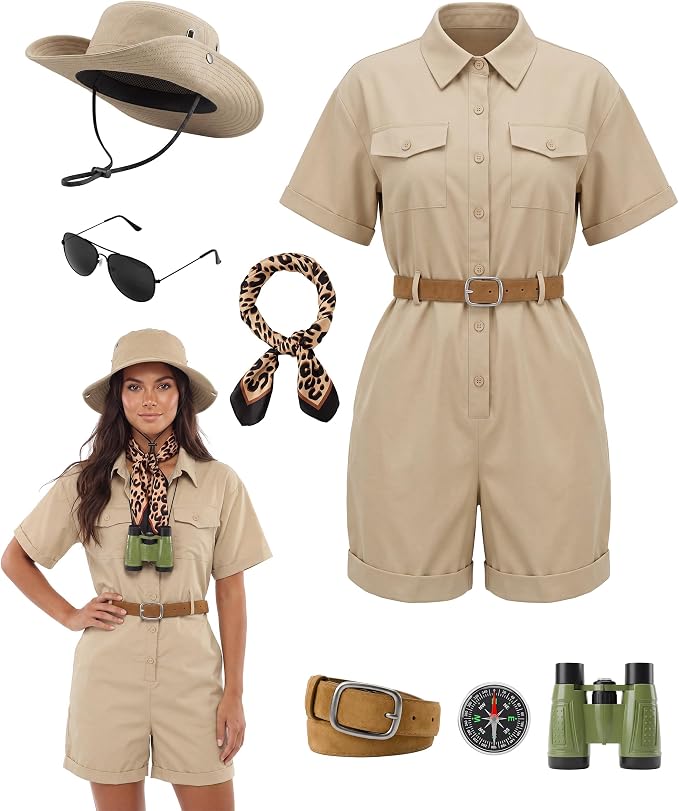
Halloween Zoo Keeper Safari Costume for Women Safari Outfit Hat Sunglasses Binoculars Leopard Print Scarf Belt
- Complete 7-Piece Costume Set
- Premium Materials & Comfort
- Realistic Safari Accessories
- Universal Fit & Versatile Use
- Easy to Wear & Gift Ready
3 Comments