Serengeti National Park is one of Tanzania’s most famous safari destinations, attracting travelers from around the world to experience its vast grasslands, diverse wildlife, and spectacular natural landscapes. However, because the park is remote and covers a huge area, reaching it requires some planning. For international travelers, getting to the Serengeti usually involves flying to Tanzania first and then continuing by road or domestic flight. In particular, most visitors traveling to the northern Tanzania safari circuit use Kilimanjaro International Airport (JRO) as an international gateway and continue through Arusha or directly toward the Serengeti. Additionally, depending on your itinerary, you can also reach the park from other Tanzanian destinations such as Zanzibar, Dar es Salaam, or Mwanza.
This guide explains how to get to Serengeti National Park from different parts of the world and covers the main transportation options, airports, roads, airstrips, travel documents, and practical planning tips.
Where Is Serengeti National Park?
Serengeti National Park is located in northern Tanzania and forms part of the larger Serengeti ecosystem. In addition, it extends across a vast area of grasslands, woodlands, rivers, and other habitats that support large populations of wildlife.
However, the park’s size and remote location mean that there is no single airport or entrance that works for every traveler. Therefore, your best arrival point depends on where you are coming from, which part of the Serengeti you want to visit, and where your lodge or safari camp is located.
This is particularly important when planning flights because the Serengeti has several airstrips serving different areas.
The Main Ways to Get to Serengeti National Park
Planning how to get to Serengeti National Park depends mainly on your starting destination, safari itinerary, preferred travel method, and the specific area of the park you plan to visit.
There are two main ways to enter the Serengeti:
- By air
- By road
Both options are widely used for safari travel, but they provide very different experiences.
Flying can reduce the amount of time spent traveling between destinations and can take you closer to your safari accommodation. On the other hand, road travel takes longer but allows you to explore other destinations along the northern Tanzania safari circuit. Furthermore, TANAPA’s current visitor information confirms that travelers can use scheduled flights to regional airstrips or road trips with licensed tour operators.
How to Get to Serengeti from Another Country
Most international visitors first need to reach Tanzania before continuing to the Serengeti. Therefore, when planning how to get to Serengeti National Park from another country, the first step is choosing the most suitable international gateway and connecting transportation. The international gateway you choose depends on your airline connections and overall safari itinerary. For northern Tanzania safaris, Kilimanjaro International Airport is an important arrival point because it provides access to Arusha and the northern safari circuit.
After arriving in Tanzania, travelers can:
- Travel to Arusha and begin a road safari.
- Fly from a regional airport toward the Serengeti.
- Arrange a private transfer to their first safari destination.
- Combine the Serengeti with other Tanzanian national parks.
- Combine Tanzania with a Kenya or Zanzibar itinerary.
The exact route depends on your international flight schedule and safari plans.
How to Get to Serengeti from the United States
Travelers from the United States generally need to make one or more connections before reaching Tanzania because nonstop service to northern Tanzania is limited. A typical journey involves flying from a major U.S. airport to an international hub and then continuing to Tanzania. Depending on the airline and itinerary, connections may be available through major Middle Eastern, European, or African aviation hubs.
After arriving in Tanzania, travelers can continue toward the Serengeti by domestic flight or road.
If your itinerary includes several destinations in Tanzania, it is useful to decide whether you want to visit Arusha, Ngorongoro, Tarangire, Lake Manyara, and the Serengeti in one continuous overland journey or use flights to reduce travel time.
How to Get to Serengeti from Europe
Travelers from Europe have several international connection possibilities for reaching Tanzania. In addition, major European airports can connect travelers with Tanzania through international airline networks. Once you arrive at Kilimanjaro International Airport, you can continue to Arusha or arrange a safari flight toward the Serengeti. Furthermore, for travelers with more time, an overland itinerary can combine the Serengeti with other northern Tanzania attractions.
Before booking, compare the arrival time of your international flight with the departure time of any domestic safari flight. Allowing sufficient connection time is particularly important when separate tickets are involved.
How to Get to Serengeti from Asia
Travelers from Asia can generally reach Tanzania through major international aviation hubs. Depending on your departure country, you may connect through airports in the Middle East, Africa, or Europe before arriving in Tanzania. Once you reach Tanzania, the next step is usually a connection toward Arusha or the Serengeti. Travelers from countries with additional visa requirements should check Tanzania Immigration’s current rules before booking their journey because requirements differ by nationality.
How to Get to Serengeti from Africa
Travelers already in Africa may have additional options because several East African destinations can be incorporated into a safari itinerary. If you are visiting Kenya, Uganda, Rwanda, Zanzibar, or another Tanzanian destination, you may be able to continue to the Serengeti by regional flight or through a planned overland itinerary. For travelers combining Kenya and Tanzania, it is especially important to plan border crossings, flights, immigration requirements, and vehicle arrangements in advance.
How to Get to Serengeti from Arusha
Arusha is one of the most important starting points for a northern Tanzania safari.
Many travelers arrive in Arusha before beginning their Serengeti journey. From Arusha, you can choose between road and air transportation.
By Road
A road safari from Arusha allows you to experience more of northern Tanzania along the way. Depending on your itinerary, you may visit:
- Tarangire National Park
- Lake Manyara
- Ngorongoro Conservation Area
- Serengeti National Park
Instead of treating the drive as simply transportation, many safari operators incorporate wildlife viewing and sightseeing into the journey.
By Air
Flying from the Arusha area can significantly reduce the amount of time spent traveling by road. Safari airlines operate flights connecting regional airports with airstrips serving different parts of the Serengeti. TANAPA provides current information about park locations and flight routes, but travelers should confirm individual schedules with the airline or safari operator before departure.
How to Get to Serengeti by Air
Flying is one of the most convenient ways to reach the Serengeti, especially for travelers with limited time. Rather than landing at one large international airport inside the park, travelers fly to smaller safari airstrips located in different regions of the Serengeti.
The correct airstrip depends on where your accommodation is located.
Common Serengeti Airstrips
Depending on your safari itinerary, you may encounter airstrips serving areas such as:
- Seronera
- Kogatende
- Lobo
- Kusini
- Kirawira
- Ndutu and surrounding safari areas
The availability of flights and specific routes can change according to airline schedules and seasonal operations, so your safari operator should confirm the appropriate airstrip before you book.
TANAPA currently provides a national-parks map and flight-route information for planning access to Tanzania’s parks.
How to Get to Serengeti by Road
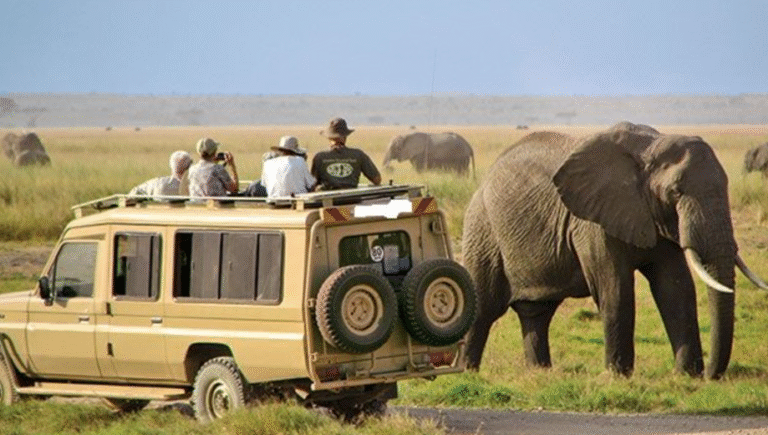
Road travel remains an important part of the Tanzania safari experience. In fact, most travelers who choose an overland safari use a 4×4 safari vehicle with an experienced driver-guide. However, the route and travel time depend on the starting point and the specific Serengeti region you are visiting.
A road safari has an important advantage: the journey can become part of the safari itself.
Instead of traveling directly from Arusha to your lodge, your itinerary may include other wildlife destinations along the way. This can make the trip more varied and allow you to experience different landscapes before reaching the Serengeti. Road conditions can vary, and travel times should therefore be treated as estimates rather than fixed schedules.
How to Get to Serengeti from Kilimanjaro International Airport
Kilimanjaro International Airport is an important gateway for visitors traveling to northern Tanzania.
After landing, you can:
Option 1: Travel to Arusha
You can arrange a transfer to Arusha and begin your safari from there.
Option 2: Continue by safari flight
Depending on your itinerary and flight availability, you can connect onward toward a Serengeti airstrip.
Option 3: Start an overland safari
You can travel by safari vehicle and visit other northern Tanzania destinations before entering the Serengeti. The best arrangement depends on your international arrival time and the location of your first accommodation.
How to Get to Serengeti from Zanzibar
Zanzibar is frequently combined with a Tanzania safari because travelers can enjoy both a wildlife experience and a beach holiday. If you are already in Zanzibar, you can look for available regional or safari flights connecting the island with mainland Tanzania and safari destinations.
Your itinerary could be arranged as:
Zanzibar → Serengeti → Arusha/Kilimanjaro
or:
Arusha → Serengeti → Zanzibar
The exact flight route depends on current airline schedules and the season. If you are booking separate flights, leave enough time between connections and confirm baggage allowances in advance.
How to Get to Serengeti from Dar es Salaam
Dar es Salaam is another major Tanzanian gateway, although it is not as convenient for a northern Tanzania safari as starting in the Arusha/Kilimanjaro area. Travelers arriving in Dar es Salaam can continue north by domestic flight or arrange a longer itinerary through Tanzania. If the Serengeti is the main purpose of your trip, compare the time and cost of continuing from Dar es Salaam with flying directly toward the northern safari circuit.
How to Get to Serengeti from Mwanza
Mwanza can be useful for travelers approaching the Serengeti from the Lake Victoria side of Tanzania. Depending on your plans, travelers can use regional connections toward Serengeti airstrips or arrange an overland route. Ultimately, the most suitable option depends on your accommodation and the part of the park you plan to explore.
How to Get to Serengeti from Nairobi, Kenya
Nairobi is an important regional travel hub for East Africa. Travelers combining Kenya and Tanzania may visit destinations such as:
Nairobi → Maasai Mara → Serengeti
or plan a route in the opposite direction.
However, crossing from Kenya into Tanzania requires proper planning. Travelers should confirm current immigration requirements, border procedures, transportation arrangements, and whether their safari vehicle is permitted to cross the border. For travelers who prefer simplicity, flying between regional destinations may be easier than arranging an international border crossing by road.
Which Serengeti Airstrip Should You Choose?
Choosing an airstrip is not simply about finding the cheapest flight. You should first identify where your accommodation is located. For example, if your lodge is in Central Serengeti, an airstrip serving that region may be more convenient than one in the far north. Similarly, travelers staying in Northern Serengeti should choose an airstrip appropriate for that area.
Before booking a flight, ask your accommodation or safari operator:
- Which airstrip is closest to the lodge?
- How long is the transfer from the airstrip?
- Is the transfer included?
- How much luggage is permitted?
- Does the flight operate every day?
- Are there intermediate stops?
TANAPA advises travelers to arrange transfers with their lodge or operator when using regional airstrips.
Central Serengeti and Seronera
Central Serengeti is one of the most frequently visited areas of the park. Seronera is an important safari hub and is convenient for travelers staying in Central Serengeti. If your main interests include general wildlife viewing and exploring the central region, check flights serving Seronera when planning your itinerary.
Northern Serengeti
Northern Serengeti is particularly important for travelers interested in seasonal wildlife movements and the northern part of the Great Migration. Travelers staying near areas such as Kogatende should consider flights serving the northern airstrips rather than flying into a distant part of the park and spending several hours traveling overland.
Western Serengeti
The Western Corridor offers a different safari environment and is associated with seasonal movements of migrating animals. If your accommodation is in this region, check which airstrip is most convenient before purchasing a flight.
Southern Serengeti
The southern Serengeti and surrounding areas are particularly important during the calving season. Travelers visiting this region should choose transportation based on their lodge location and the season of their trip.
Should You Fly or Drive to the Serengeti?
There is no single option that suits every traveler.
Flying
Flying may be suitable if you:
- Have limited vacation time
- Want to reach the Serengeti quickly
- Are staying in a remote safari camp
- Want to reduce long road journeys
- Are combining several distant destinations
Driving
Road travel may be suitable if you:
- Want a traditional overland safari
- Have enough time for a longer itinerary
- Want to visit multiple national parks
- Want to see landscapes between destinations
- Prefer traveling with a private safari vehicle
Combining Both
You can also combine the two.
For example:
Arusha → Serengeti by road → Arusha by flight
This can provide both an overland safari experience and the convenience of a flight.
How Long Does It Take to Reach Serengeti?
Travel time varies considerably.
A flight from a regional Tanzanian airport can take considerably less time than an overland journey, but the actual flight duration depends on the route, number of stops, and destination airstrip.
Road journeys take longer and depend on:
- Starting location
- Road conditions
- Weather
- Safari stops
- Park gates
- Wildlife viewing
- Final accommodation
- Traffic outside the park
For this reason, it is better to plan your itinerary around realistic travel windows rather than relying on one exact journey time.
Tanzania Visa and Entry Requirements
International travelers should check Tanzania’s current immigration requirements before traveling. Tanzania Immigration currently provides an official online visa application system. Its guidance states that visa requirements depend on nationality and visa category, and some nationalities are exempt while others need a visa. The current Tanzania eVisa terms state that applicants should have a passport valid for at least six months and with at least one unused visa page. Tanzania Immigration also advises travelers to use its official visa system rather than unofficial websites. Because visa rules can change, check the official immigration information applicable to your nationality before booking your trip.
What Documents Should You Carry?
Before traveling to Tanzania, keep important documents accessible, including:
- Valid passport
- Tanzania visa or applicable entry authorization
- Flight tickets
- Accommodation confirmations
- Safari booking details
- Travel insurance documents
- Emergency contact information
- Copies of important documents
Tanzania’s current immigration guidance also states that visitors must show a return ticket upon arrival.
What About Baggage on Serengeti Flights?
Small safari aircraft often have stricter baggage limitations than international airlines.
Before booking your domestic flight, check:
- Maximum baggage weight
- Whether soft-sided luggage is required
- Hand-luggage limits
- Restrictions on oversized bags
- Whether excess baggage can be stored in Arusha
Your safari operator or airline should provide the current baggage rules for your specific flight. This is particularly important because arriving at the international airport with a large suitcase does not necessarily mean you can take the same luggage on a small safari aircraft.
How Are Transfers Handled After Landing?
After arriving at a Serengeti airstrip, travelers generally continue to their lodge or camp by safari vehicle. The transfer distance depends on the airstrip and accommodation. In many safari itineraries, the lodge or tour operator arranges the transfer, but you should confirm this before traveling.
Ask your operator:
“Who will meet me at the airstrip, and how will I reach my lodge?” Knowing this in advance can prevent confusion after landing at a remote airstrip.
Can You Drive Yourself to the Serengeti?
Self-driving is possible in Tanzania, but the Serengeti is a remote wilderness area and requires careful preparation.
Visitors choosing to drive themselves need to understand:
- Park regulations
- Entry procedures
- Road conditions
- Navigation
- Fuel planning
- Wildlife safety
- Vehicle requirements
- Accommodation locations
For many international visitors, traveling with a licensed safari operator and experienced guide provides a more straightforward way to manage transportation and wildlife viewing. TANAPA’s visitor information specifically directs travelers toward road trips with licensed tour operators as one of the ways to access Tanzania’s parks.
Best Time to Travel to Serengeti
The best time to travel depends on what you want to experience.
Dry season: The dry season is popular for general wildlife viewing because animals can become easier to locate around water sources.
Calving season: The calving season is important for travelers interested in newborn wildebeest and predator activity.
Great Migration: The Great Migration moves continuously through the wider Serengeti ecosystem rather than following one fixed location throughout the year. Therefore, travelers interested in migration should choose their travel dates according to the region and migration stage they want to see. Transportation should be planned around your intended destination within the park rather than simply selecting “Serengeti” as a single location.
The calving season is important for travelers interested in newborn wildebeest and predator activity. The Great Migration moves continuously through the wider Serengeti ecosystem rather than following one fixed location throughout the year. Therefore, travelers interested in migration should choose their travel dates according to the region and migration stage they want to see. Transportation should be planned around your intended destination within the park rather than simply selecting “Serengeti” as a single location.
How to Plan Your Serengeti Journey Step by Step
A simple planning process can make the journey much easier. Understanding how to get to Serengeti National Park becomes much easier when you plan your international arrival, domestic transportation, accommodation, and Serengeti region together.
Step 1: Choose Your Serengeti Region
Decide whether you want to visit Central, Northern, Western, or Southern Serengeti.
Step 2: Choose Your Accommodation
Your lodge or camp location will help determine which airstrip or road route makes sense.
Step 3: Select Your International Gateway
For northern Tanzania, compare available international flights into Kilimanjaro International Airport and other suitable gateways.
Step 4: Decide Between Road and Air
Consider your time, budget, itinerary, and preferred travel experience.
Step 5: Check Domestic Flight Options
If flying, confirm the current route, departure time, destination airstrip, baggage allowance, and transfer arrangements.
Step 6: Check Tanzania Entry Requirements
Review the latest official visa and immigration requirements for your nationality.
Step 7: Confirm Transfers
Make sure you know who will collect you from the airport or airstrip.
Step 8: Confirm Your Safari Details
Keep your accommodation, safari, transportation, and emergency contact information together.
Useful Tips for Getting to Serengeti National Park
A few simple preparations can make the journey easier:
- Book international flights before arranging connecting flights.
- Allow sufficient connection time between separate tickets.
- Confirm your Serengeti airstrip before booking accommodation transfers.
- Check baggage restrictions for small safari aircraft.
- Keep important travel documents accessible.
- Confirm whether airport and airstrip transfers are included.
- Check the latest Tanzania visa requirements.
- Use licensed safari operators for organized road travel.
- Avoid planning extremely tight connections.
- Check seasonal flight schedules before finalizing your itinerary.
- Choose your Serengeti region based on your safari interests.
- Keep some flexibility because safari transportation can be affected by weather and operational changes.
- Pack lightweight clothing, sunscreen, and insect repellent.
- Precautions: Bring anti-malaria medication and basic first aid supplies.
- Make sure your travel operator arranges park permits.
- The local currency, Tanzanian Shillings (TZS), is extensively utilized.
- Connectivity: Wi-Fi is available in lodges but limited elsewhere.
Planning a Travel!
A reliable travel backpack should do more than simply hold your belongings. For frequent travelers, useful organization, comfortable access, laptop protection, flexible capacity, and durable materials can make a significant difference during a trip. The Thule Aion Backpack is designed for both everyday use and travel. The collection includes a 28L backpack that expands to 32L and a larger 40L travel backpack. Both models combine organized storage with dedicated space for electronics and travel essentials.
Affiliate Disclosure: As an Amazon Associate we earn from qualifying purchases.
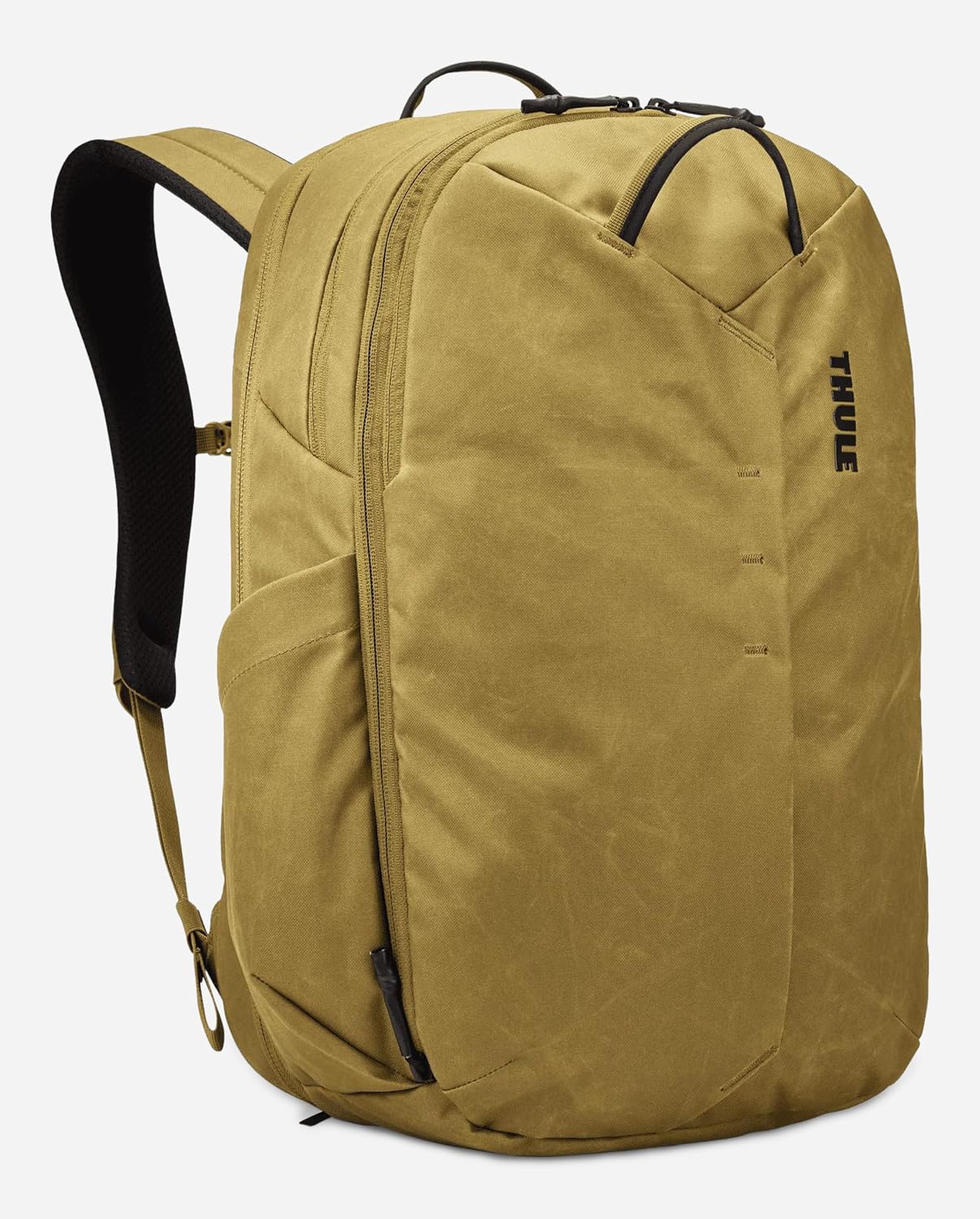
Thule Aion Backpack
- Size: 28L, 40L
- 100% Polyester
- Expands from a 28L daypack to a 32L travel backpack for 15% more packable space
- Imported
- The easy-to-clean TPU divider keeps items organized and prevents odor, moisture, and dirt from spreading to the rest of the bag, it also tucks away when not in use
Final Suggestion
Knowing the best options for how to get to Serengeti National Park is an important part of planning a Tanzania safari. Because the Serengeti is enormous, the most suitable route depends on your starting point, travel dates, accommodation, budget, and the part of the park you want to explore. International visitors can usually begin by reaching Tanzania through an appropriate international gateway and then continue toward the northern safari circuit. From there, travelers can choose between road travel and flights to Serengeti airstrips.
Road travel provides an opportunity to combine the Serengeti with other northern Tanzania destinations, while flying can reduce the time spent on long overland journeys. For travelers staying in remote areas, selecting the closest suitable airstrip can also make a significant difference. The key is to plan the journey around your specific Serengeti region and accommodation, rather than treating the entire park as one easily accessible destination. Check current flight schedules, baggage rules, park information, and Tanzania’s official immigration requirements before departure. TANAPA provides current park and access information, while Tanzania Immigration provides the official visa information and online application system.