
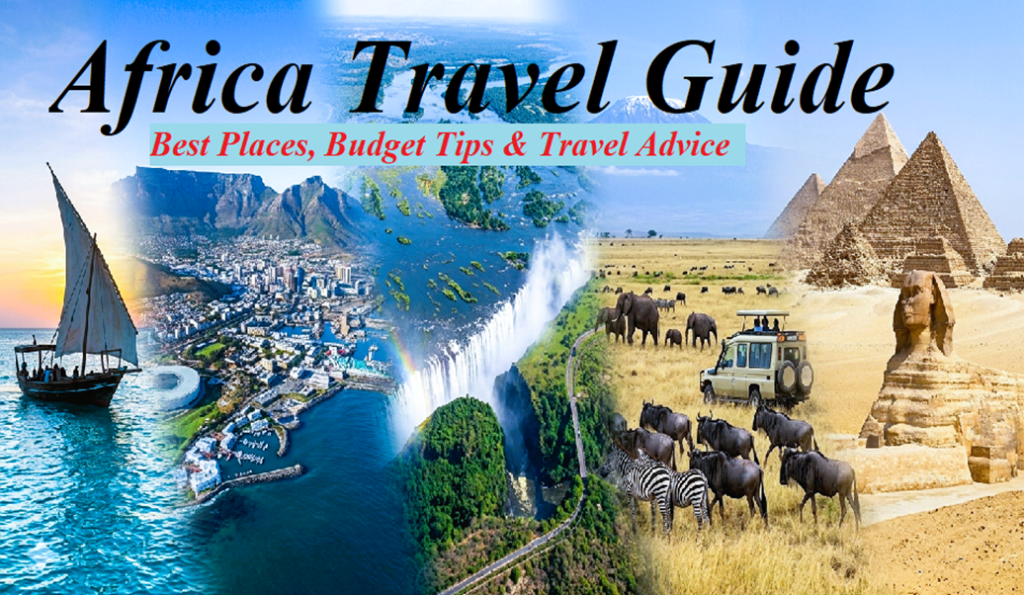
Africa is one of the world’s most diverse travel destinations, offering vast savannas, dramatic deserts, tropical forests, mountains, beaches, historic cities, and rich cultural traditions. For many travelers, however, an African safari remains one of the continent’s most memorable experiences. An Africa travel guide can help travelers understand the wide range of destinations, travel styles, costs, and experiences available across the continent.
An African safari can take many forms. Travelers can choose a budget camping safari, a comfortable mid-range lodge safari, a luxury safari, a private wildlife journey, or a shared group adventure. Some itineraries focus on game drives, while others combine wildlife with cultural experiences, walking safaris, boat trips, hot-air balloon flights, or beach holidays. This Africa Safari Cost Guide 2026 explains where African safaris take place, when to visit, how to travel between destinations, what types of safaris are available, what accommodation you can expect, what activities you can enjoy, and what may be included in a safari package.
Most importantly, this guide explains the factors that influence the African safari cost, including accommodation, transportation, season, park fees, activities, group size, and safari style.
Why Travel to Africa in 2026?
Africa offers travelers the opportunity to combine wildlife, nature, culture, adventure, beaches, and history in one continent. An Africa travel guide can be particularly useful for first-time visitors because destinations across Africa differ considerably in climate, wildlife, transportation, accommodation, and tourism infrastructure. Safari destinations allow visitors to observe animals in natural habitats, while cultural experiences provide opportunities to learn about local communities, traditions, food, music, and heritage.
Travelers can also combine different experiences. For example, a wildlife safari can be followed by a beach stay in Zanzibar, a city visits in Cape Town, or a cultural trip in Morocco. The original Africa travel guide identifies wildlife, cultural traditions, desert landscapes, beaches, and modern cities as major reasons to explore the continent.
Overview of Africa’s 5 Regions
Africa consists of 54 countries, and its five broad geographic regions provide very different travel experiences. An Africa travel guide covering the entire continent should therefore consider regional differences rather than treating Africa as a single travel destination.
North Africa
North Africa combines desert landscapes, historic sites, Mediterranean coastlines, markets, architecture, and diverse cultures. Egypt, Morocco, and Tunisia are among the region’s major tourist destinations.
East Africa
East Africa is strongly associated with wildlife safaris, the Great Migration, the Big Five, gorilla trekking, Mount Kilimanjaro, and Indian Ocean beaches.
Southern Africa
Southern Africa combines wildlife with cities, wine regions, waterfalls, deserts, and wilderness areas. South Africa, Botswana, Namibia, Zambia, and Zimbabwe are important destinations.
West Africa
West Africa is particularly known for cultural heritage, music, art, markets, cuisine, and historic sites.
Central Africa
Central Africa offers rainforests, wildlife, gorilla experiences, and more remote travel opportunities. Travelers should prepare carefully because tourism infrastructure can differ considerably between destinations.
Best Countries to Visit in Africa
The right African country depends on your travel interests rather than one universal destination. An Africa travel guide can help travelers compare destinations according to wildlife, culture, beaches, landscapes, adventure activities, and available infrastructure.
Kenya
Kenya offers classic safari experiences, including the Maasai Mara, and is closely associated with the Great Migration.
Tanzania
Tanzania combines major wildlife destinations such as the Serengeti and Ngorongoro with Zanzibar’s beaches.
South Africa
South Africa allows travelers to combine wildlife with cities, beaches, scenery, and other attractions.
Botswana
Botswana is known for wilderness destinations including the Okavango Delta and Chobe National Park.
Namibia
Namibia combines wildlife with dramatic desert and landscape photography opportunities.
Uganda and Rwanda
These countries are particularly associated with gorilla trekking, forest environments, and wildlife experiences.
Zambia and Zimbabwe
These destinations offer national parks, walking safaris, river experiences, wildlife, and Victoria Falls-related itineraries.
African Safari Guide: Everything You Need to Know
A safari is often the main reason travelers consult an Africa travel guide. However, safari styles vary widely.
Where Are the African Safaris?
African safaris take place across several regions of the continent, with East and Southern Africa offering many of the most established safari destinations. Kenya and Tanzania are well known for classic wildlife safaris, while South Africa, Botswana, Namibia, Zambia, and Zimbabwe offer a variety of national parks, private reserves, and wilderness areas. Uganda and Rwanda are particularly known for gorilla trekking and other wildlife experiences.
Major safari destinations include:
- Kenya: Maasai Mara, Amboseli, Tsavo, and Samburu
- Tanzania: Serengeti, Ngorongoro Conservation Area, Tarangire, and Ruaha
- South Africa: Kruger National Park and private game reserves
- Botswana: Okavango Delta and Chobe National Park
- Namibia: Etosha National Park and other wildlife areas
- Uganda: Bwindi and Queen Elizabeth National Park
- Rwanda: Volcanoes National Park and Akagera National Park
- Zambia: South Luangwa and Lower Zambezi
- Zimbabwe: Hwange National Park and Mana Pools
The best destination depends on the type of safari you want, the wildlife you hope to see, the season, your preferred accommodation, and your travel budget.
African Safari Guide: Everything You Need to Know
An African safari can include much more than a traditional game drive. Travelers can choose from different safari styles, accommodation types, transportation options, and wildlife activities. A safari may focus on the Big Five, the Great Migration, photography, family travel, cultural experiences, or a combination of wildlife and relaxation. The original article already introduces the safari section and explains that safari styles vary widely. It currently lists classic game drives, walking safaris, boat safaris, and luxury fly-in safaris.
For the expanded guide, this section should introduce the major safari choices before moving into the detailed subsections:
- Budget safari
- Mid-range safari
- Luxury safari
- Private safari
- Group or shared safari
- Family safari
- Solo safari
- Fly-in safari
- Road safari
It should also explain the Big Five—lion, leopard, elephant, rhino, and buffalo—because wildlife viewing remains one of the main reasons travelers choose an African safari.
Types of Safaris
Budget Safari
Budget safaris generally focus on practical accommodation, shared transportation, camping, and essential wildlife activities. They can help travelers control accommodation and transportation costs while still providing access to wildlife areas.
Mid-Range Safari
Mid-range safaris generally use comfortable lodges, tented camps, or hotels and may combine shared or private game drives. This style provides a balance between comfort and overall trip expenditure.
Luxury Safari
Luxury safaris generally use high-end lodges, luxury tented camps, private suites, premium services, and carefully arranged transfers. Luxury packages may also include selected meals, beverages, activities, and guides.
Private Safari
A private safari gives a traveler, couple, family, or private group a dedicated vehicle or guide. The cost per traveler can increase when fewer people share the vehicle and guide.
Group or Shared Safari
A shared safari allows several travelers to share a vehicle and guide. Sharing transportation can reduce the cost per traveler.
Family Safari
Family safaris can include family-friendly accommodation, shorter drives, flexible schedules, and activities suitable for children. Parents should confirm age restrictions for walking safaris, boat activities, and other excursions before booking.
Solo Safari
Solo travelers can choose shared group safaris to reduce transportation costs or select a private itinerary for greater flexibility. Single supplements may apply at some lodges and camps.
Fly-In Safari
Fly-in safaris use scheduled or chartered aircraft to connect safari destinations and remote airstrips. They can reduce long road transfers and allow travelers to visit several wildlife areas during a shorter trip.
Road Safari
Road safaris use safari vehicles to travel between parks, reserves, lodges, and camps. They can provide scenic views and allow travelers to experience more of the landscape between destinations.
Best Time to Visit Africa
An Africa travel guide should emphasize that Africa does not have one universal safari season. Weather patterns vary between countries and regions. For many East and Southern African safari destinations, the dry season from approximately June to October can provide favorable wildlife-viewing conditions. Animals may become easier to locate around water sources, while vegetation can become less dense. The green season can also provide valuable safari experiences. Landscapes become greener, bird activity can increase, and some areas experience periods of animal births.
Travelers should consider:
- Wildlife movements
- Rainfall
- Road conditions
- Temperature
- Migration patterns
- Accommodation availability
- Seasonal pricing
- Personal travel preferences
How to Get to African Safari Destinations
Most international travelers begin with a flight to a major African gateway city.Depending on the itinerary, gateways may include:
- Nairobi
- Dar es Salaam
- Arusha
- Johannesburg
- Cape Town
- Maun
- Lusaka
- Livingstone
- Kigali
- Entebbe
- Windhoek
From the gateway city, travelers may continue by domestic flight, safari vehicle, scheduled transfer, or charter flight. Remote safari areas often use small airstrips. Fly-in safaris can connect travelers directly with camps and lodges, while road safaris can take travelers between parks and accommodation. Always confirm baggage restrictions on small aircraft because safari flights may have different luggage rules from international airlines.
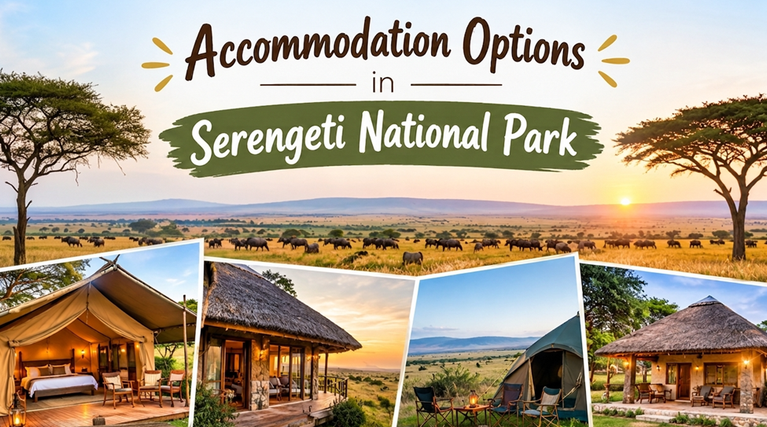
Accommodation Options
An Africa travel guide should also explain the wide range of accommodation available across safari destinations, from simple campsites to high-end private lodges.
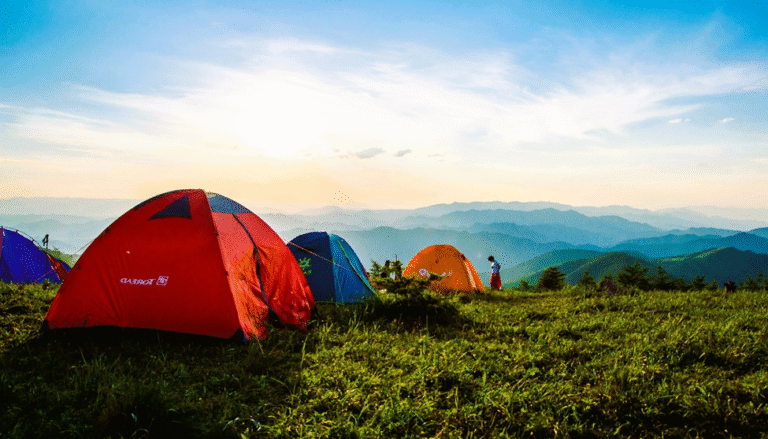
Budget Campsites
Budget travelers may stay at public or private campsites and use shared facilities.
Budget Lodges
Budget lodges provide basic private rooms and essential services.
Mid-Range Lodges and Tented Camps
These properties generally provide comfortable rooms or tents, private bathrooms, meals, and organized safari activities.
Luxury Lodges
Luxury lodges may provide private suites, premium dining, pools, spa services, private decks, and personalized service.
Mobile and Seasonal Camps
Mobile camps can follow wildlife movements or operate during particular seasons.
Private Villas and Safari Houses
Private-use villas can suit families and groups seeking privacy and dedicated facilities. The accommodation category is one of the major factors affecting the overall safari budget.
Game Drives
Game drives are among the most common African safari activities.
A typical day may include:
- Early-morning game drive
- Breakfast at camp or lodge
- Rest during the hottest part of the day
- Afternoon game drive
- Sunset or evening activity were permitted
Some destinations also offer full-day drives. Private vehicles can provide greater flexibility, while shared vehicles can reduce the cost per traveler. Visitors should always follow the guide’s instructions and maintain a safe distance from wildlife.
12. Great Migration
The Great Migration is one of East Africa’s best-known wildlife spectacles. Large numbers of wildebeest and other grazing animals move through the Serengeti-Maasai Mara ecosystem during their annual cycle. The experience changes throughout the year. Travelers may plan around:
- Calving periods
- Movement through the Serengeti
- Movement toward the Maasai Mara
- River-crossing periods
- Predator activity
Because wildlife movement depends on environmental conditions, exact locations and dates can vary from year to year.
Wildlife You Can See on an African Safari
The animals you see depend on the destination, habitat, season, weather, and guide.
Common safari wildlife includes:
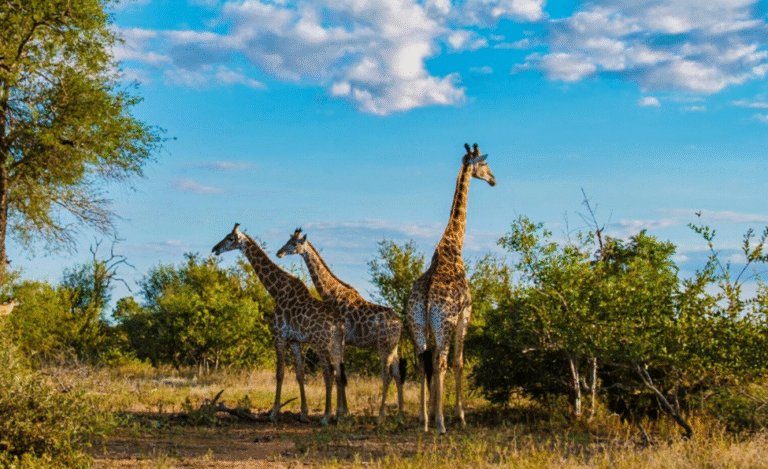
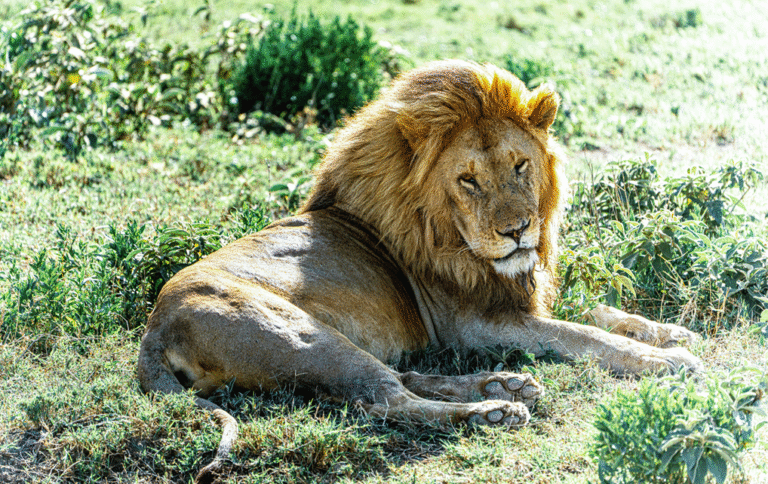
- Lions
- Leopards
- Elephants
- Rhinos
- Buffalo
- Giraffes
- Zebras
- Wildebeest
- Cheetahs
- Hippos
- Crocodiles
- Hyenas
- Antelopes
- African wild dogs
- Monkeys and other primates
- Hundreds of bird species
The original guide notes that wildlife sightings depend on the park and that the Big Five are found across many African wildlife destinations.
African Cultural Experiences
An Africa travel guide should cover cultural experiences alongside wildlife because Africa offers extensive cultural diversity. A safari can also include cultural experiences.
Travelers may have opportunities to:
- Visit local communities
- Learn about traditional lifestyles
- Explore local markets
- Experience traditional music and dance
- Learn about regional foods
- Visit heritage sites
- Participate in community-led tourism activities
Cultural experiences should be arranged respectfully and through responsible tourism providers. Africa’s cultural diversity is extensive, with thousands of languages and many different traditions across the continent.
Hot-Air Balloon Safari
A hot-air balloon safari offers an aerial view of the landscape and wildlife. These flights usually take place around sunrise and are weather dependent.
A typical experience may include:
- Early departure from the camp or lodge
- Safety briefing
- Sunrise balloon flight
- Wildlife viewing from above
- Landing
- Breakfast or refreshments after the flight
Balloon safaris are generally optional activities and may be charged separately from the main safari package.
Conservancies
Conservancies are important parts of several African wildlife destinations. In the Greater Maasai Mara ecosystem, the Maasai Mara Wildlife Conservancies Association currently coordinates a network of 24 conservancies and describes the conservancy model as a partnership between landowners and tourism partners. Conservancies can connect wildlife conservation with local economic opportunities.
Depending on the destination, conservancy-based safaris may offer:
- Wildlife viewing
- Smaller visitor numbers
- Walking experiences
- Night drives where permitted
- Cultural activities
- Community-based tourism
- Conservation-focused experiences
Travelers should check the specific rules and fees of the conservancy they plan to visit.
Other African Safari Activities
African safari destinations can offer many activities beyond conventional game drives.
These may include:
- Walking safaris
- Boat safaris
- Canoeing
- Mokoro excursions
- Fishing
- Birdwatching
- Photography
- Night drives
- Bush breakfasts
- Sundowners
- Nature walks
Availability depends on the country, park, season, camp, and local regulations. For example, Botswana’s official tourism organization lists safaris, mokoro rides, fishing, and 4×4 adventures among its experiences.
Best Beaches in Africa
Africa is also home to major beach destinations.
Popular options include:
- Zanzibar
- Seychelles
- Mauritius
- Mozambique
- Diani Beach in Kenya
A safari-and-beach itinerary can combine wildlife with relaxation. For example, travelers can combine a Kenya or Tanzania safari with Zanzibar or extend a South African trip with coastal experiences.
African Culture & Food
Food provides another way to experience African cultures.
Popular dishes vary by region and may include:
- Jollof rice in West Africa
- Tagine in North Africa
- Nyama choma in East Africa
- Bobotie in South Africa
Travelers can also explore local markets, cooking experiences, traditional restaurants, festivals, music, and cultural performances. Respect local customs and ask permission before photographing people, ceremonies, or culturally sensitive locations.
Packing Guide
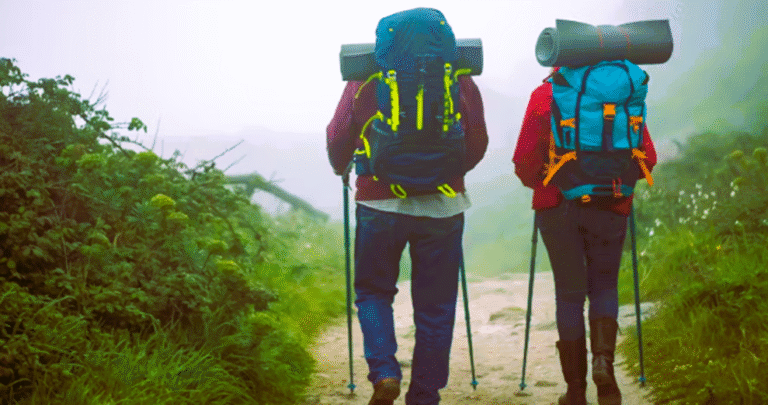
Packing for an African safari requires practical clothing and equipment.
Recommended Safari Items
- Lightweight, breathable clothing
- Neutral-colored clothing
- Comfortable walking shoes
- Hat or cap
- Sunglasses
- Sunscreen
- Insect repellent
- Binoculars
- Camera and spare batteries
- Universal travel adapter
- Reusable water bottle
- Small day bag
- Personal medications
- Travel documents
- Travel insurance information
Pack according to the destination and season. Cooler mornings and evenings may require additional layers even in generally warm safari regions.
Responsible Tourism and Conservation
Responsible tourism can help protect wildlife, natural habitats, and local communities. An Africa travel guide should encourage travelers to understand how their choices can affect wildlife, local communities, and conservation areas.
Travelers can contribute by:
- Following wildlife-viewing rules
- Keeping a safe distance from animals
- Never feeding wildlife
- Avoiding littering
- Reducing unnecessary plastic use
- Respecting local communities
- Following cultural guidelines
- Supporting legitimate community-based tourism
- Choosing responsible safari operators
- Following park and conservancy regulations
In the Maasai Mara, community conservancies are specifically connected with wildlife conservation and local livelihoods
How Long Should You Stay?
The ideal safari length depends on the destination and the number of parks you want to visit.
3–4 Days
Suitable for a short wildlife-focused trip.
5–7 Days
Allows travelers to explore one major wildlife area or combine two nearby destinations.
8–10 Days
Provides more time for multiple parks, different habitats, and additional activities.
10–14+ Days
Suitable for multi-country trips or itineraries combining safari, culture, and beaches. Longer trips also allow more flexibility if weather or wildlife conditions affect a particular game drive.
“Read our related Africa Travel Guides for more tips on wildlife, timing, and safari planning”
What Is Included in a Safari Package?
Safari packages vary considerably, so travelers should read the inclusions carefully.
A package may include:
- Accommodation
- Meals
- Game drives
- Safari vehicle
- Professional guide
- Park entry fees
- Conservancy fees
- Airport transfers
- Selected activities
- Local drinks
- Laundry
Not every package includes all these items. Some operators sell accommodation and activities together, while others price transportation, park fees, or special activities separately.
What Is Usually Not Included?
Common exclusions may include:
- International flights
- Visas
- Travel insurance
- Personal purchases
- Tips
- Premium beverages
- Spa treatments
- Optional excursions
- Some domestic flights
- Private vehicle supplements
- Certain Park or conservation fees
- Extra hotel nights
Always request a written quotation that clearly states both included and excluded costs.
Safety
Safety conditions vary by country, region, park, and season. An Africa travel guide can provide general safety planning information, but travelers should always check current official advice for each destination before departure.
Before traveling:
- Check current government travel advisories
- Research the specific destination
- Use established safari operators
- Follow your guide’s instructions
- Avoid political demonstrations
- Follow local laws
- Keep important documents secure
- Follow wildlife safety rules
- Take appropriate health precautions
The original guide also recommends researching individual countries, using reputable tour operators, avoiding demonstrations, and following local advice. Wildlife safety deserves particular attention. Never approach animals on foot unless accompanied by an authorized guide, and never leave a safari vehicle where the guide or park rules prohibit it.
Visa & Entry Requirements
Visa requirements depend on the country you visit and your nationality.
African countries may use:
- Visa-free entry
- Visa on arrival
- E-visa systems
- Advance visa applications
Some destinations also have vaccination or health-document requirements for particular travelers or routes. Always check the relevant government immigration or embassy website before departure because entry requirements can change. The original guide similarly advises travelers to check official embassy websites and notes that some destinations require yellow-fever vaccination documentation.
Estimated African Safari Cost
The African safari cost varies widely according to destination, accommodation, season, transportation, number of travelers, park fees, and activities. For travelers using an Africa travel guide to build a budget, the following broad planning ranges provide a starting point:
| Safari Style | Broad Planning Cost |
| Budget safari | $150–$300 per person/day |
| Mid-range safari | $350–$700 per person/day |
| Luxury safari | $800–$2,500+ per person/day |
These are broad Africa-wide planning figures, not guaranteed prices for every destination or operator.
Important Note About African Safari Prices
African safari prices can change frequently. When using an Africa travel guide for trip planning, remember that a quoted safari price may differ depending on:
- Travel dates
- High, shoulder, or low season
- Exchange rates
- Accommodation availability
- Number of travelers
- Room configuration
- Private or shared vehicle
- Park and conservancy charges
- Domestic flights
- Optional activities
- Meal plans
- Operator policies
A price shown on a travel website should therefore be treated as a planning reference unless the provider confirms that it is a current, bookable rate.
“Explore the best African places“
Before paying a deposit, ask the safari operator for a detailed quotation showing:
- Accommodation
- Number of nights
- Game drives
- Transportation
- Park fees
- Conservancy fees
- Meals
- Activities
- Taxes
- Exclusions
- Cancellation conditions
This approach makes it easier to compare safari packages on the same basis.
Africa Travel Cost & Budget Expectations
Safari costs form only one part of an African holiday budget.
Travelers may also need to budget for:
- International flights
- Domestic flights
- Hotels before and after the safari
- Food outside the safari package
- Visas
- Travel insurance
- Local transportation
- Tips
- Shopping
- Optional activities
The original guide gives broad non-safari planning figures of approximately $40–$80 per day for budget travel, $100–$250 for mid-range travel, and $400+ for luxury travel, while noting that flights can represent a major expense.
These figures should be treated as broad planning benchmarks rather than fixed 2026 prices.
Travel Plans
An Africa travel guide can help travelers combine safari experiences with beaches, cities, cultural destinations, and other attractions.
10-Day Safari + Beach
A sample itinerary could combine:
- 5 days of safari in Kenya
- 5 days in Zanzibar
This type of itinerary combines wildlife with beach relaxation.
Two Weeks in Southern Africa
A possible route could include:
Cape Town → Kruger → Victoria Falls
This combination provides cities, wildlife, scenery, and a major natural attraction.
Cultural Route
A culture-focused itinerary could combine:
Morocco → Ghana
The exact route should depend on flight schedules, visa requirements, seasonal conditions, and available time.
Essential Travel Tips
Before departure:
- Pack light
- Use neutral-colored clothing for safari
- Carry a universal adapter
- Purchase travel insurance
- Keep copies of important documents
- Respect local customs
- Carry small cash where appropriate
- Check baggage limits for safari flights
- Confirm all accommodation and transfer details
- Verify entry requirements before departure
- Keep emergency contact information available
The original guide similarly recommends light packing, neutral clothing, universal adapters, travel insurance, respect for local customs, and carrying small cash for tips.
Official African Information & Booking Sources
For reliable planning, use official tourism boards, government agencies, park authorities, and established safari operators. Official tourism websites are particularly useful for destination information, travel requirements, and current tourism guidance.
Kenya
Kenya Tourism Board:
Kenya Tourism Board official website
Magical Kenya — Official Destination Website:
Magical Kenya
Kenya’s Tourism Board is a state corporation established under the Tourism Act and is responsible for national tourism marketing and coordination.
Kenya National Tourism Service Portal:
Kenya National Tourism Service Portal
Maasai Mara
Maasai Mara Wildlife Conservancies Association:
Maasai Mara Wildlife Conservancies Association
The association provides information about the Greater Mara ecosystem and its conservancies, including current ecosystem resources and maps.
Tanzania
Tanzania Tourist Board:
Tanzania Tourist Board
South Africa
South African Tourism:
South African Tourism
South African Tourism provides destination information covering wildlife, travel experiences, accommodation, and other tourism products.
Botswana
Botswana Tourism Organization:
Botswana Tourism Organization
The Botswana Tourism Organization provides information about destinations, parks, accommodation, travel information, and activities such as safaris and mokoro excursions.
Namibia
Namibia Tourism Board / Visit Namibia:
Visit Namibia
The Namibia Tourism Board is the government agency responsible for promoting and coordinating tourism in Namibia.
Zambia
Zambia Tourism:
Zambia Tourism official website
The official site provides destination, wildlife, travel, and safari information, including information about national parks and transportation.
Rwanda
Visit Rwanda:
Visit Rwanda
The Visit Rwanda platform provides official travel information about national parks, accommodation, experiences, and tourism activities. Its travel app is identified as the official travel app of the Rwanda Development Board.
Safari Agencies and Operators
Travelers who want a complete itinerary can also contact established safari agencies or destination management companies. These companies can help arrange:
- Safari itineraries
- Accommodation
- Private or shared vehicles
- Domestic flights
- Airport transfers
- Guides
- Activities
- Park and conservancy arrangements
For example, destination management companies may specialize in arranging multi-country African itineraries. However, private operators are not the same as official government tourism authorities, so travelers should verify their credentials, terms, inclusions, cancellation policy, and current prices before booking.
| Agency / Operator | What they arrange | Website |
| Safari.com | Tailor-made safaris across Southern and East Africa, including Kenya, Tanzania, South Africa, Botswana, Zambia and Rwanda. | Safari.com |
| Discover Africa Safaris | Customised luxury safaris, with planners arranging accommodation, activities, transfers and complete itineraries. | Discover Africa Safaris |
| African Safari Group | Bespoke luxury safaris across Southern and East Africa, including the Maasai Mara, Serengeti, Okavango Delta and Kruger. | African Safari Group |
| Safari Africa Travel | Tailor-made wildlife tours, Big Five safaris, family trips, honeymoon safaris and multi-country journeys. | Safari Africa Travel |
| Africa Explore Safaris | Private, luxury, custom-designed safaris across Southern and East Africa. | Africa Explore Safaris |
| Saringi Tours & Travel | Custom-made luxury safaris based in Nairobi, covering Kenya, Tanzania, Uganda, Rwanda and several Southern African destinations. | Saringi Tours & Travel |
Final Thoughts
Africa offers an enormous variety of travel experiences, from wildlife safaris and mountain landscapes to beaches, deserts, cultural attractions, and vibrant cities. The right safari depends on your destination, travel dates, accommodation preferences, group size, transportation, activities, and budget. A well-planned safari should look beyond the advertised daily rate. Travelers should compare what each package actually includes, particularly accommodation, meals, game drives, park fees, conservancy fees, transportation, domestic flights, and optional activities. The can vary considerably, so checking current prices directly with official authorities, accommodation providers, airlines, and reputable safari operators remains an important part of planning. An Africa travel guide can help organize these considerations into a practical starting point, but travelers should confirm current prices, regulations, entry requirements, and availability with the relevant official sources and service providers before booking.

3 Comments