
Africa offers an incredible variety of travel experiences, from historic cities and ancient cultural sites to tropical beaches, dramatic mountains, vast deserts, forests, and diverse wildlife. Moreover, with more than 50 countries, each destination has its own landscapes, traditions, transportation systems, food, climate, and travel requirements. Therefore, good planning can make your trip easier, safer, and more enjoyable. These Africa Travel Tips cover the practical information you need before and during your journey, including destinations, seasons, visas, safety, health, money, transportation, accommodation, food, connectivity, culture, wildlife, and different travel styles. By following these Africa Travel Tips, you can prepare more confidently and create a smoother travel experience. Whether you are planning a first trip to Africa, a family holiday, a backpacking adventure, a luxury vacation, or a cultural journey, understanding the basics will help you create an itinerary that matches your interests and budget.
Why Africa Travel Tips Are Essential
Africa is not a single travel destination. Each country offers a different experience, and conditions can vary significantly between regions. Understanding local requirements before you travel can help you avoid unnecessary problems. These Africa Travel Tips are particularly useful for travelers who need to plan transportation, accommodation, entry requirements, budgets, health precautions, and activities in advance. Planning also helps you choose realistic travel times. Distances between destinations can be greater than expected, while some routes may require domestic flights, regional connections, ferries, trains, or long road journeys.
Researching your destination before departure also allows you to understand local customs and make more responsible travel decisions.
How to Choose the Right African Destination
Choosing the right destination depends on the type of experience you want. Instead of selecting a country only because it is popular, consider its attractions, climate, activities, transportation, budget, and travel requirements.
History and Ancient Civilizations
Travelers interested in history can explore ancient sites, archaeological attractions, historic cities, museums, and cultural landmarks. Egypt offers famous ancient monuments and archaeological sites, while countries such as Morocco, Tunisia, Ethiopia, Ghana, Senegal, and South Africa provide different historical and cultural experiences.
Cities and Urban Experiences
Africa has many vibrant cities with modern restaurants, markets, museums, nightlife, art scenes, shopping districts, and historic neighborhoods. For example, popular city experiences include Cape Town, Johannesburg, Nairobi, Marrakech, Cairo, Accra, Dakar, Kigali, Zanzibar City, and Lagos. In addition, when applying Africa Travel Tips to city travel, research neighborhoods, local transportation, payment methods, and appropriate times to visit major attractions. As a result, you can explore African cities more comfortably while making the most of your trip.
Beaches and Islands
Africa offers beaches along both the Atlantic and Indian Ocean coasts. You can consider destinations such as Zanzibar, Mauritius, Seychelles, Kenya’s coast, Mozambique, Cape Verde, Senegal, South Africa, and Tanzania’s mainland coast. Beach destinations can work well for relaxing holidays, romantic trips, family vacations, diving, snorkeling, and water sports.
Mountains and Hiking
Travelers who enjoy hiking can explore spectacular mountain landscapes across the continent. For example, popular options include Mount Kilimanjaro in Tanzania, the Atlas Mountains in Morocco, the Rwenzori Mountains in Uganda, the Drakensberg in South Africa, and the Ethiopian Highlands. Before starting a mountain trip, always check altitude, weather conditions, trail conditions, permit requirements, guide availability, and fitness requirements. Additionally, following practical Africa Travel Tips can help you prepare properly for a safe and enjoyable hiking experience.
Deserts and Unique Landscapes
Africa’s deserts offer some of the continent’s most distinctive scenery. The Sahara stretches across North Africa, while Namibia offers spectacular desert landscapes around destinations such as Sossusvlei. Botswana and parts of South Africa also provide unique dryland environments.
Wildlife and Nature
Wildlife remains one of Africa’s most popular travel experiences, but it is only one part of the continent’s tourism appeal. Travelers can enjoy safaris, rainforest excursions, birdwatching, marine activities, nature walks, primate experiences, and conservation-focused tourism.
Food and Culture
Food can become an important part of an African journey. Local cuisines vary widely between regions, with dishes influenced by Indigenous traditions, Arab and European history, Indian Ocean trade, and modern urban culture. Try local dishes where appropriate, visit food markets, and learn basic dining customs before traveling.
Best Time to Visit Africa
There is no single best time to visit the entire continent because Africa covers several climate zones.
North Africa
North African destinations often have hot summers and milder winters. Therefore, spring and autumn can provide comfortable conditions for sightseeing in many areas.
East Africa
Countries such as Kenya, Tanzania, Uganda, and Rwanda have varied climates depending on altitude and location. Dry periods often provide favorable conditions for outdoor activities, while rainy seasons can bring greener landscapes and fewer visitors.
Southern Africa
Countries such as Kenya, Tanzania, Uganda, and Rwanda have varied climates depending on altitude and location. Dry periods often provide favorable conditions for outdoor activities, while rainy seasons can bring greener landscapes and fewer visitors. Countries such as South Africa, Botswana, Namibia, Zambia, and Zimbabwe experience seasonal changes that affect wildlife viewing, hiking, landscapes, and outdoor activities.
West Africa
West African destinations experience tropical climates with wet and dry seasons. Weather conditions can influence road travel, sightseeing, and coastal activities.
Islands and Coastal Destinations
Island and beach destinations have their own seasonal patterns. Before booking, check rainfall, humidity, sea conditions, temperatures, and cyclone risks where applicable. One of the most important Africa Travel Tips is to check the climate of each specific destination instead of assuming that the entire continent experiences the same weather.
Visa and Entry Requirements
Visa requirements depend on your nationality and destination. Some African countries offer visa-free entry to certain nationalities, while others require an electronic visa, visa on arrival, or embassy application.
Before booking flights, check:
- Passport validity
- Blank passport pages
- Visa requirements
- Visa fees
- Processing times
- Return or onward-ticket requirements
- Proof of accommodation
- Travel insurance requirements
- Vaccination or health documentation
- Entry and exit rules
Requirements can change, so always verify the latest information through the destination country’s official immigration or embassy sources.
Safety Tips for Africa Travel
Africa contains many safe and well-established tourist destinations, but safety conditions differ between countries, cities, and regions. Following practical Africa Travel Tips can help you prepare for your journey, but you should also research your specific destination before traveling and follow local guidance.
Stay Aware of Your Surroundings
Keep valuables secure and avoid displaying expensive electronics or large amounts of cash unnecessarily. In addition, in busy areas, remain aware of your belongings and use reputable transportation services. Following these Africa Travel Tips can help you protect your valuables and travel more confidently.
Follow Local Advice
Hotels, licensed guides, tour operators, and local authorities can provide useful information about areas to avoid and current conditions.
Be Careful with Night Travel
Avoid unfamiliar areas at night, particularly when traveling alone. Use reliable transportation and confirm your destination before leaving.
Protect Your Documents
Keep copies of your passport, visa, insurance information, and important bookings. Store digital copies securely so you can access them if the originals are lost. These Africa Travel Tips can help you prepare for common travel situations, but travelers should always research the specific safety conditions of their chosen destination.
Health, Vaccinations & Travel Insurance
Health preparation should form an important part of your travel planning. For example, depending on your destination, you may need routine vaccinations, destination-specific vaccines, prescription medicines, insect protection, or other health precautions. Therefore, speak with a qualified healthcare professional or travel clinic before departure, especially if you plan to visit remote areas. Additionally, following practical Africa Travel Tips can help you prepare for destination-specific health requirements before your journey.
Travel Insurance
Travel insurance can help protect you against unexpected expenses related to:
- Medical treatment
- Emergency evacuation
- Trip cancellation
- Lost baggage
- Delayed transportation
- Travel interruptions
Check the policy carefully to understand what it covers and whether adventure activities, medical evacuation, or pre-existing conditions require additional coverage.
Money, Currency & Budget Tips
African countries use different currencies, so do not assume that one currency works throughout the continent.
Before traveling, research:
- Local currency
- Card acceptance
- ATM availability
- Currency exchange options
- Cash requirements
- Bank fees
- Tipping customs
Keep some local currency available for smaller businesses, transportation, markets, tips, and locations where cards may not work.
Plan Your Daily Budget
Your total costs can include:
- Flights
- Accommodation
- Transportation
- Food
- Entrance fees
- Tours and activities
- Travel insurance
- Visas
- SIM cards or eSIMs
- Shopping
- Tips
One of the most useful Africa Travel Tips is to create a destination-specific budget because prices can vary substantially between countries and between budget, mid-range, and luxury travel.
Packing Essentials for Africa Travel: Essential Africa Travel Tips
Your packing list should depend on your destination, season, activities, and travel style.
Basic Essentials
Consider packing:
- Lightweight clothing
- Comfortable walking shoes
- A light jacket or warm layer
- Sun protection
- Sunglasses
- Hat
- Reusable water bottle
- Personal medicines
- Travel documents
- Phone and charging equipment
- Universal travel adapter
- Small daypack
For Outdoor and Nature Trips
If you plan to hike, camp, visit forests, or spend time in nature, consider suitable footwear, weather-resistant clothing, insect protection, and appropriate outdoor equipment.
Keep Luggage Practical
Avoid overpacking, especially if your itinerary includes domestic flights with strict baggage limits. Following practical Africa Travel Tips can help you pack only the essentials while keeping your luggage manageable throughout your trip.
Transportation Tips
Transportation varies widely across Africa.
International Flights
Major international gateways include cities such as Johannesburg, Nairobi, Addis Ababa, Cairo, Casablanca, Cape Town, Accra, and Lagos. Compare flight routes carefully because the cheapest ticket may involve long layovers or additional regional connections.
Domestic Flights
Flights can save significant time when traveling between distant destinations. Check baggage allowances before booking, particularly when connecting to smaller aircraft.
Trains
Several African countries offer useful rail services. Depending on the destination, trains can provide an alternative to flights or long road journeys.
Buses
Buses and coaches can provide affordable transportation between cities and towns. However, travel time and comfort can vary considerably by route. Therefore, one of the useful Africa Travel Tips is to research the route, departure schedules, operator reputation, and expected travel time before booking.
Taxis and Ride-Hailing
Use reputable taxi companies or established ride-hailing services where available. Confirm prices and destinations before starting a journey when required.
Road Trips
Road trips can provide greater flexibility, but travelers should research road conditions, driving rules, fuel availability, border crossings, and insurance requirements.
Accommodation Tips: Africa Travel Tips for Choosing the Right Stay
Africa offers accommodation for almost every travel style and budget.
Hostels and Guesthouses
These options can work well for backpackers and budget travelers.
Hotels and Boutique Properties
Cities and major tourist destinations offer a wide range of hotels, guesthouses, and boutique properties.
Beach Resorts
Coastal destinations provide everything from affordable beach hotels to high-end resorts and private villas.
Mountain and Nature Lodges
These properties can provide convenient access to hiking areas, forests, lakes, and other natural attractions.
Safari Lodges and Camps
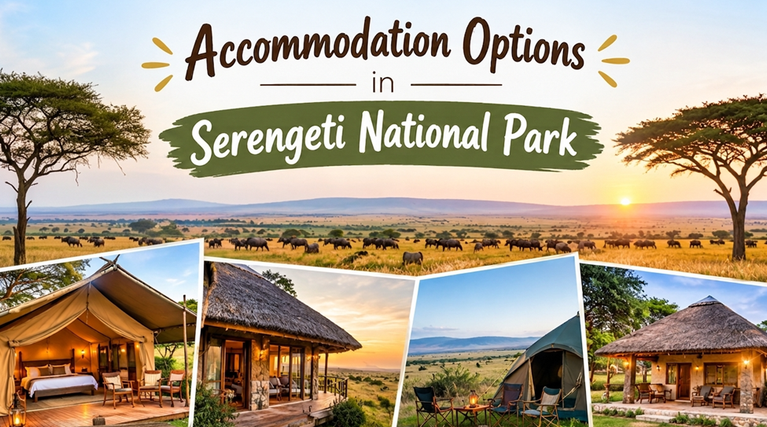
Safari accommodation ranges from basic campsites to luxury lodges and tented camps. However, safari accommodation should be selected according to the specific wildlife destination and itinerary. When comparing accommodation, check location, transportation access, meals, cancellation conditions, included activities, and additional charges.
Food and Water Safety
Trying local food is one of the best ways to experience African destinations. In addition, following practical Africa Travel Tips can help you enjoy local cuisine while making informed choices about food hygiene and dining practices. Furthermore, popular dishes and culinary traditions vary significantly between regions. For example, you may encounter grilled meats, stews, rice dishes, flatbreads, seafood, vegetables, fruit, and locally prepared street foods.
Food Safety
Choose busy food establishments where food has a high turnover. Make sure cooked food is properly prepared and served hot.
Drinking Water
Water safety differs between destinations. In some locations, travelers may need bottled, filtered, or properly treated water. When uncertain, ask your accommodation provider or local travel professional about safe drinking-water options.
Internet, SIM Cards & Connectivity
Internet access varies between countries and between urban and remote areas.
You can usually choose from:
- Local SIM cards
- eSIMs
- International roaming
- Hotel Wi-Fi
- Portable hotspots
A local SIM or eSIM can be useful if you need maps, transportation apps, messaging, or online bookings. Before purchasing a SIM, check whether your phone is unlocked and compatible with local networks. Download offline maps, booking confirmations, important documents, and translation resources before visiting areas with limited connectivity.
Cultural Etiquette & Responsible Travel
Respecting local cultures can make your trip more meaningful and help you build positive connections with local communities. Therefore, one of the most important Africa Travel Tips is to research appropriate clothing, greetings, photography rules, religious customs, dining etiquette, and public behavior before arrival. In addition, learning about local traditions in advance can help you interact respectfully and avoid unintended cultural misunderstandings.
Ask Before Taking Photos
Always ask permission before photographing people, particularly in communities where photography may have cultural or personal sensitivities.
Respect Religious and Cultural Sites
Follow dress codes and visitor rules at mosques, churches, temples, historic sites, and other places of cultural importance.
Support Local Businesses
Consider using locally owned accommodation, restaurants, guides, craftspeople, and tour operators where appropriate. Responsible travel can also include reducing waste, avoiding harmful wildlife interactions, respecting protected areas, and supporting conservation and community initiatives.
Wildlife & Nature Travel
Africa’s major attraction is Wildlife, but nature travel extends far beyond traditional safari experiences.
Wildlife Viewing
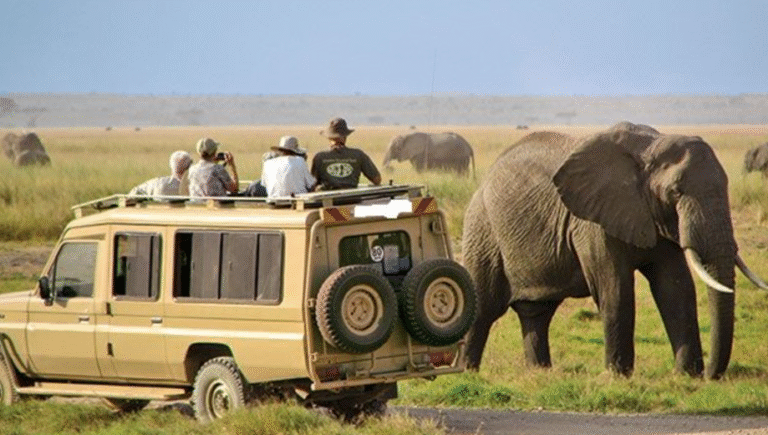
Travelers can experience elephants, lions, giraffes, rhinos, buffalo, hippos, antelope, and many other species in different countries and ecosystems.
Primates and Forest Experiences
Uganda, Rwanda, Tanzania, and other destinations offer opportunities to explore forests and observe primates.
Birdwatching
Africa supports exceptional bird diversity, making it an excellent destination for both beginner and experienced birdwatchers.
Marine Life
Coastal destinations provide opportunities for snorkeling, diving, whale watching, and other marine experiences.
Mountains and Forests
Nature travelers can explore mountain landscapes, rainforests, lakes, waterfalls, and protected natural areas across Africa. In addition, following practical Africa Travel Tips can help you enjoy these natural environments responsibly. Most importantly, always follow wildlife guidelines, keep a safe distance, avoid feeding animals, follow your guide’s instructions, and never interfere with wildlife for photographs.
Photography and Electronics
Africa provides excellent opportunities for landscape, cultural, architectural, wildlife, and street photography.
Pack equipment according to your itinerary.
Useful items may include:
- Smartphone or camera
- Spare batteries
- Memory cards
- Power bank
- Universal adapter
- Camera protection
- Lightweight tripod where permitted
If you plan to photograph wildlife, a suitable zoom lens can be useful. However, avoid carrying more equipment than you can comfortably manage. Respect photography restrictions at airports, government buildings, military locations, religious sites, and other restricted areas.
Africa Travel Tips by Travel Style
Different travelers need different approaches, and these Africa Travel Tips can help you plan your trip according to your travel style, budget, interests, and priorities.
Solo Travel
Solo travelers should carefully research transportation, accommodation, neighborhood safety, communication options, and local customs before their trip. In addition, following practical Africa Travel Tips can help solo travelers prepare for local conditions, make informed decisions, and enjoy a more comfortable and confident journey.
Family Travel
Families should consider child-friendly accommodation, shorter travel days, suitable activities, medical access, and age restrictions.
Couples and Honeymoons
Couples can combine cities, beaches, nature, cultural experiences, and luxury accommodation depending on their interests.
Budget Travel
Budget travelers can reduce costs by using public transportation, staying in guesthouses, eating at local restaurants, joining shared tours, and spending more time in fewer destinations. In addition, following practical Africa Travel Tips can help you manage your budget while still enjoying authentic experiences. By planning ahead, you can prioritize the activities and destinations that matter most without unnecessary expenses.
Luxury Travel
Luxury travelers can choose high-end hotels, private guides, premium transportation, exclusive experiences, and personalized itineraries. Furthermore, following practical Africa Travel Tips can help luxury travelers plan seamless arrangements, select suitable services, and make the most of their time and budget.
Adventure Travel
Adventure travelers can explore hiking, diving, mountain climbing, rafting, desert excursions, cycling, and other outdoor activities where available. These Africa Travel Tips can help you adapt your planning approach to your travel style instead of following a single itinerary model.
Common Mistakes to Avoid
Avoiding common mistakes can make your journey smoother.
Trying to Visit Too Many Countries
Africa is enormous. Trying to cover several countries in a short trip can create unnecessary travel time.
Ignoring Seasonal Conditions
Weather can affect roads, flights, wildlife experiences, hiking, and beach activities.
Booking Without Checking Inclusions
Always check what your accommodation, tour, or transportation package actually includes.
Carrying Too Much Luggage
Domestic flights and smaller aircraft may have strict baggage limits.
Ignoring Local Customs
Research cultural expectations before arrival and respect local traditions.
Relying Entirely on Internet Access
Download important information before traveling to remote areas.
Leaving Everything Until the Last Minute
Popular accommodations, permits, tours, and transport can sell out during busy periods.
Africa Travel Checklist
Before departure, review the following checklist:
- Check passport validity
- Confirm visa requirements
- Review health recommendations
- Purchase suitable travel insurance
- Book flights and accommodation
- Confirm transportation
- Research local currency
- Arrange cash and payment options
- Get a SIM or eSIM if needed
- Download offline maps
- Prepare important documents
- Pack suitable clothing
- Check weather conditions
- Save emergency contacts
- Research local customs
- Confirm activity requirements
- Share your itinerary with someone you trust
Keeping a checklist can help you organize your trip and reduce last-minute stress.
Preparing for Your Travel?
“Keep your luggage organized and make packing easier with these Compression Packing Cubes for Travel, 6-Pack—an affiliate product recommendation for travelers who want to maximize suitcase space.”
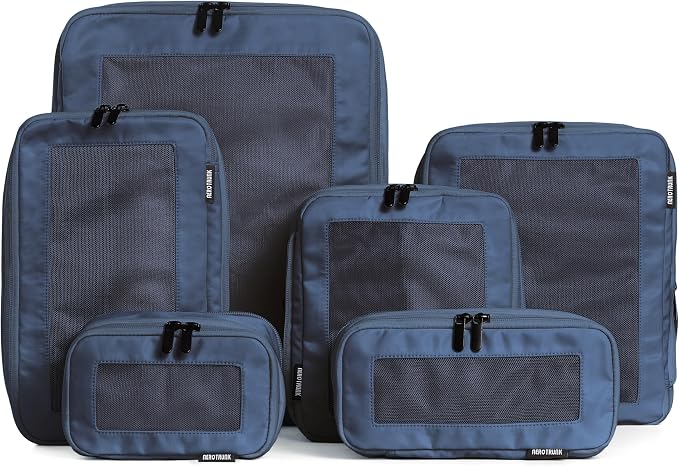
Compression Packing Cubes for Travel, 6-Pack, Dark Blue
- 6-Piece Set
- Compression Design
- Organized Packing
- Travel-Friendly
Final Thoughts
Africa offers far more than one type of holiday. From historic cities and ancient landmarks to beaches, islands, mountains, deserts, forests, local cuisines, cultural traditions, wildlife, and modern urban destinations, travelers can discover experiences to suit almost every interest. However, the key to a successful journey is preparation. Therefore, research your destination, understand entry requirements, plan transportation, choose suitable accommodation, prepare for local conditions, and respect the communities and environments you visit. In addition, these Africa Travel Tips provide a useful starting point, but your final plans should always reflect the specific country or countries you intend to visit. By planning carefully and setting realistic expectations, you can enjoy a more comfortable, responsible, and rewarding travel experience. Whether you are a solo traveler, family, couple, adventure seeker, budget traveler, or luxury traveler, Africa offers countless opportunities to create a memorable journey.

One Comment