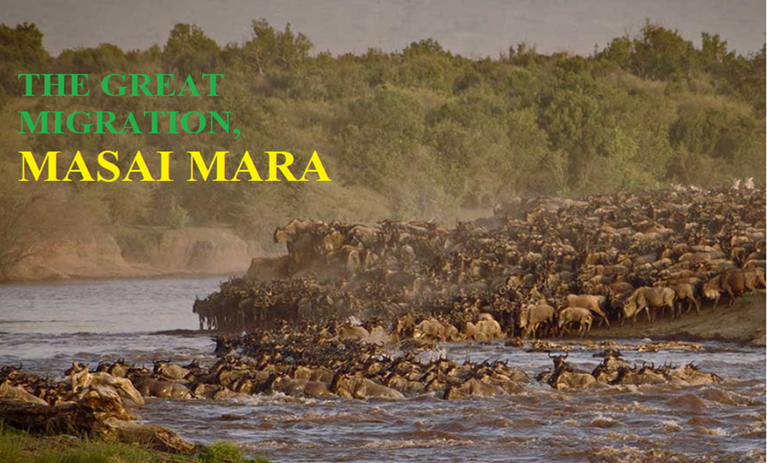
Traveling to Africa offers an opportunity to experience extraordinary landscapes, ancient historical sites, vibrant cultures, beautiful beaches, and unforgettable wildlife safaris. For example, visitors can explore Morocco’s colorful markets and Egypt’s ancient pyramids while also discovering the breathtaking wildlife experiences of Kenya and Tanzania. Moreover, the continent offers something for every type of traveler, whether they prefer cultural exploration, historical sightseeing, relaxing beach holidays, or exciting safari adventures. However, before planning your journey, understanding Africa Visa Requirements 2026 is essential to ensure a smooth and hassle-free travel experience.
Visa regulations differ across African countries depending on your nationality, travel purpose, and length of stay. Some destinations offer visa-free entry to eligible travelers, while others require an electronic visa (eVisa), a traditional embassy visa, or a visitor’s permit. Understanding these differences can help you avoid travel disruptions, unexpected expenses, and problems at immigration checkpoints.
This comprehensive guide explains Africa Visa Requirements 2026, including visa categories, visa-free destinations, eVisa applications, visa-on-arrival arrangements, country-specific entry rules, required documents, fees, processing times, and practical travel guidelines. Whether you are planning a single-country holiday or a multi-country African adventure, this guide will help you prepare for your journey.
Why Understanding Africa Visa Requirements 2026 Is Crucial
Before booking flights, hotels, or safari packages, travelers should understand the immigration regulations of their chosen destinations. Every African country establishes its own entry policies; therefore, visa requirements can vary considerably depending on the passport you hold, your nationality, and the purpose of your visit.
Researching Africa Visa Requirements 2026 before departure helps you prepare the correct documents, choose the appropriate visa category, and understand how long you can legally remain in each destination.
Key Reasons to Understand African Visa Rules
- Avoid Entry Problems: Incorrect or missing documents can result in denied boarding or refused entry.
- Prevent Additional Expenses: Understanding visa fees and application procedures helps you prepare your travel budget.
- Meet Immigration Regulations: Travelers must follow passport, visa, and entry conditions.
- Plan Multi-Country Trips: Different destinations may require separate visas or regional travel permits.
- Allow Enough Processing Time: Some applications require additional checks or prior approval.
Ultimately, proper preparation and understanding Africa Visa Requirements 2026 make international travel easier and more convenient. As a result, you can spend less time worrying about immigration procedures and more time enjoying Africa’s breathtaking landscapes, diverse wildlife, historical attractions, and rich cultural experiences.
Types of Visas Under Africa Visa Requirements 2026
African countries offer different visa categories depending on the purpose of travel, nationality, and intended length of stay. Therefore, selecting the correct visa category is essential to meeting Africa Visa Requirements 2026 and ensuring a smooth entry process. Additionally, understanding the available visa options helps travelers prepare the required documents and avoid unnecessary application delays.
The following are the most common visa types available to international travelers.
1. Tourist Visa
A tourist visa is designed for visitors traveling for holidays, sightseeing, wildlife safaris, leisure activities, or family visits.
Common requirements include:
- Valid passport.
- Completed visa application.
- Recent passport-sized photograph.
- Accommodation details.
- Return or onward travel information.
- Proof of sufficient financial resources, where required.
Tourist visas commonly allow stays of 30–90 days, although validity and permitted stay periods differ between countries and nationalities.
2. Business Visa
A business visa is intended for travelers attending professional meetings, conferences, exhibitions, trade events, or commercial activities.
Typical requirements include:
- Valid passport.
- Invitation letter from a local company or organization.
- Details of the business activity.
- Employer or company information.
- Proof of accommodation and travel arrangements.
A business visa generally does not authorize ordinary employment in the destination country.
3. Transit Visa
A transit visa may be necessary when travelers pass through an African country while traveling to another international destination. Requirements depend on whether passengers remain inside the international transit area or need to enter the country.
Travelers may need:
- Valid passport.
- Confirmed onward flight ticket.
- Visa for the final destination, where applicable.
- Transit visa application, if required.
Always check airline and immigration requirements before arranging connecting flights.
4. Student Visa
A student visa allows international visitors to study at recognized educational institutions in African countries.
Common requirements include:
- Admission letter from an approved institution.
- Valid passport.
- Proof of tuition payment or financial support.
- Academic documents.
- Accommodation information.
- Medical or police clearance documents, where required.
5. Work Visa
A work visa is required for foreign nationals intending to undertake employment in an African country.
Requirements vary considerably but commonly include:
- Employment contract.
- Employer sponsorship.
- Professional qualifications.
- Work permit or labor authorization.
- Police clearance certificate.
- Medical examination, where applicable.
Travelers should obtain the necessary authorization before beginning employment.
6. Diplomatic or Official Visa
Diplomatic and official visas are generally issued to government representatives, diplomats, and officials traveling on authorized government or international organization business.
These applications commonly require official letters, diplomatic passports, or government authorization.
7. Single-Entry and Multiple-Entry Visas
Another important distinction is the number of times a traveler can enter a country.
- Single-entry visa: Allows one entry during its validity. Leaving the country usually ends the permission to use that visa.
- Multiple-entry visa: Allows several entries during the approved validity period, subject to the permitted stay conditions.
These options are particularly important for travelers planning regional African itineraries.
Visa-Free African Countries and Visa Exemptions
Generally, not every international traveler needs a visa to visit every African country. In fact, some African destinations offer visa-free entry or simplified entry arrangements to citizens of selected countries. Visa-free travel allows eligible visitors to enter a destination without obtaining a traditional visa before departure. However, travelers must still meet the country’s immigration requirements, such as passport validity, permitted length of stay, and proof of onward travel.
What Does Visa-Free Entry Mean?
Visa-free entry generally allows eligible travelers to visit a country for a limited period without applying for a tourist visa.
Depending on the destination, immigration officers may request:
- A valid passport.
- Return or onward flight ticket.
- Hotel reservation or accommodation details.
- Proof of sufficient funds.
- Evidence of the purpose of travel.
- Required vaccination certificates.
African Countries Offering Visa Exemptions
Visa exemptions vary according to nationality and bilateral agreements. Furthermore, several African countries have introduced or expanded simplified entry arrangements for visitors from selected countries. As a result, eligible travelers may benefit from easier entry procedures and reduced visa requirements.
Examples include:
- Seychelles: Offers a visitor’s permit on arrival rather than requiring most visitors to obtain a traditional visa in advance.
- The Gambia: Provides visa exemptions to citizens of selected countries.
- Mauritius: Offers visa-free or visa-exempt entry to many nationalities.
- Rwanda: Provides visa-free entry to citizens of certain countries and visa-on-arrival facilities for many other nationalities.
- Kenya: Provides eTA exemptions to selected categories of travelers and nationalities.
Important Things to Remember
However, visa-free entry does not mean unrestricted entry. Therefore, travelers must still comply with the permitted length of stay, immigration conditions, and passport validity requirements.The African Union also supports initiatives to improve freedom of movement across the continent. However, Africa does not currently have a single visa-free arrangement covering every African country. Before traveling, confirm whether your nationality qualifies for an exemption under the destination country’s official immigration rules.
Africa eVisa: The Modern Way to Enter Africa
An electronic visa, commonly called an eVisa, allows eligible travelers to apply for travel authorization online before departure. Instead of visiting an embassy in person, applicants can complete the application, upload supporting documents, and pay the required fee through an official government portal.Moreover, many African countries offer online visa services, making the application process easier and more convenient for international tourists and business visitors.
Benefits of Applying for an eVisa
- Convenience: Complete applications from home without visiting an embassy.
- Online Processing: Submit documents and application forms electronically.
- Application Tracking: Monitor the progress of your application through the official portal.
- Advance Preparation: Obtain the required authorization before traveling.
- Reduced Paperwork: Avoid some traditional embassy application procedures.
African Countries Offering eVisa Services
Several African countries provide electronic visa applications, including:
- Kenya
- Tanzania
- Uganda
- Rwanda
- Zambia
- Zimbabwe
- Botswana
- Ethiopia
- Nigeria
However, the availability of an eVisa does not mean every nationality is eligible for the same application process.
How to Apply for an African eVisa
The general application process involves the following steps:
- Visit the destination country’s official immigration or eVisa website.
- Select the appropriate visa category.
- Complete the online application form with accurate personal information.
- Upload your passport copy, photograph, and supporting documents.
- Pay the applicable visa fee using an accepted payment method.
- Submit the application and save your reference number.
- Receive the approval notification and download your electronic visa.
Important Tip: Apply through official government websites rather than unfamiliar third-party platforms. Some private agencies charge additional service fees, and using an unofficial website can expose your personal information to unnecessary risks.
Visa Disclaimer
Visa requirements, entry regulations, application fees, and processing times may change without prior notice. The information provided in this guide is intended for general travel planning and informational purposes only. Actual requirements depend on your nationality, passport type, destination, and purpose of travel. Before booking your trip or departing, always verify the latest information through the official immigration websites, embassies, or consulates of your destination countries. TravelToPlanet is not responsible for visa application decisions, entry refusals, delays, or changes in immigration policies.
Official eVisa Application Websites
Here are some useful government portals:
| Country | Official application website |
| Kenya | Kenya eTA portal |
| Tanzania | Tanzania eVisa portal |
| Uganda | Uganda Immigration |
| Rwanda | Rwanda Immigration |
| Zambia | Zambia Immigration |
| Botswana | Botswana Government |
Visa on Arrival Under Africa Visa Requirements 2026
Visa on Arrival (VOA) allows eligible travelers to obtain a visa at an authorized airport or border crossing after reaching their destination. Under Africa Visa Requirements 2026, this option can simplify travel planning because visitors do not always need to complete a traditional visa application before departure. However, visa-on-arrival facilities are not available to every nationality or at every entry point. Therefore, travelers should confirm their eligibility and entry conditions before starting their journey.
African Countries Offering Visa on Arrival
Some examples of countries with visa-on-arrival or similar entry arrangements include:
| Country | Entry arrangement |
| Rwanda | Visa on arrival for citizens of all countries, subject to applicable conditions |
| Tanzania | Visa on arrival for eligible nationalities |
| Zambia | Visa on arrival for eligible nationalities |
| Zimbabwe | Visa on arrival for eligible nationalities |
| Seychelles | Visitor’s permit issued on arrival, subject to entry conditions |
For example, Rwanda allows citizens of all countries to obtain a visa on arrival. Tanzania, however, maintains a nationality-based eligibility list, and some travelers must obtain special approval before departure.
Important Considerations Before Traveling
Before relying on visa-on-arrival facilities, check the following:
- Whether your passport qualifies.
- Whether the visa is available at your intended entry point.
- The required visa fee and accepted payment methods.
- Passport validity and blank-page requirements.
- Whether hotel bookings and return tickets are necessary.
- Whether prior immigration approval is required.
Travel Tip: Applying online in advance is often a more convenient option when available. Never assume that a visa-on-arrival facility applies to every passport holder.
Country-by-Country Visa Requirements in Africa
One of the most important parts of planning an African holiday is understanding the entry rules of each destination. Although some countries have simplified immigration procedures, others require visitors to obtain authorization before departure.
The following overview explains the general entry arrangements in several popular African destinations.
1. Kenya Visa Requirements

Kenya uses an Electronic Travel Authorisation (eTA) system for most international visitors. Travelers, including infants and children, generally need an approved eTA before beginning their journey, unless they qualify for an exemption.
Common requirements include:
- Passport valid for at least six months after the planned arrival date.
- At least one blank passport page.
- Recent photograph or selfie.
- Travel itinerary.
- Accommodation confirmation.
- Email address and payment method.
The official Kenyan immigration website currently indicates a standard processing period of approximately three working days, although some applications may take longer.
Official application: Kenya Electronic Travel Authorisation
2. Tanzania Visa Requirements

Tanzania offers online visa applications and visa-on-arrival facilities for eligible nationalities. Tourists visiting Tanzania Mainland and Zanzibar can generally use the same Tanzanian visa.
Common application documents include:
- Valid passport with at least six months of validity.
- Recent passport photograph.
- Return flight ticket.
- Completed online application.
- Required visa payment.
Tanzania’s official immigration guidelines indicate that ordinary single-entry tourist visas generally cost USD 50 and allow a stay of up to 90 days. The multiple-entry visa generally costs USD 100, with different conditions. Online applications are normally processed within ten days, except for referral visa categories, which can take longer.
Important: Citizens of certain countries, including Pakistan, cannot obtain a Tanzanian visa on arrival without special immigration permission. They should arrange the required approval before traveling.
Official application: Tanzania eVisa System
3. Uganda Visa Requirements

Uganda generally requires eligible foreign visitors to obtain a tourist visa through its official online immigration portal before traveling. A single-entry tourist visa is generally valid for a stay of up to three months.
Common requirements include:
- Passport copy with at least six months of validity.
- Recent passport photograph.
- Travel itinerary or tour plan.
- Hotel booking or accommodation details.
- Supporting documents explaining the purpose of travel.
Uganda’s published tourist visa fee is USD 50. The initial entry period may be extended for another 60 days, subject to immigration approval and the applicable procedures.
Official application: Uganda Tourist Visa
4. Rwanda Visa Requirements

Rwanda offers relatively convenient entry arrangements for international visitors. Citizens of all countries can obtain a visa on arrival, subject to the applicable immigration conditions. Travelers can also apply through the official online immigration system before departure.
Rwanda’s published visa arrangements include:
- Visa on arrival for citizens of all countries.
- Visa-free arrangements for eligible nationalities.
- Special fee exemptions for selected international groups.
- Online visa applications through the government portal.
The official immigration website states that single-entry visa fees generally do not exceed USD 50, while multiple-entry visa fees generally do not exceed USD 70. Specific exemptions and visa categories may have different conditions.
Official application: Rwanda Immigration Visa Information
5. South Africa Visa Requirements

South Africa offers visa exemptions to citizens of selected countries, while other nationalities must obtain a visitor’s visa before departure. Tourist visas are generally issued for visits of up to 90 days, depending on the immigration decision.
Common supporting documents include:
- Valid passport.
- Completed visa application.
- Return or onward travel details.
- Accommodation information.
- Evidence of sufficient financial resources.
- Additional supporting documents, where required.
Unlike some African destinations, South Africa does not issue visas at its ports of entry. Travelers who require a visa must obtain it before boarding their flight.
Official information: South African Government Visa Information
6. Seychelles Visa Requirements

Seychelles does not generally require visitors to obtain a traditional visa before traveling. Instead, eligible visitors receive a visitor’s permit on arrival after satisfying immigration conditions.
Travelers should have:
- Valid travel documents.
- Confirmed return or onward tickets.
- Confirmed accommodation.
- Sufficient funds for the duration of the visit.
- Completed required travel authorization and immigration procedures.
Seychelles immigration currently specifies a minimum of USD 150 or equivalent per day as evidence of sufficient funds. Visitors must also complete the required electronic travel authorization procedures.
Official information: Visiting Seychelles – Immigration Department
7. Zambia Visa Requirements

Zambia offers different entry options depending on nationality, including visa exemptions, visa on arrival, and eVisa applications. Visitors who require a visa may apply through the official immigration portal or use an authorized visa-on-arrival facility if eligible.
Common requirements include:
- Passport valid for at least six months.
- At least three blank passport pages for visa-on-arrival applicants.
- Return flight ticket for air travelers.
- Accommodation and host details.
- Evidence of sufficient funds, where required.
Official application: Zambia Immigration – Visitor Information.
8. Zimbabwe Visa Requirements

Zimbabwe provides different visa arrangements depending on the nationality of the visitor. Eligible travelers may use visa-free entry, eVisa services, or visa-on-arrival facilities. Visitors should confirm their visa category, permitted stay, entry point, and applicable charges before departure. Travelers planning to visit both Zambia and Zimbabwe may also qualify for the KAZA Univisa, subject to nationality and entry-point eligibility.
Official information: KAZA Univisa – Zambia Immigration.
Note: The country information above is an overview, not a universal eligibility list. Visa requirements can change, and travelers should check the latest rules for their own nationality before booking or departing.
Africa Visa Requirements 2026 by Nationality
One of the most important factors affecting visa applications is the nationality shown on your passport. Under Africa Visa Requirements 2026, two travelers visiting the same African country may face completely different entry requirements. For example, one might qualify for visa-free entry, while another may need to apply online or obtain a visa through an embassy. Therefore, checking the specific entry rules for your nationality before traveling is essential.
Visa Requirements for Different Passport Holders
The following examples explain why checking nationality-specific regulations is essential.
| Nationality | Important considerations |
| United States | Visa exemptions and application requirements differ between African destinations. |
| United Kingdom | Some countries offer visa-free entry, while others require advance authorization. |
| Canada | Entry arrangements depend on the destination and purpose of travel. |
| Australia | Travelers should check visa exemptions and eVisa eligibility individually. |
| Pakistan | Some destinations require advance visa arrangements or additional approval. |
| India | Visa requirements vary by destination and may include eVisa or embassy applications. |
Example: Pakistani Passport Holders
Pakistani travelers planning to visit Africa should carefully review the immigration rules of every destination.
For example, Tanzania does not allow Pakistani passport holders to obtain a visa on arrival without special permission from its immigration authorities. Therefore, travelers should obtain the required authorization before departure. Other destinations may have different application procedures, supporting document requirements, and processing times.
How to Check Your Visa Eligibility
Before booking your trip:
- Identify your passport nationality.
- Select your intended African destination.
- Visit its official immigration website.
- Check visa exemptions and application categories.
- Confirm the permitted length of stay.
- Review additional entry requirements.
Always use your actual passport nationality rather than your country of residence when checking visa eligibility.
Schengen vs. Africa: Different Visa Rules
Travelers’ familiar with European travel may assume that Africa operates under a similar shared visa system. However, African countries generally manage their own immigration policies. The Schengen Area allows eligible visitors to travel between participating European countries using a common short-stay visa. Africa does not currently have an equivalent visa covering the entire continent.
Major Differences
| Schengen Area | African Countries |
| Common short-stay visa system for participating countries | Individual national visa systems |
| One Schengen visa can cover multiple member countries | Separate visas may be necessary |
| Shared visa rules for participating countries | Entry rules vary by destination |
| Common external-border visa framework | Different immigration authorities |
🧳 Preparing for Your Travel?
“Make your trip more comfortable and convenient with useful travel essentials available on Amazon”
Affiliate Disclosure: As an Amazon Associate, we earn from qualifying purchases.
Regional African Visa Arrangements
Although there is no single African tourist visa, some regional arrangements make multi-country travel easier.
East African Tourist Visa
The East African Tourist Visa allows eligible travelers to visit:
- Kenya
- Uganda
- Rwanda
It is a multiple-entry tourist visa valid for 90 days within the participating countries. The issuing country must be the traveler’s first entry point. The published fee is USD 100. It does not authorize employment.
KAZA Univisa
The KAZA Univisa facilitates tourism between:
- Zambia
- Zimbabwe
It also covers eligible day trips into Botswana through the Kazungula border. The visa costs USD 50 and allows multiple entries between Zambia and Zimbabwe for up to 30 days within a 12-month period, subject to its conditions and eligible nationalities. These regional arrangements are especially useful for travelers planning safaris, wildlife tours, and multi-country African holidays.
Documentation Required for African Visas
Preparing the correct documents is essential when applying for an African tourist visa, business visa, or other travel authorization. Although requirements differ between destinations, most immigration authorities request a similar set of supporting documents. Travelers should prepare their paperwork before starting an application to avoid delays, incomplete submissions, or rejection.
Essential Documents for African Visa Applications
1. Valid Passport
A passport is the most important travel document. Many African countries require at least six months of remaining validity.
2. Passport-Sized Photographs
Applicants may need recent color photographs that meet the destination’s specific size and background requirements.
3. Completed Visa Application Form
Provide accurate personal information, travel dates, passport details, and the purpose of your visit.
4. Flight Reservations
Some immigration authorities request confirmed return or onward flight tickets to verify your departure arrangements.
5. Accommodation Details
Hotel reservations, lodge confirmations, or an invitation from a host may be required.
6. Proof of Financial Resources
Bank statements, income documents, or other evidence may be requested to demonstrate that you can afford your stay.
7. Travel Itinerary
A travel plan showing destinations, activities, accommodation, and travel dates may support your application.
8. Health and Vaccination Certificates
Some countries require an International Certificate of Vaccination, particularly for yellow fever.
9. Invitation Letters
Business travelers and visitors staying with friends or relatives may need an invitation letter from their host.
10. Additional Supporting Documents
Depending on the visa category, authorities may request employment letters, admission documents, police clearance certificates, or medical records.
Document Preparation Checklist
- Valid passport and passport copies.
- Recent passport-sized photographs.
- Completed application form.
- Flight reservations or onward travel details.
- Hotel bookings or accommodation information.
- Bank statements or financial evidence.
- Travel itinerary.
- Vaccination certificates, where required.
- Invitation letter, if applicable.
- Visa payment confirmation.
Keep both printed and digital copies of important documents throughout your journey.
Passport Validity and Entry Requirements
Passport validity is one of the most important factors when preparing for international travel. Even if a traveler has an approved visa, insufficient passport validity or missing blank pages can create problems during check-in or immigration.
How Long Should Your Passport Be Valid?
Many African countries require passports to remain valid for at least six months from the date of arrival or another specified reference date. However, this is not a universal rule. For example, Seychelles requires travel documents to remain valid for the intended visit and return journey, while Tanzania specifies at least six months of passport validity for visa applicants.
Blank Passport Pages
Some countries require one or more unused passport pages for visa endorsements or entry stamps.
For example:
- Tanzania requires at least one unused visa page.
- Kenya requires at least one blank passport page.
- Zambia’s visa-on-arrival guidance specifies at least three full blank pages.
Other Important Passport Considerations
Before departure:
- Check your passport’s expiry date.
- Make sure the passport is not damaged.
- Confirm the number of blank pages required.
- Ensure your visa details match your passport information.
- Check whether you need to carry an old passport containing a valid visa.
- Renew your passport early if it does not meet the destination’s requirements.
If your passport is lost, stolen, or damaged during your trip, contact your country’s embassy or consulate for assistance.
Health and Vaccination Requirements
Health regulations are another important part of Africa Visa Requirements 2026. Some African countries require specific vaccination certificates, while others recommend certain vaccines to protect international visitors. Requirements may depend on your country of departure, previous travel destinations, transit stops, and the health situation in the region.
Yellow Fever Vaccination
Yellow fever is an important consideration for travelers visiting certain African destinations. Some countries require an International Certificate of Vaccination or Prophylaxis (ICVP), commonly called the yellow card, from travelers arriving from yellow fever risk areas. Other countries require vaccination evidence from all arriving travelers. The vaccine certificate generally becomes valid 10 days after the initial vaccination. A properly completed certificate is valid for the lifetime of the vaccinated person under international health regulations.
Other Recommended Vaccinations
Depending on your itinerary and medical circumstances, healthcare professionals may recommend:
- Hepatitis A.
- Hepatitis B.
- Typhoid.
- Tetanus.
- Polio.
- Routine vaccinations.
- Other destination-specific vaccinations.
Malaria prevention may also be important when visiting certain African regions.
Health Preparation Tips
- Consult a travel health professional before departure.
- Check vaccination requirements for every country on your itinerary.
- Carry your International Certificate of Vaccination when applicable.
- Pack necessary prescription medications.
- Research malaria prevention and local health risks.
- Keep emergency medical contact information accessible.
Important: Recommended vaccinations and mandatory immigration requirements are not the same. Always verify the latest entry rules for your destination.
Visa Fees and Processing Times in African Countries
Visa fees and processing times are important considerations when preparing an international travel budget. Costs depend on the country, nationality, visa category, number of entries, and application method. Some countries offer relatively affordable tourist visas, while others charge different fees for single-entry and multiple-entry applications.
Examples of African Tourist Visa Fees
The following examples are based on published government immigration information:
| Country | Visa category | Published fee |
| Tanzania | Ordinary single-entry | $50 |
| Tanzania | Multiple-entry | $100 |
| Uganda | Single-entry tourist visa | $50 |
| Rwanda | Single-entry visitor visa | $50 |
| Rwanda | Multiple-entry visitor visa | $70 |
| East African Tourist Visa | Kenya, Uganda and Rwanda | $100 |
| KAZA Univisa | Zambia and Zimbabwe | $50 |
These are published fee examples, not a complete price list for every nationality or visa category. Additional payment charges may apply.
Typical Visa Processing Times
Processing times vary between immigration authorities.
| Country | Published processing guidance |
| Kenya | Approximately 3 working days for eTA applications |
| Tanzania | Normally within 10 days, excluding referral cases |
| Botswana | Approximately 7–14 working days |
| Uganda | Depends on application review and approval |
Tips for Managing Visa Costs and Processing
- Research visa fees before booking your trip.
- Apply early, especially if additional immigration approval is required.
- Check whether online payment charges apply.
- Avoid paying unnecessary fees to unofficial agencies.
- Keep payment receipts and application reference numbers.
- Do not purchase non-refundable travel arrangements until you understand the visa approval requirements.
Visa Extensions, Overstaying and Penalties
Sometimes travelers decide to extend their holidays after arriving in Africa. They may want additional time to enjoy a safari, explore another city, visit family, or experience more destinations. However, staying beyond the permitted period without authorization can create serious immigration problems.
How to Extend an African Tourist Visa
Some African countries allow visitors to apply for an extension of their tourist visa or visitor’s pass.
The general process involves:
- Checking whether your visa category allows an extension.
- Contacting the immigration authority before your current permission expires.
- Completing the required extension application.
- Providing your passport and existing visa details.
- Submitting supporting documents.
- Paying any applicable extension fees.
- Waiting for official approval before remaining beyond your permitted stay.
For example, Kenya allows eligible foreign visitors to apply for an extension of their visitor’s pass, subject to immigration approval. Uganda also provides extension procedures for eligible tourist visa holders.
What Happens If You Overstay?
Overstaying means remaining in a country after your authorized visa or visitor’s permission has expired.
Possible consequences include:
- Financial penalties or fines.
- Immigration detention.
- Deportation.
- Restrictions on future entry.
- Difficulties obtaining visas for future trips.
The exact consequences depend on the destination’s immigration laws and the circumstances of the violation.
Travel Tip: Never assume that submitting an extension application automatically gives you permission to remain. Obtain confirmation from the appropriate immigration authority.
Traveling Between Multiple African Countries
Africa is a large and diverse continent, and many travelers prefer exploring several countries during one holiday. For example, a safari itinerary might include Kenya, Tanzania, and Rwanda, while a Southern African journey could combine Zambia, Zimbabwe, and Botswana. However, international borders have separate immigration requirements, and a visa for one country does not automatically allow entry into another.
Important Considerations for Multi-Country Travel
Before planning your itinerary:
- Check visa requirements for every destination.
- Confirm whether your visa permits multiple entries.
- Research land-border and airport entry procedures.
- Check transit visa requirements.
- Keep sufficient blank passport pages.
- Verify yellow fever vaccination requirements.
- Confirm that your visa remains valid throughout your journey.
Regional Visa Options
East African Tourist Visa
This arrangement covers tourism visits to Kenya, Uganda, and Rwanda. It offers multiple entries within the participating countries for 90 days, subject to its conditions.
KAZA Univisa
This arrangement makes travel between Zambia and Zimbabwe easier and also covers eligible day trips into Botswana through the Kazungula border. Both arrangements can help reduce the need for separate tourist visa applications when traveling through participating destinations.
Visa Requirements for Children and Families
Families traveling to Africa should pay particular attention to the immigration requirements for children and minors. Children may need their own passports, travel authorizations, and supporting documents, even when traveling with their parents.
Common Documents for Children
Depending on the destination, families may need:
- A valid individual passport for each child.
- Separate visa or eTA approval, where required.
- Birth certificate.
- Parent or guardian identification.
- Consent letter from a non-traveling parent, where applicable.
- Accommodation and travel details.
- Additional custody or guardianship documents, if relevant.
Children Traveling with One Parent
Some destinations may request additional documentation when a child travels with only one parent or another adult. A signed parental consent letter can help establish that the journey has been authorized by the relevant parent or guardian.
Important Considerations
- Check the minimum age requirements for travel authorization.
- Confirm whether children need separate visa applications.
- Carry birth certificates when recommended or required.
- Check airline rules for unaccompanied minors.
- Verify the destination’s requirements before departure.
For example, Kenya requires approved eTA authorization for visiting children as well as adults, while Tanzania requires separate visa applications for individual passport holders, including minors.
Travel Insurance and Africa Visa Requirements 2026
Travel insurance is an important part of international travel preparation. Although it is not universally mandatory for every African destination, certain countries may require specific insurance arrangements or proof of coverage. Travel insurance can help protect visitors against unexpected medical expenses, trip cancellations, lost luggage, and emergency transportation costs.
What Should Travel Insurance Cover?
A suitable travel insurance policy should ideally include:
- Emergency medical treatment.
- Hospitalization expenses.
- Medical evacuation.
- Emergency repatriation.
- Trip cancellation or interruption.
- Lost or delayed baggage.
- Travel delays and unexpected expenses.
Is Travel Insurance Mandatory in Africa?
Insurance requirements vary by country and can change. An important current example is Kenya. From October 5, 2026, most foreign visitors staying in Kenya for less than 12 months are required to obtain Kenyan government-provided travel health insurance, subject to specified exemptions. For travelers who need an eTA, the insurance is included in the application process. Visitors who already hold a valid eTA must follow the separate government insurance procedure. This demonstrates why travelers should not assume that their existing international insurance policy automatically satisfies every destination’s immigration requirements.
Travel Insurance Tips
- Compare insurance coverage before purchasing a policy.
- Check medical evacuation limits.
- Confirm coverage for safari and adventure activities.
- Review exclusions for pre-existing conditions.
- Check whether the destination requires government-approved insurance.
- Carry digital and printed copies of your insurance documents.
Practical Tips for Meeting Africa Visa Requirements 2026
Preparing your travel documents and understanding immigration rules under Africa Visa Requirements 2026 before departure can make your African holiday much easier. Therefore, proper preparation is essential. Here are some practical recommendations to help you avoid common travel problems and enjoy a smoother journey.
1. Check Official Immigration Websites
Always use government immigration portals or embassy websites for the latest information. Avoid relying entirely on outdated travel blogs or unofficial visa agents.
2. Apply for Your Visa Early
Some applications require additional documentation, interviews, or immigration approval. Submit your application well before your planned departure.
3. Confirm Your Passport Validity
Check passport expiry dates and blank pages before booking international flights.
4. Keep Copies of Important Documents
Save digital and printed copies of your passport, visa approval, flight tickets, hotel bookings, and insurance information.
5. Check Transit Visa Requirements
Connecting flights may involve additional immigration requirements, particularly when changing airports or leaving an international transit area.
6. Verify Vaccination Requirements
Research yellow fever requirements and other health regulations before traveling between African countries.
7. Understand Your Permitted Stay
A visa’s validity period and the number of days you are allowed to remain are not necessarily the same. Check both carefully.
8. Carry Proof of Accommodation and Onward Travel
Immigration officers may request hotel reservations, host details, return tickets, or evidence of onward travel.
9. Use the Correct Visa Category
Do not use a tourist visa for employment or activities that require a different immigration authorization.
10. Check Rules Again Before Departure
Visa and entry regulations can change. Review your destination’s official requirements shortly before traveling. Following these recommendations will help you meet Africa Visa Requirements 2026 and prepare for a smoother international journey.
Conclusion
Understanding Africa Visa Requirements 2026 is an essential part of planning a successful international journey. Although Africa offers a wide range of travel experiences, immigration regulations differ considerably between countries and depend on individual passport nationalities. From understanding tourist and business visas to exploring visa-free entry, eVisa applications, and visa-on-arrival arrangements, travelers should research their destinations carefully before departure. Preparing the correct documents, checking passport validity, confirming vaccination requirements, and arranging suitable travel insurance can help prevent unnecessary complications.
For travelers planning multi-country adventures, regional arrangements such as the East African Tourist Visa and KAZA Univisa can make certain journeys more convenient. However, checking individual entry conditions remains important. By staying informed about Africa Visa Requirements 2026 and following official immigration guidelines, you can prepare confidently for your African adventure. With proper planning, you can spend less time worrying about travel paperwork and more time discovering Africa’s incredible wildlife, beautiful landscapes, historic destinations, and diverse cultures.