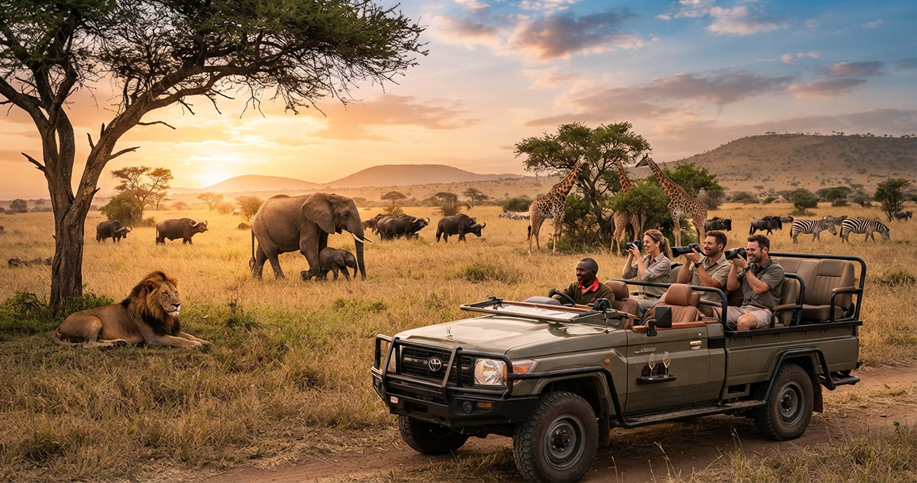
A luxury African safari offers the opportunity to experience some of the world’s most remarkable wildlife in natural habitats. From the famous Big Five to colorful birds, primates, rare predators, reptiles, and marine species, Africa supports an extraordinary variety of animals across its savannahs, forests, wetlands, deserts, rivers, and coastlines. However, the wildlife you see will depend on the country, national park, private reserve, season, habitat, and type of safari you choose. Since no safari can guarantee a particular animal sighting, wildlife moves freely through its natural environment. Nevertheless, experienced guides, suitable locations, and carefully selected travel seasons can greatly improve the opportunities for memorable encounters. As a result, choosing the right destination and safari experience can make your wildlife journey more rewarding.
The Big Five: Iconic African Safari Wildlife
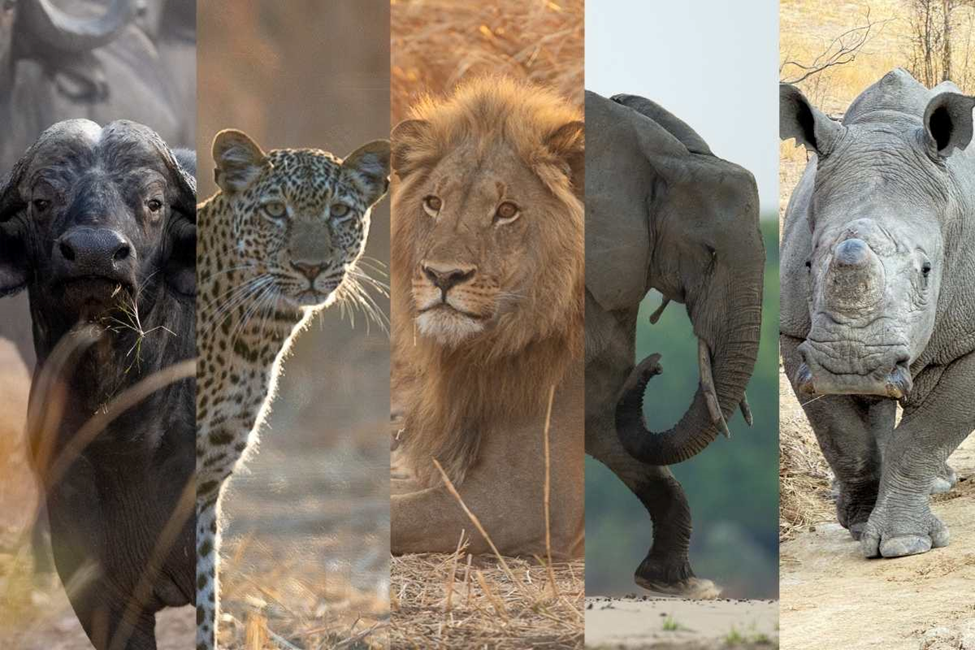
The Big Five remain one of the main attractions of an African safari. The term refers to the lion, leopard, elephant, rhinoceros, and African buffalo.
Lions
Lions are among the most recognizable predators in Africa. Typically, lions rest during the warmer parts of the day and become more active during cooler periods. In addition, lions live in social groups called prides, although males may also live alone or form small coalitions. During a safari, you may have opportunities to observe lions resting, moving through grasslands, interacting with members of their pride, caring for cubs, or hunting. Therefore, observing lions in their natural environment can provide valuable insight into their social behavior and daily routines.
Leopards
Leopards are powerful and adaptable predators known for their solitary behavior and excellent climbing ability. They are often difficult to locate because they can remain hidden in vegetation. Early mornings and late afternoons can be productive periods for leopard sightings. In some areas, travelers may see leopards resting in trees or near watercourses.
Elephants
African elephants are among the largest land animals on Earth. They commonly live in family groups led by experienced females, while adult males may travel alone or in smaller groups. Elephants can frequently be observed near rivers, waterholes, woodlands, and open plains. Watching a herd communicate, feed, drink, or care for young elephants can be one of the most memorable experiences of a luxury African safari.
Rhinoceroses
Both black and white rhinoceroses occur in different parts of Africa, although their distribution varies considerably. Rhino sightings are particularly valuable because several rhino populations face serious conservation challenges. Some private reserves and protected areas have dedicated conservation programs that help protect rhinos from poaching and habitat loss.
African Buffaloes
African buffaloes are powerful herd animals that can occur in large numbers. They are commonly associated with grasslands, woodland, wetlands, and areas close to water. A large buffalo herd moving across the landscape provides an impressive wildlife spectacle, particularly when viewed from a safe distance with an experienced guide.
Predators Beyond the Big Five: African Safari Predators
Africa has many predators beyond lions and leopards.
Cheetahs
Cheetahs are specialized hunters famous for their speed. They often choose open habitats where they can use their exceptional acceleration to pursue prey. Their slender build and distinctive facial markings make them easy to identify when people see them clearly.
African Wild Dogs
African wild dogs are among Africa’s most distinctive and endangered carnivores. They live in cooperative packs and have complex social relationships. Sightings can be particularly special because wild dogs are less widely distributed than lions, leopards, and other common safari animals.
Hyenas
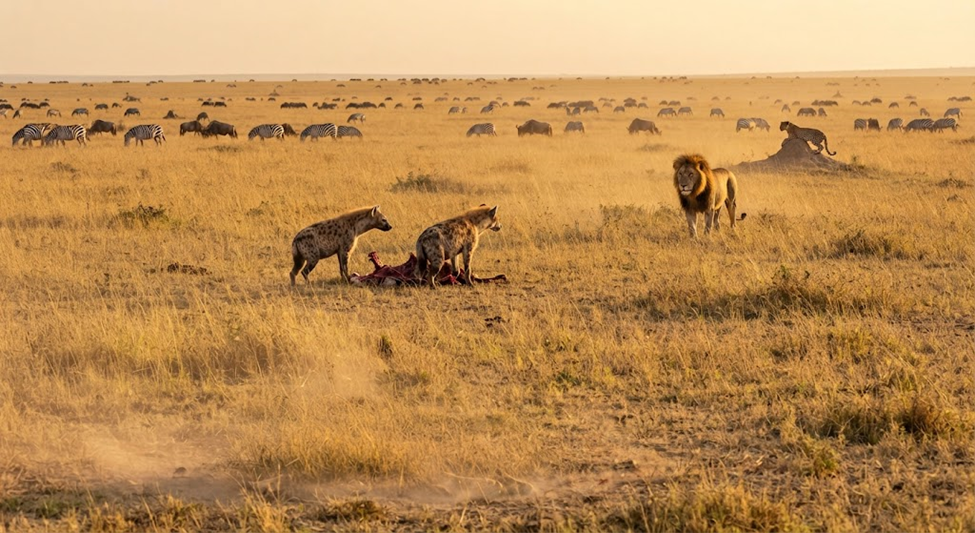
Spotted hyenas are highly social predators and scavengers. They live in structured clans and are capable hunters in their own right. Their distinctive calls and social behavior fascinate visitors, particularly during evening and nighttime activities where safari operators permit these experiences.
Plains Game and Herbivores
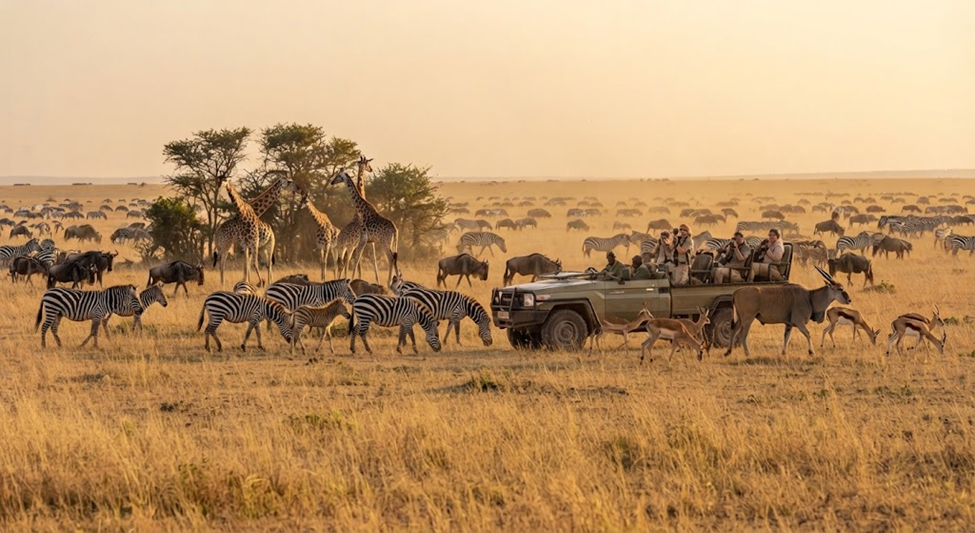
Large herbivores form an important part of African ecosystems and are often among the most frequently observed animals during game drives.
Zebras and Wildebeests
Zebras and wildebeests thrive in some of Africa’s great grassland ecosystems. They gather in large herds and travel considerable distances in search of food and water. Their movements play an especially important role in regions affected by seasonal migrations.
Giraffes
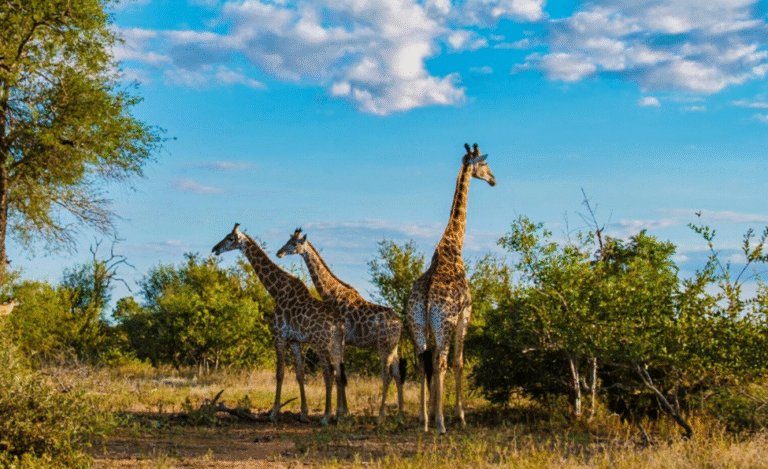
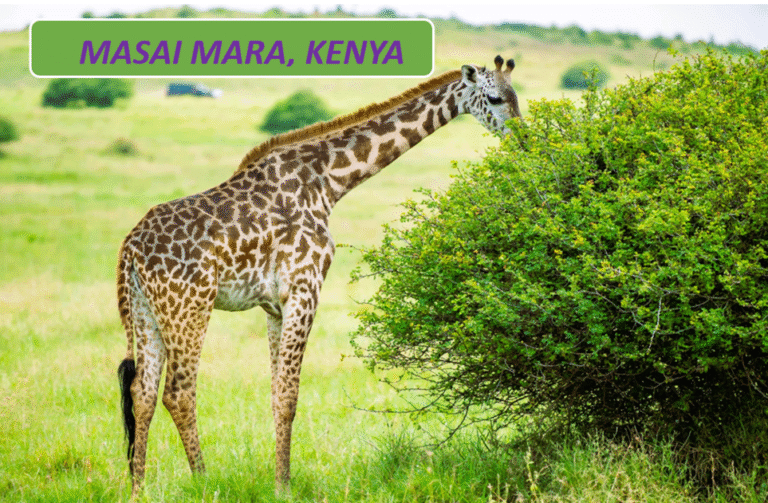
Giraffes are easily recognized by their extraordinary height and patterned coats. They feed primarily on leaves and can often be seen browsing on trees and shrubs. Observing giraffes moving gracefully across an open landscape or feeding alongside other herbivores can provide excellent wildlife photography opportunities.
Antelope
Africa contains numerous antelope species, including impalas, kudus, elands, gazelles, waterbucks, and many others. Their habitats and behavior vary by species. Some live in large groups, while others are more solitary or territorial.
The Great Wildebeest Migration: A Major Luxury Safari Africa Experience
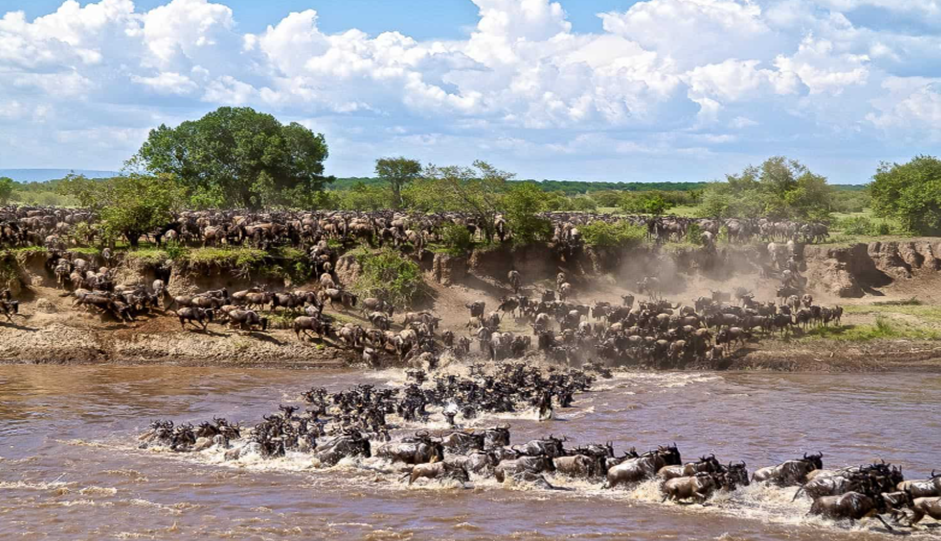
The Great Wildebeest Migration is one of Africa’s most famous wildlife spectacles. Large numbers of wildebeest move through the Serengeti-Mara ecosystem in response to seasonal changes in rainfall and the availability of fresh grazing. Zebras and other herbivores also participate in these movements. Predators such as lions, cheetahs, leopards, and hyenas may follow or take advantage of concentrations of prey. River crossings can also occur during certain stages of the migration, although environmental conditions and animal movements influence their timing and location.
Travelers interested in the migration should select their destination and travel dates carefully because the animals do not remain in one location throughout the year. For travelers planning a luxury African safari, understanding the migration cycle can help with choosing an appropriate region and season.
Primates: Gorillas, Chimpanzees, and Monkeys
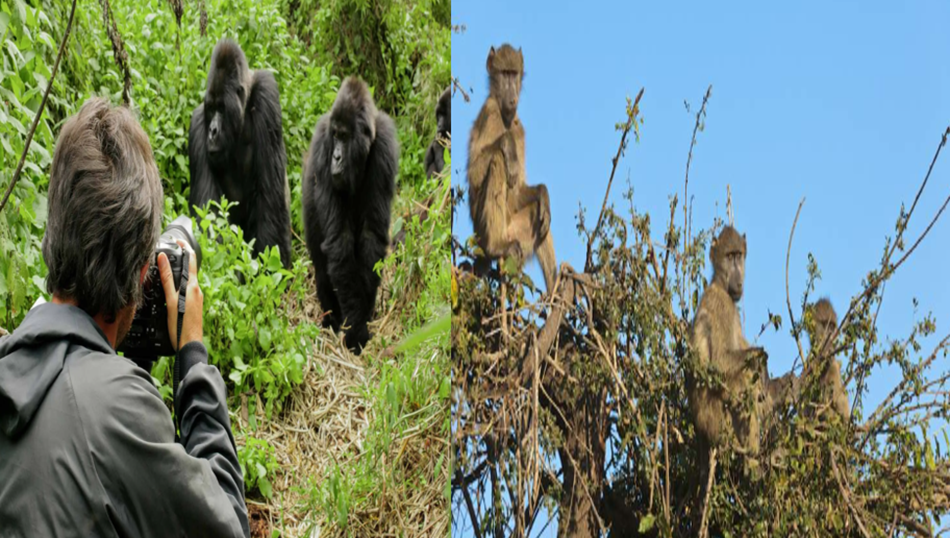
Africa’s primates provide a very different type of wildlife experience.
Mountain gorillas live in protected forest habitats in Uganda and Rwanda, where visitors can observe them through regulated trekking experiences. In addition, trained guides lead these encounters and follow conservation and visitor-management rules. As a result, visitors can observe mountain gorillas while supporting responsible wildlife tourism and habitat protection. Chimpanzees inhabit several forest regions, including Uganda’s Kibale area. Visitors may also encounter baboons, vervet monkeys, colobus monkeys, and other primates in different African destinations. Primate experiences are often walking-based rather than traditional vehicle safaris, making them a distinctive addition to a luxury African itinerary.
Planning your next adventure!
Capture stunning travel, wildlife, and everyday moments with the Canon EOS Rebel T7 DSLR Camera. Its 24.1MP CMOS sensor delivers detailed images, while the 18-55mm and 75-300mm lenses offer versatile shooting options from wide landscapes to distant subjects. With Full HD video and Wi-Fi, it’s a great choice for beginner photographers.
Affiliate Disclosure: As an Amazon Associate, we earn from qualifying purchases.

Canon EOS Rebel T7 DSLR Camera Double Zoom Lens Kit with EF-S 18-55mm and EF 75-300mm Lenses, 24.1 Megapixel CMOS (APS-C) Sensor, Full HD Videos, Wi-Fi, Beginner Photographers, Digital Camera, Black
- FImproved Dual Pixel CMOS AF and eye detection AF 24.1 Megapixel CMOS (APS-C) sensor with is 100–6400 (H: 12800)
- Built-in Wi-Fi and NFC technology working temperature range: 32-104°F/0-40°C
- 9-Point AF system and AI Servo AF
- Video capture resolution: FHD 1080p
Birdlife: A Paradise for African Safari Wildlife Watching
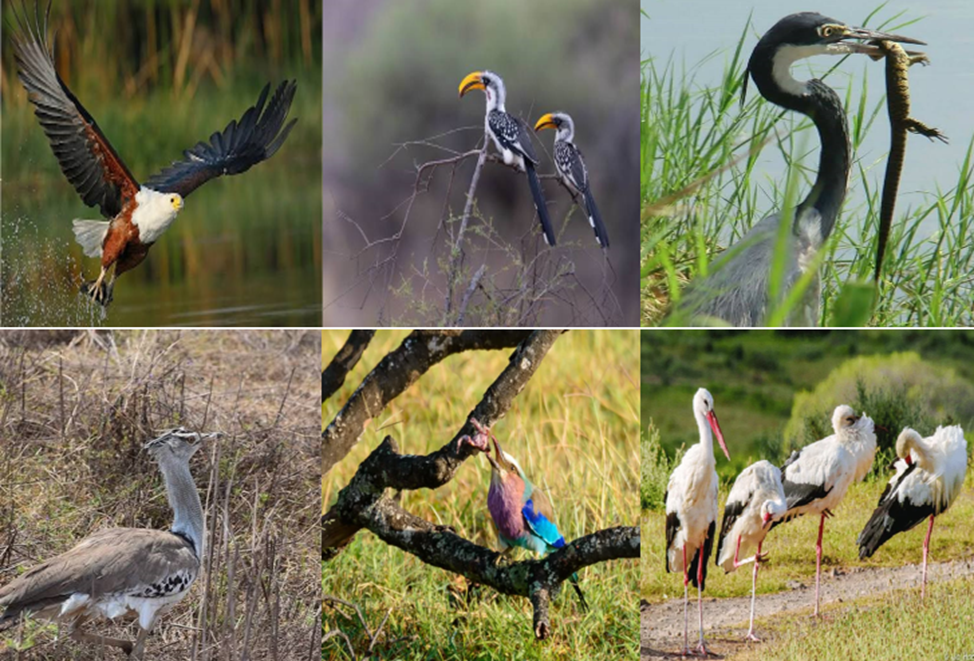
Africa is home to an extraordinary diversity of bird species. Birdwatching can therefore complement traditional big-game viewing. The African fish eagle, lilac-breasted roller, secretarybird, hornbills, kingfishers, herons, storks, vultures, and numerous other species may be encountered depending on the destination and season. Moreover, wet seasons often bring increased bird activity and seasonal visitors to many areas. In addition, specialized guides can help travelers identify bird calls, nesting behavior, feeding patterns, and other details that they might otherwise overlook. As a result, travelers can gain a deeper understanding of Africa’s diverse birdlife during their safari.
Wildlife Around Rivers and Waterholes
Water is one of the most important factors influencing wildlife distribution, particularly during dry periods. Elephants, buffaloes, antelope, birds, and other animals may gather around rivers, lakes, springs, and artificial or natural waterholes.
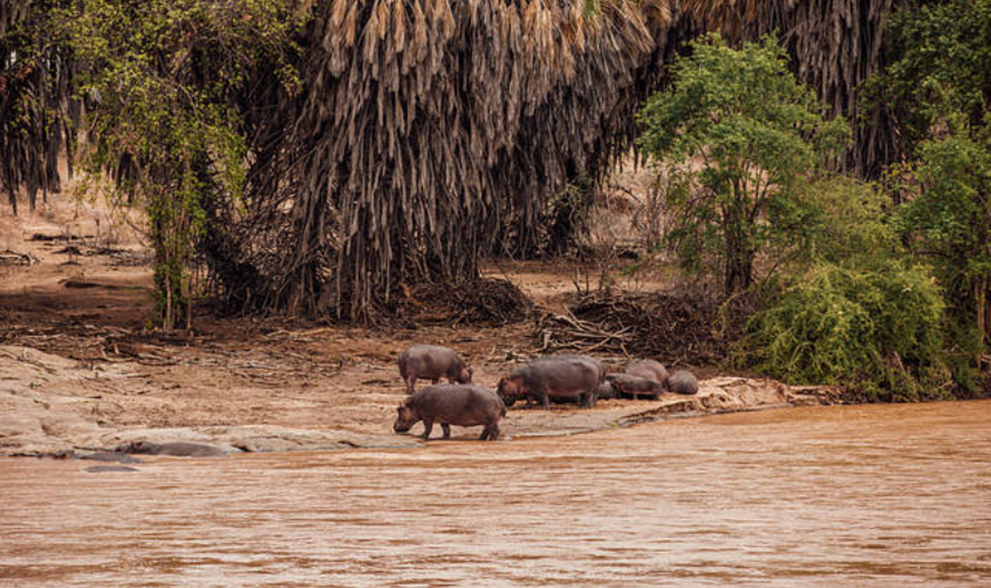
Hippos spend much of their time in water and can often be seen in rivers and pools. Nile crocodiles may rest along riverbanks or remain partially submerged while waiting for opportunities to feed. Water-based wildlife viewing can be particularly productive because several species may visit the same area during the day.
Rare and Endangered African Wildlife
A luxury safari can also provide opportunities to learn about animals that are less commonly seen.
Depending on the destination, these may include:
- African wild dogs
- Black rhinoceroses
- Mountain gorillas
- Chimpanzees
- Pangolins
- Grevy’s zebras
- Certain rare antelope species
- Specialized desert-adapted wildlife
Seeing a rare animal is never guaranteed. However, choosing a destination specifically known for a particular species can increase the possibility of an encounter.
Nocturnal Wildlife on a Luxury African Safari
Africa changes dramatically after sunset.
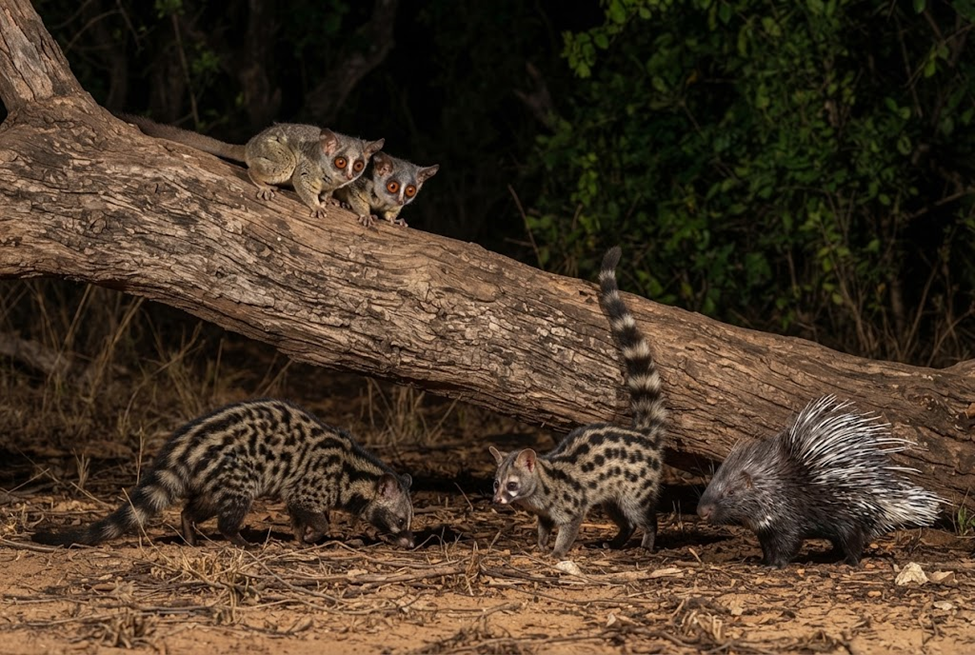
Where night drives are permitted, travelers may have opportunities to observe species that are difficult to see during daylight. Bush babies, aardvarks, genets, civets, porcupines, and other nocturnal animals may become active after dark. Lions, leopards, and hyenas can also display different behaviors at night. A night safari therefore provides a different perspective on the ecosystem rather than simply repeating a daytime game drive. This can add another dimension to a luxury African safari itinerary.
Reptiles and Amphibians
Reptiles and amphibians are important components of African ecosystems.
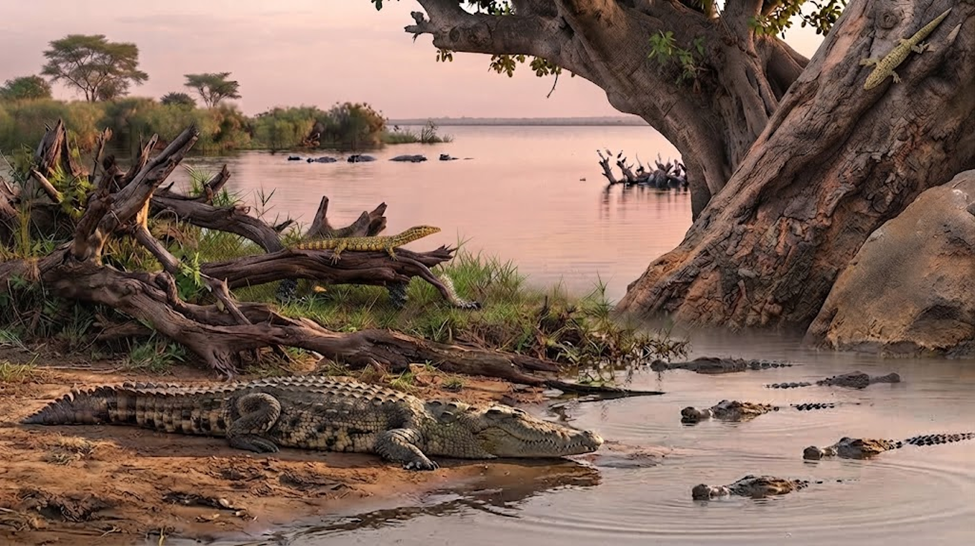
Nile crocodiles are particularly associated with rivers and lakes. Chameleons, tortoises, monitor lizards, geckos, frogs, and various snake species can also be encountered depending on the environment. These smaller animals may not receive as much attention as lions or elephants, but they contribute significantly to the ecological balance of the regions visited.
Smaller Wildlife: Insects and Other Species
A safari is not only about large mammals.
Butterflies, beetles, dragonflies, spiders, termites, frogs, and other small creatures can reveal important details about the ecosystem. Many luxury safari camps have guides with extensive knowledge of insects, plants, tracks, and other signs of wildlife. Paying attention to these smaller species can make the safari experience more educational and varied.
Wildlife Behavior You May Observe
Seeing an animal is only one part of a safari experience. Watching its natural behavior can be equally interesting.
Depending on the circumstances, travelers may observe:
- Predators hunting or feeding
- Lions interacting within a pride
- Elephants communicating and caring for calves
- Giraffes feeding on trees
- Zebras and wildebeests grazing
- Buffaloes moving in large herds
- Birds hunting or feeding
- Primates grooming and communicating
- Young animals learning survival skills
- Territorial behavior between animals
Because wildlife behavior is unpredictable, guides generally allow the animals to determine the pace and direction of an encounter.
Baby Animals and Calving Seasons
Young animals can be among the most memorable sightings on safari.
Depending on the destination and season, travelers may see lion cubs, elephant calves, zebra foals, wildebeest calves, antelope young, and other newborn animals. Calving periods can also attract predators, creating important ecological interactions. However, responsible safari operators maintain appropriate distances and avoid disturbing mothers and young animals.
Wildlife by African Safari Destination
Different destinations provide access to different ecosystems and wildlife experiences.
Kenya
Kenya is well known for the Maasai Mara, Amboseli, Tsavo, and other wildlife areas. Travelers may encounter lions, elephants, cheetahs, leopards, buffaloes, giraffes, zebras, wildebeests, and numerous bird species.
Tanzania
Tanzania offers several major safari ecosystems, including the Serengeti and Ngorongoro Conservation Area. The country is particularly associated with large herbivore populations, predators, elephants, and the Great Migration.
South Africa
South Africa offers a wide range of safari environments. Kruger National Park and surrounding private reserves support diverse populations of lions, leopards, elephants, rhinos, buffaloes, giraffes, wild dogs, and many other species.
Botswana
Botswana is known for wetlands, floodplains, grasslands, and wildlife-rich protected areas. The Okavango Delta and Chobe region can provide opportunities to observe elephants, hippos, buffaloes, predators, antelope, and abundant birdlife.
Namibia
Namibia offers a different safari experience, with desert and semi-desert environments supporting specially adapted wildlife. Etosha National Park is particularly known for its waterholes and diverse wildlife.
Zambia and Zimbabwe
These countries offer extensive wilderness areas and opportunities for traditional game drives, walking safaris, and other wildlife experiences. Depending on the destination, visitors may encounter elephants, hippos, buffaloes, lions, leopards, wild dogs, and numerous other species.
Uganda and Rwanda
These destinations are particularly important for travelers interested in mountain gorillas and chimpanzees. Forest ecosystems also support numerous monkeys, birds, reptiles, and other wildlife.
Wildlife Viewing on Private Reserves
Luxury safaris often include stays in private reserves or conservancies in addition to national parks. Private areas may offer a more personalized experience, depending on local regulations. Some allow activities such as off-road driving or night drives that may not be permitted in national parks. The exact activities available depend on the reserve’s rules and conservation policies. Private reserves can therefore be useful for travelers seeking specialized wildlife experiences and smaller-group guiding.
Walking Safaris and Wildlife Tracking
A walking safari offers a different way to understand Africa’s wildlife.
Instead of focusing only on large animals, walking guides often explain animal tracks, footprints, dung, plants, insects, birds, and other signs of wildlife. Travelers may learn how guides identify recent animal activity and understand how different species interact with their surroundings. Walking safaris require strict safety procedures and should always be conducted according to local regulations and with qualified guides.
Marine Wildlife on Coastal Safaris
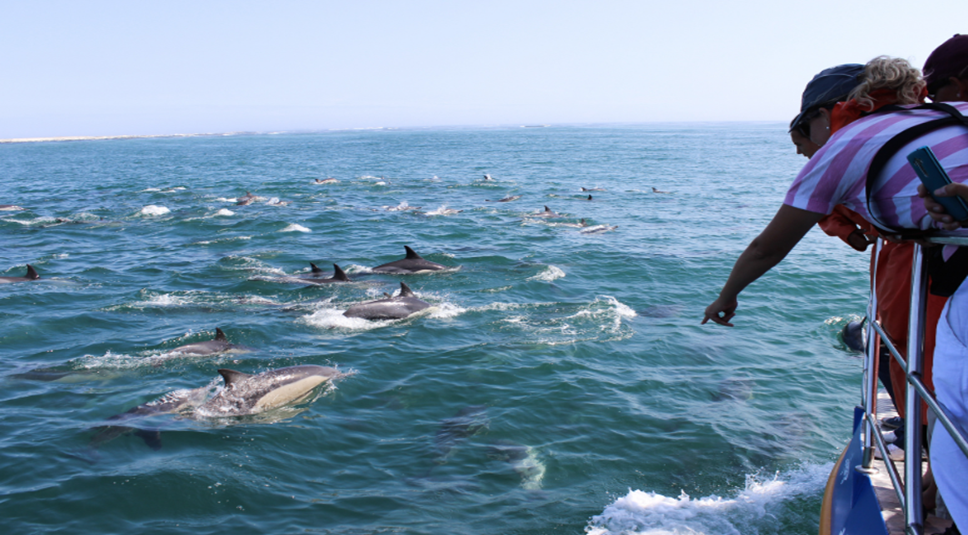
Some luxury African itineraries combine a traditional safari with a coastal or marine extension. South Africa offers opportunities for whale watching along parts of its coastline. Mozambique, Tanzania, Kenya, and other coastal destinations provide opportunities for snorkeling, diving, marine excursions, and observation of coastal ecosystems. Depending on location and season, travelers may encounter dolphins, whales, seals, sea turtles, reef fish, and other marine species. A coastal extension can therefore complement a land-based safari by introducing a completely different wildlife environment.
Seasonal Wildlife Highlights
Season plays an important role in determining what travelers may see.
During many dry seasons, wildlife can become easier to locate because animals concentrate around reliable water sources. Vegetation may also become less dense, improving visibility. Wet seasons transform the landscape with fresh vegetation and seasonal water. Many animals give birth during periods when food becomes more abundant, while bird activity can increase substantially. Migration patterns also change throughout the year. Travelers interested in specific wildlife spectacles should therefore research the seasonal movements of animals before selecting their destination and travel dates.
Best Time for Luxury African Safari Wildlife Viewing
There is no single best safari season for every traveler or every species.
The dry season can provide excellent general game-viewing conditions in many regions because animals may gather around water and vegetation can be less dense. The wet season can offer lush landscapes, fewer visitors in some destinations, newborn animals, and excellent birdwatching opportunities. The ideal timing depends on the wildlife experience you want. Someone interested in general Big Five viewing may have different priorities from a traveler interested in the Great Migration, gorilla trekking, birdwatching, or newborn animals.
Wildlife Photography on a Luxury Safari
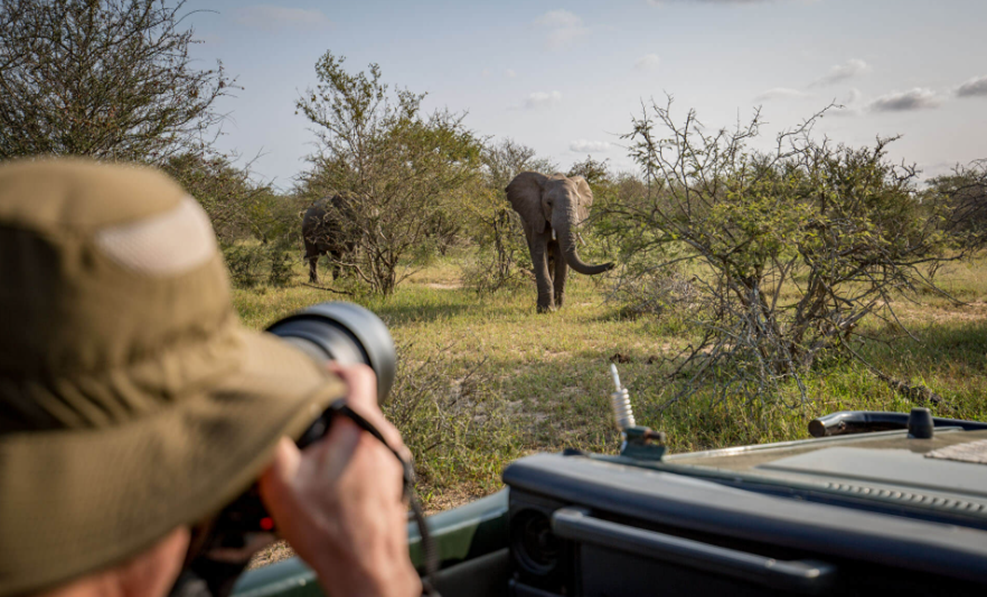
A luxury African safari can provide excellent opportunities for wildlife photography.
A camera with a suitable telephoto lens can help capture animals without requiring visitors to approach them closely. Early morning and late afternoon often provide attractive natural light, while experienced guides can help position the vehicle appropriately. Travelers should avoid disturbing animals for photographs. Flash photography may be inappropriate in certain situations, particularly around sensitive wildlife and during night activities. Patience is often more important than expensive equipment. Waiting quietly can allow natural behaviors to unfold without interference.
Responsible Wildlife Viewing
Responsible tourism is an important part of modern safari travel.
Travelers should follow their guide’s instructions, remain at appropriate distances, avoid feeding animals, and never attempt to attract wildlife for photographs. Vehicles should remain on designated routes where required, and visitors should respect park and reserve regulations. Responsible wildlife tourism can also contribute to conservation and local communities through park fees, tourism employment, conservation programs, and community-based initiatives.
Conservation and the Future of African Wildlife
African wildlife faces a variety of pressures, including habitat loss, illegal wildlife trade, human-wildlife conflict, climate variability, and other environmental challenges. Protected areas, conservation organizations, local communities, governments, researchers, and responsible tourism operators all have roles in protecting wildlife. Luxury safari tourism can contribute to conservation when tourism revenue supports protected areas, local employment, wildlife monitoring, community programs, and habitat protection. Travelers can support responsible tourism by choosing reputable operators, respecting local regulations, and learning about the conservation work connected with their destination.
Staying Safe Around Wildlife
Wild animals should always be treated as wild animals, regardless of how accustomed they may appear to safari vehicles.
Travelers should:
- Follow the guide’s instructions at all times.
- Remain inside the safari vehicle when instructed.
- Never approach or attempt to touch wild animals.
- Avoid loud noises and sudden movements.
- Keep a safe distance from wildlife.
- Follow all rules during walking and night safaris.
- Avoid feeding or attracting animals.
Experienced guides are trained to interpret animal behavior and manage encounters safely. Visitors should therefore rely on their guide’s instructions rather than attempting to create closer encounters.
What Can I Expect on a Typical Luxury Safari?
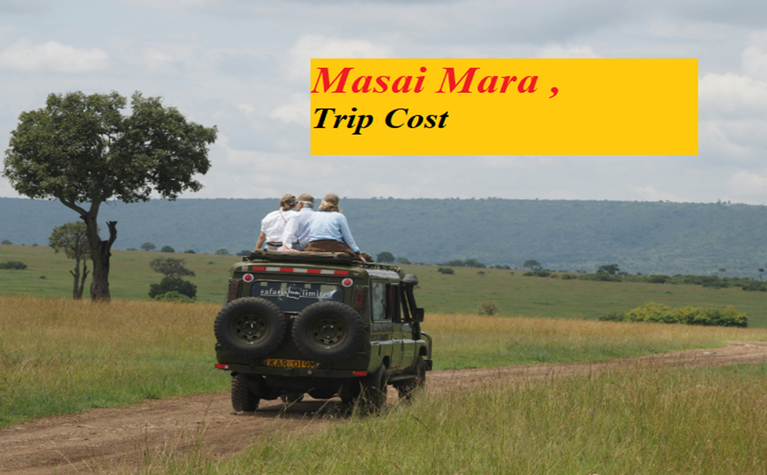
A typical day may include an early-morning game drive when many animals are active. Guests may return to camp or lodge for breakfast and relaxation before another activity later in the day. An afternoon game drive can continue into the evening, depending on local regulations and the type of safari area. Some luxury properties also offer walking experiences, cultural activities, birdwatching, photography sessions, conservation experiences, or night drives where permitted.
The exact schedule varies by lodge, reserve, destination, and season.
Why Wildlife Sightings Are Never Guaranteed
Even the most carefully planned luxury safari cannot guarantee that a traveler will see every desired species. Wild animals move according to food, water, weather, territory, breeding behavior, and many other natural factors. A leopard may remain hidden, a lion pride may move into another area, or elephants may be several kilometers away from a waterhole. This unpredictability is part of what makes a safari different from visiting a zoo. Every sighting occurs within a living ecosystem and can be completely different from the previous day.
Planning your next trip?
Keep your toiletries organized and travel-friendly with these 18-pack silicone travel bottles. TSA-approved and designed with leak-proof containers, they make it easy to carry shampoo, conditioner, lotions, and other liquids without taking up much space in your luggage.
Affiliate Disclosure: As an Amazon Associate, we earn from qualifying purchases.
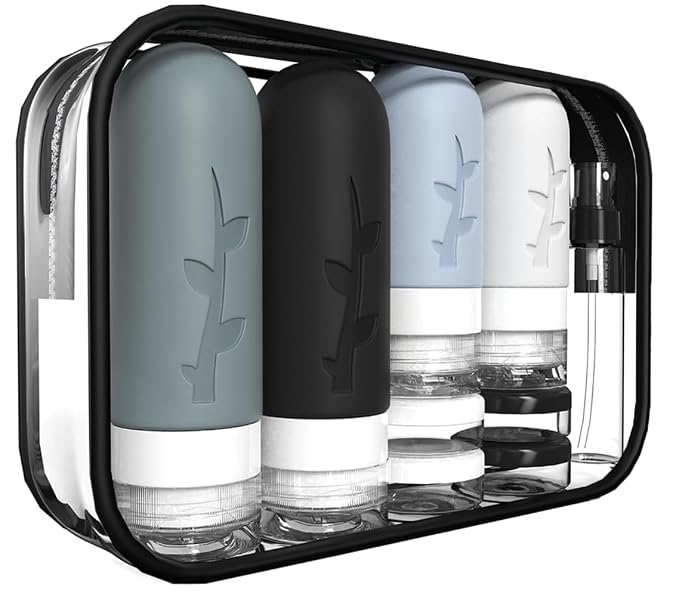
18pack Travel Bottles for Toiletries,TSA Approved Silicone Travel Containers for Toiletries,Leak Proof Refillable Liqus Shampoo And Conditioner travel Essentials toiletry Bottles
- 18 pack reusable travel bottles set with 1 toiletry bag
- Feature Two2 pcs silicone bottles (3 oz/90 ml), 2 pcs silicone bottles (2 oz/60 ml)Feature Two
- Feature Three2 pcs spray bottles , 4 pcs cream jars, 1 pcs funnels, labels, brush and 4 pcs spatula
- Tsa Approved Leak Proof Travel Toiletries Bottles
Final suggestion
A luxury African safari can offer far more than the opportunity to see the Big Five. Travelers may encounter predators, elephants, rhinos, giraffes, zebras, wildebeests, antelope, primates, birds, reptiles, amphibians, insects, and marine wildlife, depending on the destination and itinerary. The experience can become even more varied through the Great Wildebeest Migration, walking safaris, private-reserve excursions, night drives, birdwatching, wildlife photography, and coastal extensions. Choosing the right destination and season is important because different regions provide different habitats and wildlife experiences. Equally important is responsible wildlife viewing, which helps protect animals and their habitats for future generations. Whether you are watching elephants gather around a waterhole, following tracks on a walking safari, observing predators across an open plain, or listening to wildlife after sunset, a luxury African safari provides an opportunity to experience Africa’s natural world in a way that is both educational and memorable.