
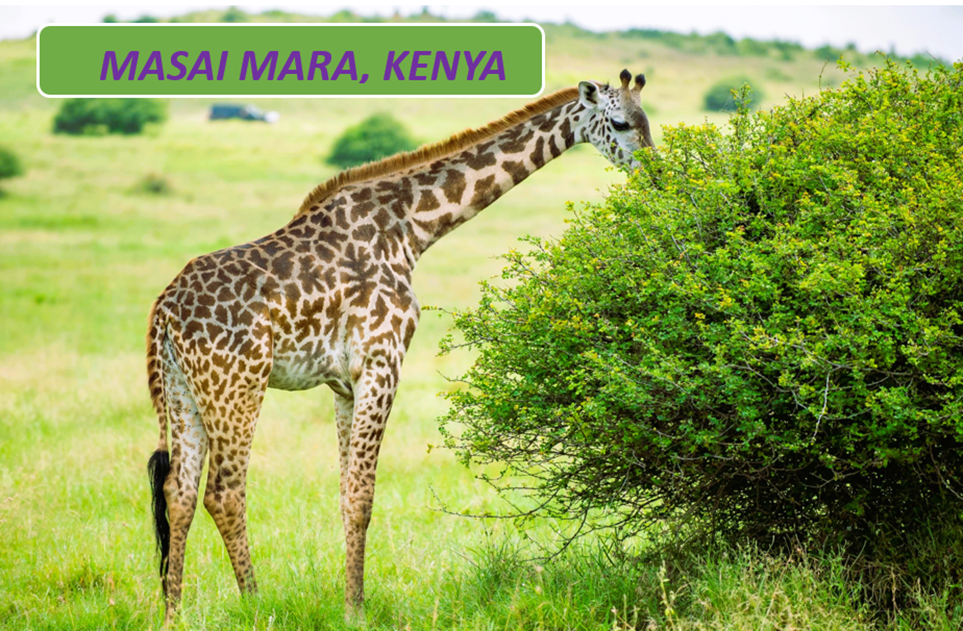
The Best Time to Visit the Masai Mara depends on your travel budget, wildlife interests, preferred weather, and the type of safari experience you want. The Masai Mara, located in southwestern Kenya, is one of Africa’s most famous wildlife destinations. It is known for its open savannahs, abundant wildlife, dramatic landscapes, and its role in the annual Great Migration.
The reserve offers excellent wildlife viewing throughout the year. However, different seasons create different safari experiences. The dry months can make wildlife easier to locate, while the wetter months transform the landscape into lush green scenery and can provide attractive conditions for photography and birdwatching. Kenya Wildlife Service also notes that Kenya’s parks and reserves offer year-round attractions, although seasonal weather affects road conditions and wildlife viewing. If your main goal is to see the Great Migration, July through October is generally the key period to consider. If you prefer lower visitor numbers and potentially lower accommodation prices, the wetter and shoulder periods may be more suitable.
Experience the Great Migration
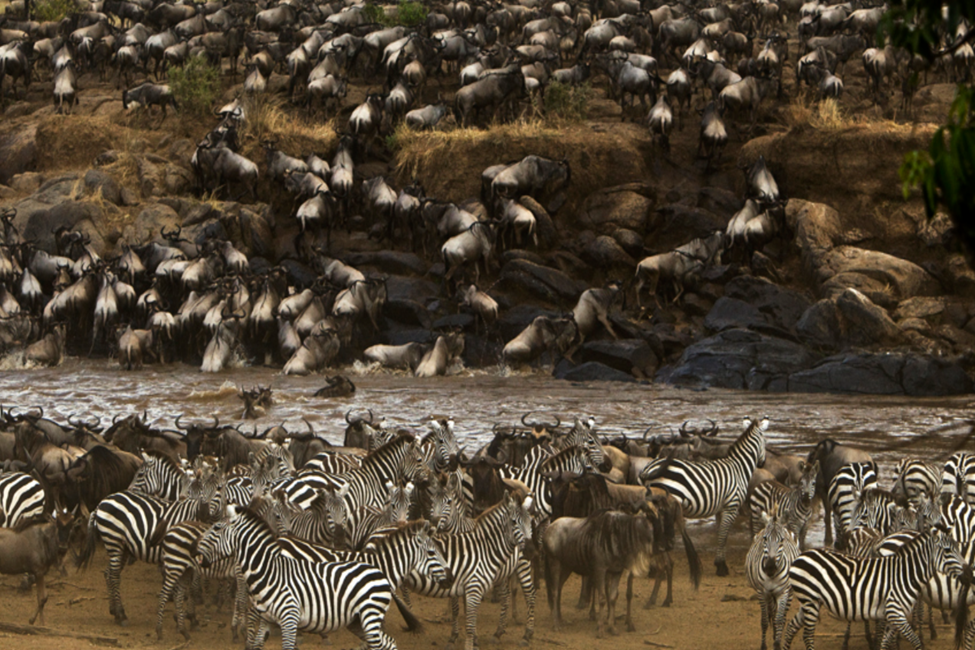
The Great Migration is one of the major reasons travelers choose to visit the Masai Mara. It is not a single event that happens on one fixed date. Instead, it is a year-round movement of wildebeest, zebra, and other grazing animals between the Serengeti and Masai Mara ecosystems as they respond to rainfall, water, and fresh grazing. The most famous phase occurs when large herds enter the Masai Mara, generally from July onward. During this period, some animals cross the Mara River, creating one of Africa’s most recognizable wildlife spectacles.
When Is the Best Time to See the Mara River Crossings?
July, August, and September are commonly associated with dramatic Mara River crossings, but travelers should not expect a crossing on a particular day. The timing depends on rainfall, grazing conditions, herd movements, and the behavior of the animals. Some herds may arrive earlier or later, while others may remain in different areas of the ecosystem. Kenya’s tourism information identifies July–August as a particularly notable period for migration-related river crossings. River crossings can be spectacular, but they are also unpredictable. The best strategy is to spend several days in the region rather than planning an entire safari around one specific crossing.
The migration also creates excellent predator-viewing opportunities. Lions, cheetahs, hyenas, crocodiles, and other predators can take advantage of the abundance of prey.
Shoulder Seasons: A Quieter, Scenic Alternative (April to June, November)
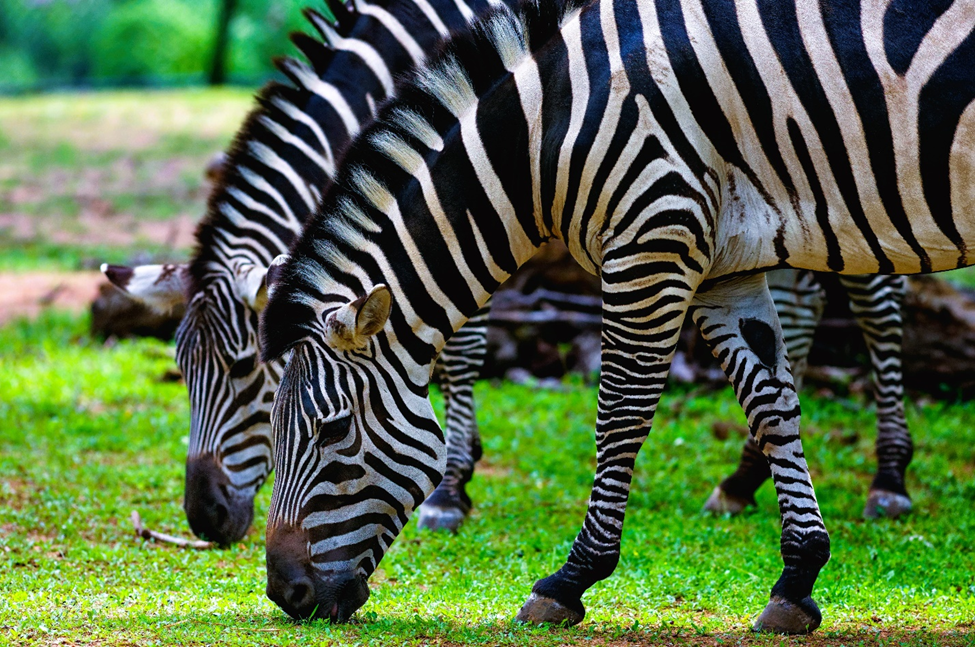
The shoulder and wetter periods can provide a different Masai Mara experience. April to June generally coincides with the long-rains period, while November is associated with the short rains. Scientific information on the Mara region identifies April–June as the longer rainfall period and November–December as a shorter rainfall period, although seasonal patterns can vary. During these months, rainfall can refresh the landscape and produce greener scenery. Travelers may encounter fewer visitors than during the busiest migration period, although visitor numbers and prices vary by camp, lodge, and exact travel dates.
April through June can also be attractive to travelers who want to consider lower-season safari options. However, rain can affect road conditions, and Kenya Wildlife Service notes that many park roads may require four-wheel-drive vehicles during the long rains. November can offer a balance between changing weather, green landscapes, wildlife activity, and potentially quieter safari conditions.
For travelers who value peaceful surroundings, dramatic skies, and green scenery, these periods can be an appealing alternative to peak-season travel.
The Green Season: A Photographer’s Dream (March to May)
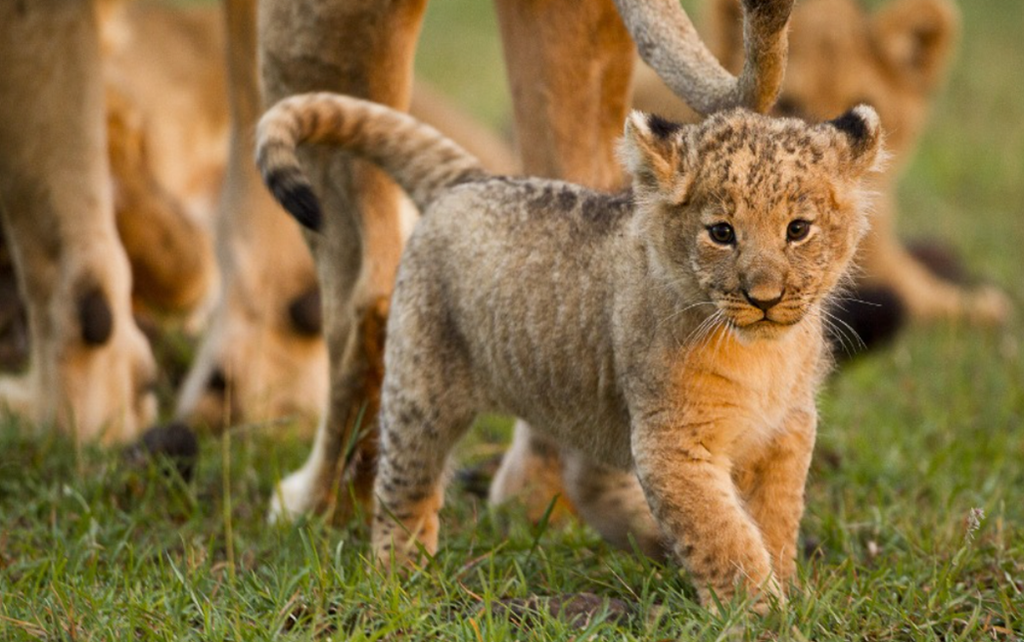
The green season can transform the Masai Mara into a vibrant landscape. Rainfall encourages fresh vegetation, and the combination of green grass, dramatic clouds, soft light, and wildlife can create excellent photography opportunities.
March can still fall within the relatively drier January–March period, while April and May are more strongly associated with the long rains. Therefore, it is more accurate to think of the green season as a transition into the wetter months rather than treating March through May as identical weather conditions. Wildlife remains active during the wetter period, although heavy rain can make some roads muddy and travel conditions more challenging.
Photographers may appreciate:
- Green savannah landscapes
- Dramatic skies and clouds
- Fresh vegetation
- Reflections after rainfall
- Bird activity
- Fewer vehicles in some areas
- Opportunities for atmospheric wildlife photographs
If photography and peaceful landscapes matter more to you than guaranteed dry weather, the wetter months may be the Best Time to Visit the Masai Mara for your particular travel style.
Masai Mara Month-by-Month Guide
Understanding the conditions throughout the year can make it easier to choose your travel dates.
| Month | General Conditions | Wildlife & Safari Experience |
| January | Generally warm and relatively dry | Good general wildlife viewing and comfortable safari conditions |
| February | Warm and relatively dry | Good conditions for game drives and wildlife photography |
| March | Seasonal transition | Greenery begins increasing as rainfall develops |
| April | Long-rains period | Lush scenery, fewer visitors in some areas, wetter roads |
| May | Long-rains period | Green landscapes and photography opportunities; rain can affect roads |
| June | Transition toward drier conditions | Wildlife viewing can improve as conditions dry |
| July | Drier conditions; migration activity | Strong period for migration-focused safaris |
| August | Dry season | Popular for wildlife viewing and possible river crossings |
| September | Dry season | Migration may continue; good general wildlife viewing |
| October | Generally drier but seasonal transition | Migration activity can continue while conditions begin changing |
| November | Short-rains period | Green landscapes, bird activity, and changing conditions |
| December | Generally warmer with variable rainfall | Good year-round wildlife opportunities and holiday-season demand |
This calendar is a planning guide rather than a guarantee. Rainfall patterns and wildlife movements can vary from year to year.
Best Time to Visit for Wildlife Viewing
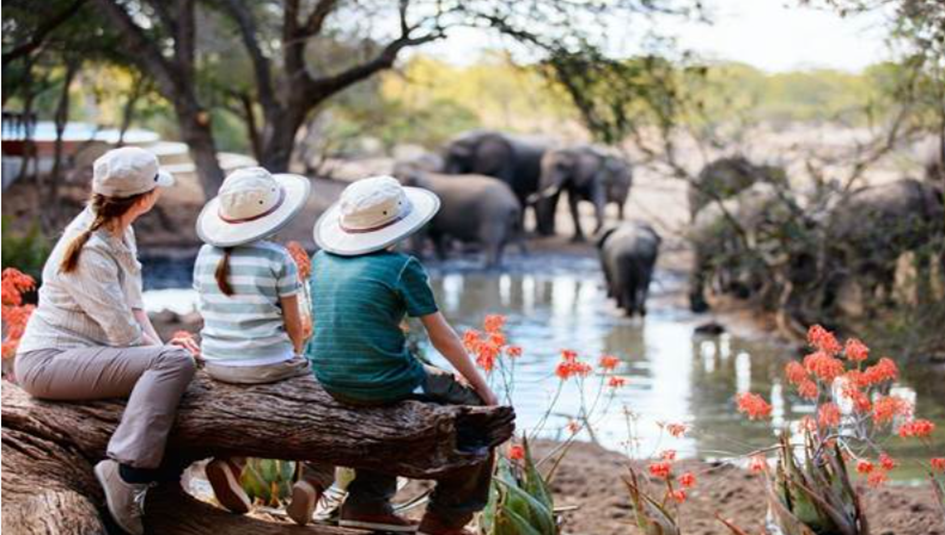
If your primary goal is general wildlife viewing, the drier periods are often easier for locating animals. Shorter grass and reduced water availability can concentrate wildlife around suitable habitats and water sources. Kenya Wildlife Service identifies dry, warm conditions as favorable for wildlife viewing and lists July–December and December–March among its higher tourism periods. However, wildlife does not disappear during the rainy season. The Masai Mara supports resident wildlife throughout the year, and official Kenyan tourism information states that game viewing is excellent year-round.
Therefore, you do not need to visit during the Great Migration to experience a rewarding safari.
Best Time for Birdwatching
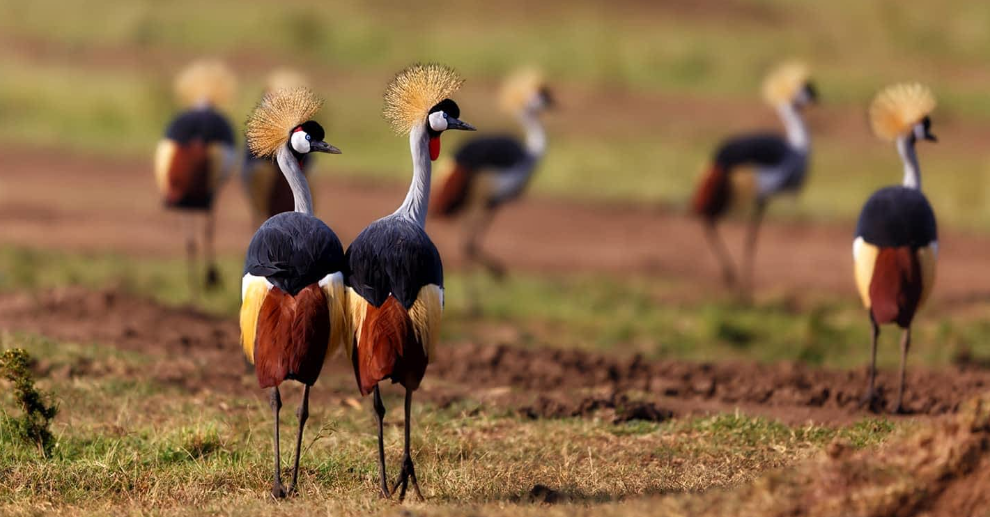
Birdwatching is possible throughout the year in the Masai Mara. However, wetter periods can be particularly interesting for bird enthusiasts because rainfall supports greener habitats and migratory birds pass through Kenya during certain periods. Kenya’s tourism information notes that birdwatching is good year-round and that the April and November rainy periods coincide with bird migration between Europe, Asia, and Africa. Travelers interested in birds should carry binoculars and consider spending time with a knowledgeable guide who can identify species by sight and call.
“Read our related Masai Mara travel guides for more tips on wildlife, timing, and safari planning”
Best Time for Wildlife Photography
The Best Time to Visit the Masai Mara for photography depends on the type of photographs you want.
The dry season can provide clear visibility, wildlife encounters, and opportunities to photograph animals against open grasslands. Migration season can add large herds and dramatic predator-prey interactions.
The wetter months provide a different photographic style. Green grass, dramatic clouds, fresh vegetation, and softer light can create colorful landscape images.
For photographers, it is useful to consider more than just wildlife numbers. Light, weather, landscape conditions, vehicle traffic, and the amount of time available in the reserve can all influence the quality of a photographic experience.
Best Time for a Budget Safari
Travelers working with a limited budget may want to consider periods outside the busiest migration months. Peak travel periods can bring greater demand for camps, lodges, vehicles, and guides. In contrast, some properties may offer lower rates or special packages during quieter periods. However, price differences vary significantly between accommodations. Always compare the full package rather than looking only at the nightly rate. Check whether the price includes meals, game drives, park or conservation fees, transfers, drinks, and other activities. A lower room rate may not necessarily produce a lower total safari cost.
Best Time for Families
Families should consider weather, road conditions, accommodation availability, and children’s comfort when choosing travel dates. The relatively dry periods can make road travel easier and may provide favorable conditions for game drives. Families traveling during wetter months should prepare for possible rain and muddy roads. Morning game drives can also be cool, so children should have warm layers that can be removed as temperatures rise. Kenya Wildlife Service recommends adaptable clothing because safari conditions can range from warm or hot days to cool or cold mornings and nights. Families should also check the minimum age requirements for walking safaris, balloon flights, and other activities before booking.
Crowds and the Masai Mara Safari Experience
Visitor numbers can influence the atmosphere of a safari. July through October is highly popular because of the combination of favorable wildlife-viewing conditions and migration activity. During busy periods, popular sightings may attract several safari vehicles. If you prefer a quieter experience, consider traveling outside the busiest migration period or staying in a conservancy adjacent to the main reserve. Private conservancies can offer different safari experiences and may have their own rules and activities. However, the experience varies by property and location, so travelers should research their specific camp or lodge rather than assuming that every area will have the same crowd levels.
Weather in the Masai Mara: What to Expect
The Masai Mara has a seasonal rainfall pattern, but weather can vary from year to year.
The region generally experiences:
- A longer dry period around July–October
- A shorter dry period around January–March
- Longer rains around April–June
- Short rains around November–December
These periods are not completely fixed. Rainfall can begin earlier or later, and individual days can differ considerably. Early mornings can feel cool, particularly during game drives. Afternoons are generally warmer, while rain can occur during wetter periods. For this reason, pack clothing that works in layers rather than relying on one type of outfit.
What to Pack for the Masai Mara
Your packing list should reflect the season of your visit.
Useful items include:
- Lightweight long-sleeved shirts
- Comfortable trousers
- Warm layers for early mornings
- Hat and sunglasses
- Comfortable walking shoes
- Rain jacket during wetter months
- Sunscreen
- Insect repellent
- Binoculars
- Camera and spare batteries
- Reusable water bottle
- Small flashlight or headlamp
Kenya Wildlife Service recommends adaptable clothing, long trousers or shirts, hats, sunglasses, suitable shoes, insect repellent, binoculars, and other practical safari essentials.
Best Time for a Hot-Air Balloon Safari
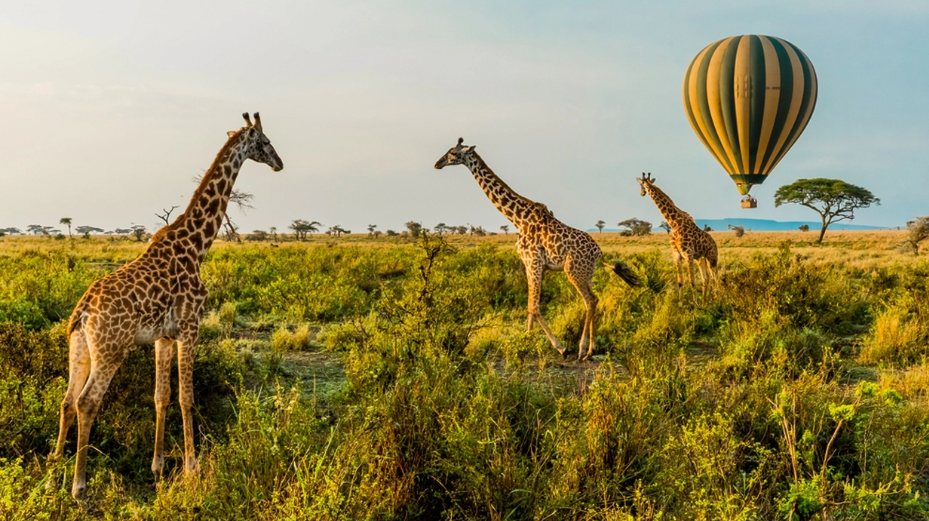
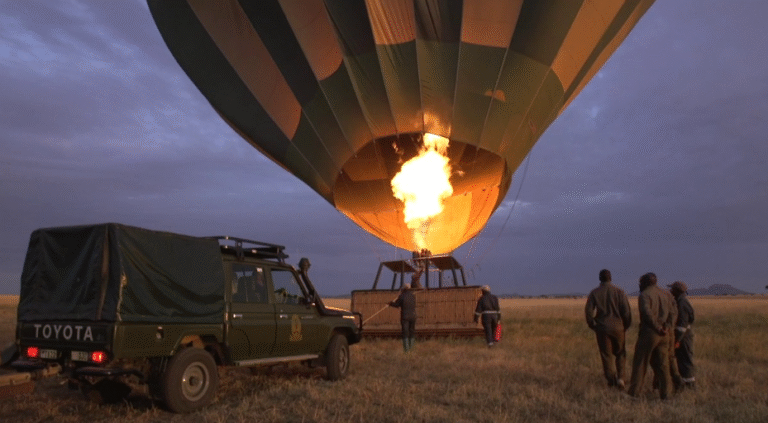
A hot-air balloon safari is one of the memorable ways to experience the Masai Mara from above. Flights generally take place early in the morning, when wind and weather conditions are suitable. The experience is particularly attractive during migration season because large groups of wildebeest and zebra may be visible across the landscape. However, the exact wildlife visible from the balloon depends on animal movements on the day. Balloon flights are weather-dependent, so operators may delay or cancel flights when conditions are unsuitable.
Is the Masai Mara Worth Visiting During the Rainy Season?
Yes. A rainy-season safari can still provide excellent wildlife experiences.
The main advantages include:
- Green and attractive landscapes
- Dramatic skies
- Fewer visitors in some periods
- Potentially lower accommodation rates
- Excellent photography conditions
- Increased bird activity
The main disadvantages can include:
- Muddy roads
- Sudden rain showers
- More difficult driving conditions
- Less predictable weather
- Some activities becoming weather-dependent
Kenya Wildlife Service specifically notes that roads may require four-wheel-drive vehicles during the April–June long rains. Therefore, the rainy season is not necessarily a bad time to visit. It simply provides a different type of safari experience.
When to Avoid the Masai Mara
There is no single period that every traveler should avoid. The right timing depends on your priorities. You may want to reconsider the wettest months if you strongly prefer dry roads and predictable game-drive conditions. You may also want to avoid the busiest travel dates if your main priority is a quieter safari. Likewise, travelers focused specifically on the Great Migration should not assume that visiting outside the migration period will provide the same experience. Instead of asking, “Which months should I avoid?” consider asking, “Which seasonal conditions best match my safari goals?”
How Long Should You Stay in the Masai Mara?
The ideal length of stay depends on your interests and overall itinerary.
2–3 Days
A two- or three-day stay can provide several game drives and a useful introduction to the reserve.
4–5 Days
Four to five days allow more flexibility. You can explore different areas, enjoy multiple game drives, and increase your chances of experiencing interesting wildlife behavior.
6 Days or More
A longer stay works well for travelers who want a slower safari, photography opportunities, migration-focused viewing, or additional activities.
If you are specifically visiting for the Great Migration, allowing several days is useful because animal movements and river crossings cannot be predicted precisely.
Best Time to Visit the Masai Mara Based on Your Interests
| Travel Goal | Period to Consider | Main Reason |
| General wildlife viewing | July–October or January–March | Generally drier conditions |
| Great Migration | July–October | Major migration activity in the Mara |
| River crossings | Often July–September | Crossing activity can occur during this period but is unpredictable |
| Green landscapes | Rainier months | Fresh vegetation and greener scenery |
| Photography | Dry or green season | Different lighting and landscape opportunities |
| Birdwatching | Year-round, with rainy periods of interest | Resident and migratory birds |
| Lower-season travel | April–June or other quieter periods | Potentially fewer visitors and different pricing |
| Family safari | Drier periods | Generally easier road and game-drive conditions |
| Peaceful safari | Shoulder/low periods | Potentially fewer visitors |
These are planning guidelines rather than guarantees because weather, wildlife movements, accommodation prices, and visitor numbers change.
Tips for Choosing the Best Time to Visit the Masai Mara
Before booking your safari, consider these important factors:
Wildlife: The dry season can make wildlife easier to locate, but resident animals are present throughout the year.
Great Migration: July–October is the main period associated with the migration in the Mara, but exact herd movements vary.
Cost: Shoulder and lower-demand periods may provide more affordable accommodation options.
Photography: The dry season offers clear wildlife-viewing conditions, while wetter months can provide green scenery and dramatic skies.
Crowds: Migration season is popular, so quieter periods may provide a different atmosphere.
Weather: Dry periods generally make road travel easier, while long rains can create muddy conditions.
Activities: Check weather and age restrictions for balloon flights, walking safaris, horseback activities, and other experiences.
Accommodation: Book well in advance if you plan to travel during the popular July–October period.
Preparing for Your Masai Mara Safari?
Get ready for your adventure with practical travel essentials and safari gear available on Amazon.
Explore AMAZON TRAVEL PRODUCTS
Final suggestion
The Best Time to Visit the Masai Mara ultimately depends on what you want from your safari.
For travelers interested in the Great Migration and generally dry conditions, July to October is an important period to consider. The Mara can also provide excellent wildlife viewing outside migration season, making it possible to plan a safari around your budget, preferred weather, and personal interests. The wetter months offer their own attractions, including greener landscapes, changing skies, bird activity, and potentially quieter conditions. The long rains can make roads more challenging, but they do not eliminate the possibility of an enjoyable safari. Most importantly, remember that nature does not follow an exact calendar. Migration movements, rainfall, animal behavior, and river crossings can change from one year to another. Whether you visit during the dry season, migration period, or green season, the Masai Mara offers an opportunity to experience Kenya’s remarkable wildlife and landscapes throughout the year.

One Comment