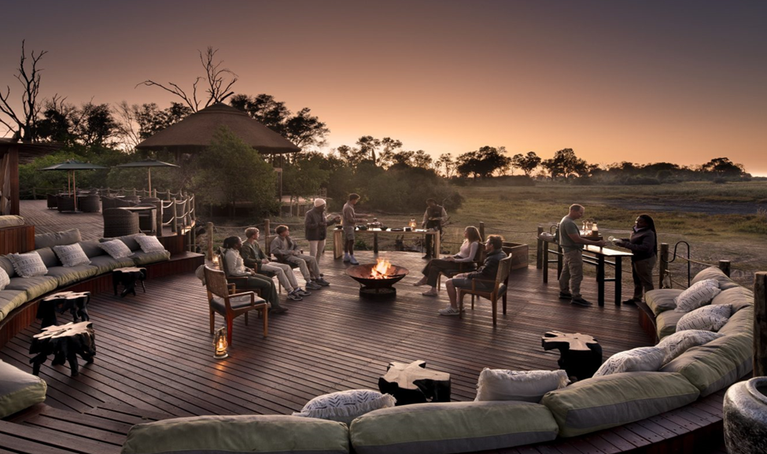
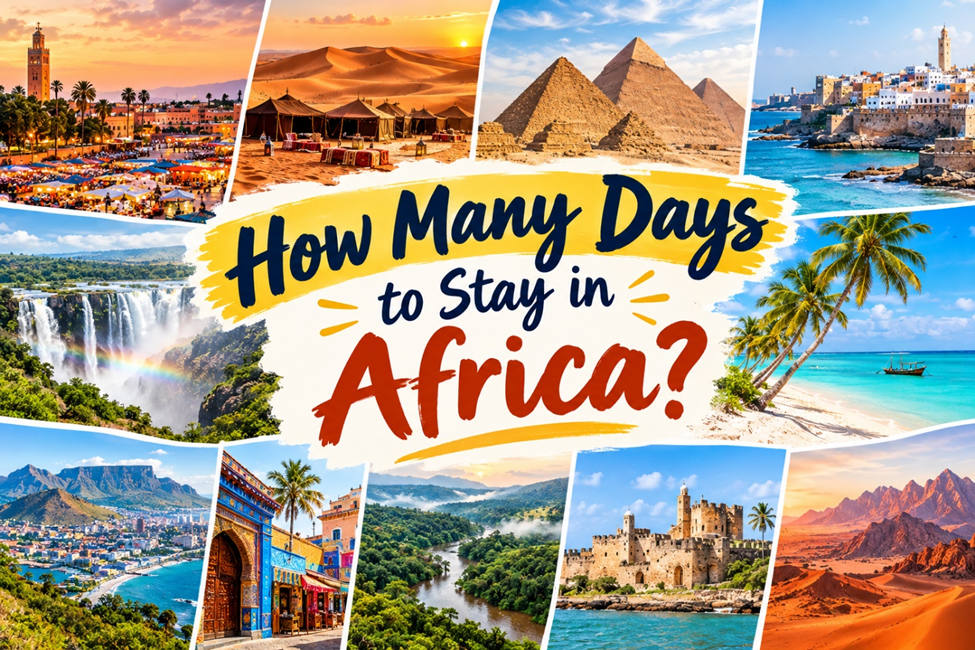
Africa is one of the world’s most diverse travel destinations, offering ancient historical sites, vibrant cities, tropical beaches, dramatic mountains, vast deserts, rainforests, cultural experiences, and exceptional wildlife. With more than 50 countries to explore, planning an African trip can feel overwhelming at first. The right trip length depends on your destinations, interests, budget, travel style, and the amount of time you can spend traveling. If you are wondering How Many Days to Stay in Africa, the answer depends largely on whether you want to explore one country, combine several destinations, or travel across a specific region. Whether you want to explore the pyramids of Egypt, walk through the medinas of Morocco, enjoy a safari in East Africa, discover the beaches of Zanzibar, visit Victoria Falls, explore Cape Town, experience West African culture, or venture into Central Africa, this guide provides practical itinerary ideas and planning information.
Why Planning Your Africa Trip Matters
Africa is enormous, and travel between countries can take considerable time. A carefully planned itinerary helps you make better use of your vacation while avoiding unnecessary connections and rushed travel days.
Save Time
Planning your route before departure helps you understand distances between destinations and choose suitable transportation. Some journeys work well by road or rail, while others are better suited to domestic or regional flights.
Control Your Budget
Your travel costs can vary significantly depending on the destination and travel style. A clear itinerary allows you to estimate accommodation, transportation, food, activities, entrance fees, and other expenses.
Prepare for Entry Requirements
Each country has its own visa and entry requirements. Multi-country itineraries require additional research because you may need separate visas, transit documentation, or health certificates.
Choose the Right Season
Africa has several climate zones, so the ideal travel period varies by destination. Weather can influence beach holidays, hiking, wildlife viewing, road conditions, and outdoor activities.
Make the Most of Your Experience
Good planning does not mean filling every hour with activities. Instead, it allows you to balance sightseeing, transportation, relaxation, and free time. For these reasons, understanding How Many Days to Stay in Africa can help you create a realistic itinerary that gives each destination enough time.
How to Decide How Many Days to Stay in Africa
There is no universal number of days that works for every traveler. Africa is a continent, not a single destination, so your ideal trip length depends on the countries and experiences you want to include.
Consider Your Main Travel Goals
First, identify what you want from your trip. You may want to focus on:
- History and archaeology
- Beaches and islands
- Wildlife and nature
- Mountains and hiking
- African cities
- Local food
- Cultural experiences
- Adventure activities
- Luxury travel
- Road trips
Consider Travel Time
A major factor when deciding How Many Days to Stay in Africa is the time required to move between destinations. A short flight can sometimes save an entire day compared with a long road journey.
Consider Your Budget
Longer trips naturally require additional accommodation, food, transportation, and activity expenses. However, staying longer in fewer destinations can sometimes provide better value than constantly moving between countries.
Consider the Region
Each African region offers different experiences. North Africa may suit history and desert travel, East Africa is known for wildlife and beaches, Southern Africa offers diverse landscapes and road-trip opportunities, West Africa provides rich cultural experiences, and Central Africa offers rainforest and nature adventures.
Best Africa Itineraries by Region
The following itineraries provide starting points rather than fixed schedules. You can shorten, extend, or modify them according to your interests and budget.
1. North Africa Itinerary
North Africa combines ancient history, Islamic architecture, colorful markets, Mediterranean beaches, mountain landscapes, and desert adventures. Popular destinations include Morocco, Egypt, Tunisia, and Algeria.
Recommended Duration: 7–14 Days
Morocco Itinerary: 7 Days
Days 1–2: Marrakech
Explore the medina, souks, historic architecture, gardens, and traditional markets. Spend time in Jemaa el-Fnaa and explore local restaurants and cultural attractions.
Day 3: Marrakech to the Atlas Mountains
Take a day trip into the Atlas Mountains. Depending on the season and route, you can visit mountain villages, enjoy scenic walks, and experience local culture.
Days 4–5: Sahara Desert
Travel toward the desert and experience dunes, traditional villages, desert landscapes, and an overnight desert camp.
Days 6–7: Fes or Casablanca
Explore historic neighborhoods, markets, museums, and architectural attractions before departure.
Egypt Extension
If ancient history is your priority, consider extending your trip to Cairo and Giza. You can explore the Giza pyramid complex, museums, historic neighborhoods, and the Nile before continuing to another Egyptian destination.
North Africa Highlights
- Ancient Egyptian sites
- Moroccan medinas
- Sahara Desert
- Atlas Mountains
- Historic mosques
- Mediterranean coastline
- Traditional markets
- Local cuisine
- Museums and archaeological sites
North Africa Planning Tips
Morocco has useful rail connections between several major cities, while longer desert journeys generally require road transportation or organized tours. Egypt requires careful planning because major attractions are spread across different areas. A Nile cruise can also provide a convenient way to combine several historical destinations.
2. East Africa Itinerary
East Africa is ideal for travelers interested in wildlife, mountains, beaches, culture, and outdoor adventures. Popular destinations include Kenya, Tanzania, Uganda, Rwanda, and Zanzibar.
Recommended Duration: 10–21 Days
Kenya and Tanzania Itinerary: 12–14 Days
Days 1–2: Nairobi
Explore selected cultural attractions, museums, markets, and city experiences.
Days 3–5: Maasai Mara
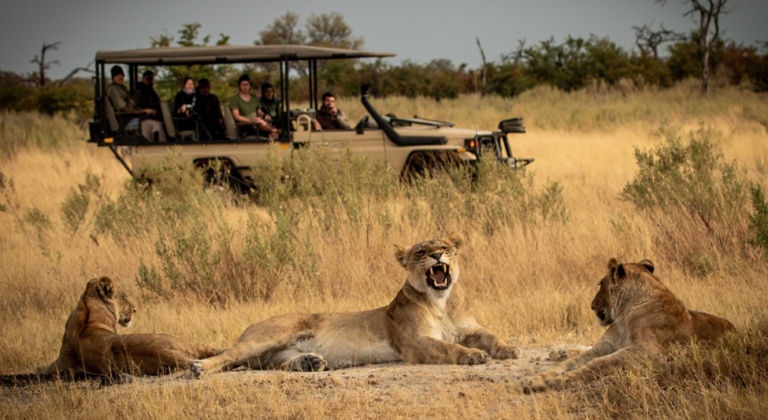
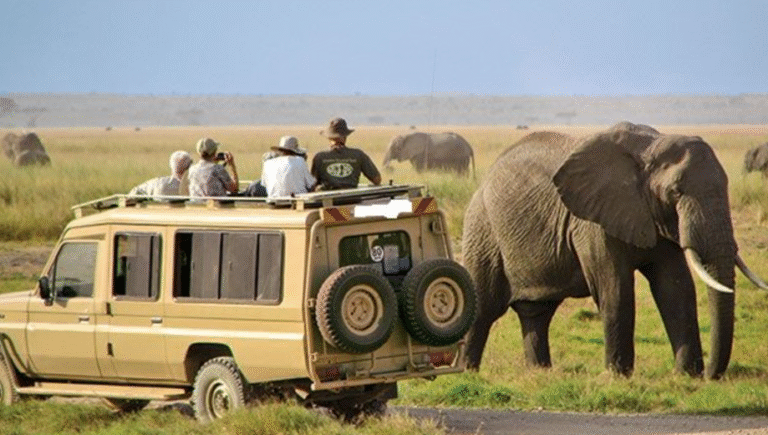
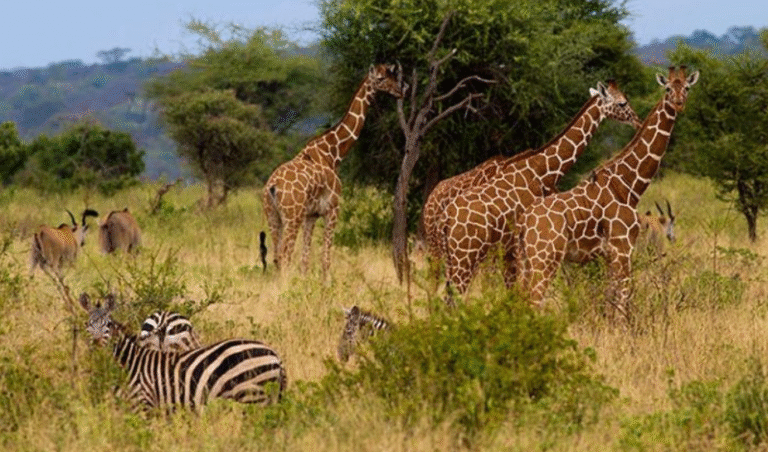
Spend several days exploring the reserve and surrounding areas. Game drives can provide opportunities to see lions, elephants, giraffes, buffalo, and other wildlife. During suitable seasonal periods, travelers may also have opportunities to witness parts of the Great Migration.
Days 6–8: Serengeti
Continue to Tanzania for a wildlife-focused experience in the Serengeti. Allow enough time for transportation between Kenya and Tanzania because border crossings and road transfers can take considerable time.
Days 9–10: Ngorongoro Area
Explore the Ngorongoro region and surrounding cultural and natural attractions.
Days 11–14: Zanzibar
Finish your journey with a relaxing coastal stay. Enjoy beaches, historic Stone Town, snorkeling, diving, boat excursions, and local cuisine.
Rwanda and Uganda Extension
Travelers interested in primates can add Rwanda or Uganda.
Possible experiences include:
- Gorilla trekking
- Chimpanzee tracking
- Forest walks
- Birdwatching
- Mountain scenery
- Cultural experiences
Gorilla trekking requires advance planning because permits are limited and regulations apply.
East Africa Highlights
- Maasai Mara
- Serengeti
- Ngorongoro
- Zanzibar
- Mount Kilimanjaro
- Gorilla trekking
- Chimpanzee experiences
- Great Migration
- Indian Ocean beaches
- East African cuisine and culture
East Africa Planning Tips
Do not underestimate travel times between destinations. Combining safari areas with Zanzibar or mountain trekking often requires domestic flights or carefully arranged road transfers.
3. Southern Africa Itinerary
Southern Africa offers an excellent combination of cities, wildlife, waterfalls, deserts, beaches, mountains, and road-trip opportunities. Popular destinations include South Africa, Namibia, Botswana, Zambia, and Zimbabwe.
Recommended Duration: 12–21 Days
South Africa Itinerary: 10 Days
Days 1–3: Cape Town
Explore Table Mountain, the V&A Waterfront, beaches, museums, historic areas, and nearby scenic attractions. A Cape Peninsula Day trip can add coastal scenery and viewpoints.
Days 4–5: Winelands or Garden Route
Choose between the Cape Winelands and a road trip toward the Garden Route depending on your interests.
Days 6–8: Kruger National Park
Travel to the Kruger region for wildlife viewing and guided or self-drive experiences.
Days 9–10: Johannesburg
Explore selected museums, historical attractions, restaurants, and cultural sites before departure.
Victoria Falls Extension
Add two or three days for Victoria Falls in Zambia or Zimbabwe.
Activities may include:
- Waterfall viewpoints
- Boat cruises
- Scenic flights
- Walking tours
- Adventure activities
- Wildlife excursions
Namibia Extension
Travelers interested in landscapes can extend their journey to Namibia.
Popular attractions include:
- Sossusvlei
- Namib Desert
- Etosha National Park
- Fish River Canyon
- Swakopmund
- Skeleton Coast
Botswana Extension
Botswana is particularly attractive for travelers seeking nature and wildlife experiences. Possible destinations include the Okavango Delta, Chobe National Park, and surrounding conservation areas.
Southern Africa Highlights
- Cape Town
- Kruger National Park
- Victoria Falls
- Namib Desert
- Sossusvlei
- Okavango Delta
- Chobe National Park
- Etosha National Park
- South African coastline
- Drakensberg Mountains
4. West Africa Itinerary
West Africa provides a different travel experience, with strong cultural traditions, historic sites, music, cuisine, markets, festivals, beaches, and vibrant cities. Popular destinations include Ghana, Senegal, Côte d’Ivoire, Nigeria, and The Gambia.
Recommended Duration: 7–14 Days
Ghana Itinerary: 7 Days
Days 1–3: Accra
Explore markets, museums, cultural attractions, restaurants, and historical sites.
Days 4–5: Cape Coast
Visit historic coastal attractions and learn about the region’s history.
Days 6–7: Return to Accra
Use the final days for shopping, food experiences, cultural activities, and departure preparations.
Senegal Extension
Add Dakar and nearby attractions for a broader West African experience.
Possible experiences include:
- Dakar markets
- Museums
- Local music
- Traditional cuisine
- Gorée Island
- Coastal scenery
West Africa Highlights
- African history
- Traditional music
- Local cuisine
- Markets
- Coastal beaches
- Museums
- Historic landmarks
- Cultural festivals
- Contemporary city life
West Africa Planning Tips
Transportation and infrastructure vary between countries. Research border procedures, domestic transportation, seasonal weather, and local travel conditions before combining several countries.
5. Central Africa Itinerary
Central Africa offers forests, biodiversity, wildlife, cultural experiences, and some of the continent’s more remote travel environments. Potential destinations include Cameroon, Gabon, the Democratic Republic of the Congo, and the Republic of the Congo.
Recommended Duration: 8–14 Days
Cameroon Itinerary
Days 1–2: Yaoundé
Explore the capital and experience local markets, museums, restaurants, and cultural attractions.
Days 3–6: Nature and Wildlife
Depending on local conditions and available tours, explore protected areas and nature destinations with qualified guides.
Days 7–8: Cultural Experiences
Visit local communities and learn about regional traditions through responsible tourism experiences.
Gorilla and Forest Experiences
Travelers interested in Central African forests can explore opportunities for gorilla tracking, primate observation, birdwatching, and rainforest excursions where permitted. Because some destinations have limited infrastructure, guided travel and advance logistical planning can be especially important.
Central Africa Highlights
- Tropical rainforests
- Gorilla experiences
- Primates
- Birdwatching
- Wildlife
- Cultural communities
- Eco-tourism
- Remote natural landscapes
Africa Itineraries by Trip Length
Your available time should determine how many destinations you include. If you are asking How Many Days to Stay in Africa, the following trip lengths provide practical starting points.
7-Day Africa Trip
Focus on one country or a compact region.
Examples:
- Marrakech + Atlas Mountains
- Cairo + Giza
- Cape Town + nearby attractions
- Nairobi + Maasai Mara
- Accra + Cape Coast
- Zanzibar
A seven-day trip works best when you avoid adding too many long-distance transfers.
10-Day Africa Trip
You can combine two or three nearby experiences.
Examples:
- Kenya safari + Zanzibar
- Cape Town + Kruger
- Morocco cities + Sahara
- Ghana cultural route
- Egypt historical itinerary
Ten days provide more flexibility, but you should still avoid excessive backtracking.
14-Day Africa Trip
Two weeks provide more flexibility for combining destinations. For many first-time travelers, this can be a useful starting point when deciding How Many Days to Stay in Africa.
Examples:
- Kenya + Tanzania
- Cape Town + safari + Victoria Falls
- Morocco + Egypt
- South Africa + Namibia
- Ghana + Senegal
21-Day Africa Trip
Three weeks can support a more extensive regional itinerary.
Examples:
- Kenya + Tanzania + Zanzibar
- South Africa + Botswana + Victoria Falls
- Morocco + Egypt
- Namibia + Botswana + South Africa
This duration allows you to spend several days in each destination instead of constantly moving.
30-Day Africa Trip
A month allows you to combine several countries, but careful route planning becomes essential. Consider selecting countries that connect efficiently by air or land rather than crossing the continent repeatedly. For travelers who want a broader experience, 30 days can provide enough time to combine cities, nature, wildlife, beaches, and cultural experiences.
Multi-Country Africa Itineraries
Combining multiple countries can create an exciting trip, but it also increases logistical complexity.
East + Southern Africa
A possible route:
Nairobi → Maasai Mara → Serengeti → Victoria Falls → Cape Town
This itinerary combines wildlife, waterfalls, adventure, and city experiences.
North + East Africa
A possible route:
Cairo → Marrakech → Nairobi → Zanzibar
This combination provides history, culture, wildlife, and beaches.
Southern Africa Route
A longer route could include:
Cape Town → Namibia → Botswana → Victoria Falls
This itinerary focuses on landscapes, wildlife, road travel, and natural attractions.
West Africa Route
A possible route could include:
Accra → Cape Coast → Dakar
This combination provides cultural, historical, coastal, and urban experiences. When creating multi-country itineraries, always account for flight schedules, border crossings, visa requirements, baggage rules, travel time, and possible delays.
Best Time for an Africa Trip
There is no single best month for visiting every African country.
January to March
These months can be suitable for:
- East African wildlife experiences
- Southern African summer travel
- Beach holidays
- Certain mountain and cultural trips
Some regions experience substantial rainfall, so check destination-specific conditions.
April to May
Many destinations experience shoulder or rainy seasons. Travelers may find fewer visitors and potentially lower accommodation prices in some areas.
June to August
These months are popular for many wildlife destinations, especially in East and Southern Africa. They can also be suitable for city sightseeing and some outdoor activities depending on the destination.
September to October
These months can offer favorable conditions in several Southern and East African destinations. They are also popular for wildlife-focused travel in selected areas.
November to December
Conditions vary significantly. Some destinations enter rainy periods while others offer excellent beach or summer experiences. Always research the exact destination before finalizing your itinerary.
Transportation for Africa Travel
Transportation can significantly influence how long you need to spend in Africa.
Flights
Flights are often the fastest way to travel between distant countries and major cities. For multi-country journeys, compare direct routes with connections through major regional hubs.
Domestic Flights
Domestic flights can save substantial time when traveling between safari areas, islands, remote regions, and major cities.
Trains
Some countries offer useful passenger rail networks, including routes that connect major cities and tourist destinations.
Buses
Buses can be an affordable option for shorter and medium-distance journeys. However, travel time and comfort vary by route.
Ferries
Ferries can be useful for selected coastal and island routes, including travel between mainland areas and islands. Self-drive travel can provide flexibility in destinations with suitable roads and rental infrastructure. Before driving, check local traffic rules, insurance requirements, road conditions, fuel availability, and border-crossing regulations.
Private Transfers and Guides
Private transportation can make complex itineraries easier, especially when visiting remote areas or combining multiple activities.
Accommodation for Africa Travel
Accommodation should match your route and travel style.
Budget Accommodation
Hostels, guesthouses, campsites, and simple hotels can help travelers control costs.
Mid-Range Accommodation
Mid-range hotels, boutique properties, lodges, and guesthouses provide a balance between comfort and cost.
Luxury Accommodation
Luxury travelers can choose high-end hotels, private villas, luxury lodges, premium resorts, and exclusive camps.
Safari Lodges and Camps
Wildlife destinations offer a wide range of safari accommodation. Always check whether meals, activities, park fees, transfers, and other services are included.
Beach Resorts
Coastal destinations provide everything from affordable hotels to luxury beachfront resorts. When booking, check the property’s location, cancellation policy, included meals, transportation, taxes, and additional charges.
Budget Planning for Africa Travel
Your total trip cost depends heavily on destination and travel style.
Budget Travel
Budget travelers can reduce expenses by:
- Using public transportation
- Staying in guesthouses
- Eating at local restaurants
- Booking shared tours
- Traveling during shoulder seasons
- Staying longer in fewer destinations
Mid-Range Travel
Mid-range travelers can combine comfortable hotels, selected private transfers, organized tours, and local restaurants.
Luxury Travel
Luxury itineraries can include:
- Five-star hotels
- Luxury safari lodges
- Private guides
- Private vehicles
- Premium flights
- Exclusive excursions
- Private transfers
- High-end beach resorts
Do not create your budget based only on accommodation prices. Include transportation, visas, insurance, meals, activities, entrance fees, tips, and emergency funds.
Visa and Entry Requirements
Visa rules differ by nationality and destination.
Before booking your trip, check:
- Passport validity
- Visa requirements
- E-visa availability
- Visa-on-arrival rules
- Processing times
- Visa fees
- Return or onward-ticket requirements
- Proof of accommodation
- Health documentation
- Border requirements
If your itinerary includes several countries, check each country’s requirements separately. Do not assume that entering one African country automatically gives you entry rights into another.
Health, Vaccinations and Travel Insurance
Health preparation should begin before departure.
Depending on your destination, you may need routine vaccinations, destination-specific vaccines, preventive medication, insect protection, or other health precautions. Consult a qualified healthcare professional or travel clinic before your trip, particularly if you plan to visit remote or tropical regions.
Travel Insurance
Choose insurance that fits your itinerary.
Consider coverage for:
- Medical treatment
- Emergency evacuation
- Trip cancellation
- Travel delays
- Lost baggage
- Medical emergencies
- Adventure activities where applicable
Read the policy carefully before purchasing.
Packing for Africa Travel
Your packing list should depend on your destination and activities.
General Essentials
Pack:
Consider neutral-colored practical clothing, comfortable footwear, sun protection, insect protection, and suitable camera equipment.
- Comfortable walking shoes
- Lightweight clothing
- Warm layers
- Sun protection
- Sunglasses
- Hat
- Personal medicines
- Travel documents
- Phone
- Chargers
- Universal adapter
- Power bank
- Reusable water bottle
Safari and Nature Trips
Consider neutral-colored practical clothing, comfortable footwear, sun protection, insect protection, and suitable camera equipment.
Beach Holidays
Pack swimwear, light clothing, sandals, sun protection, and suitable waterproof protection for electronics.
Mountain Trips
Pack appropriate hiking footwear, warm layers, rain protection, and equipment suitable for the altitude and trail conditions. Avoid overpacking because domestic and regional flights may have strict baggage restrictions.
Safety Tips for Africa Travel
Safety conditions vary between countries, cities, and regions. Research your specific destination before departure and follow local guidance.
Protect Your Valuables
Keep valuables secure and avoid displaying expensive electronics or large amounts of cash unnecessarily.
Use Reputable Transportation
Use reputable taxi services, established ride-hailing services, licensed guides, and trusted tour operators where available.
Stay Aware
Be particularly careful in crowded areas and unfamiliar neighborhoods.
Respect Wildlife Rules
When visiting wildlife areas, maintain a safe distance, follow your guide’s instructions, and never feed or approach wild animals.
Keep Important Documents Safe
Store copies of your passport, visa, insurance documents, reservations, and emergency contacts.
Food and Cultural Experiences
Food and culture can be central parts of your African journey. Try local dishes at reputable restaurants and food markets, and research local dining customs before arrival. African cuisine varies widely between regions and may include grilled meats, stews, rice dishes, flatbreads, seafood, vegetables, fruit, and traditional beverages.
Cultural experiences can include:
- Local markets
- Museums
- Historical sites
- Traditional music
- Dance
- Festivals
- Cooking experiences
- Community visits
- Craft markets
- Religious and architectural sites
Always ask permission before photographing people and respect local customs.
Internet, SIM Cards and Connectivity
Connectivity varies between urban and remote areas.
Travelers can consider:
- Local SIM cards
- eSIMs
- International roaming
- Hotel Wi-Fi
- Portable hotspots
Download offline maps, travel documents, translation tools, and important booking information before entering areas with limited connectivity.
Responsible Travel in Africa
Responsible tourism can help protect natural environments and support local communities.
Support Local Businesses
Consider locally owned accommodation, restaurants, guides, craftspeople, and tour operators.
Respect Wildlife
Never feed wild animals or encourage unnatural wildlife interactions for photographs.
Protect Natural Areas
Follow Park rules, avoid littering, and remain on designated routes where required.
Respect Communities
Learn about local customs, dress appropriately where required, and ask permission before taking photographs.
Choose Ethical Wildlife Experiences
Research operators carefully and avoid experiences that exploit or mistreat animals.
Africa Itineraries by Travel Style
Solo Travel
For solo travelers, choosing destinations and transportation systems that match their experience level can make the journey smoother and more comfortable. In addition, research accommodation options, neighborhood safety, local transport, communication methods, and cultural expectations carefully before departure.
Family Travel
Families should consider child-friendly accommodation, travel distances, activity age limits, medical access, and transportation comfort.
Couples and Honeymoons
Couples can combine luxury accommodation, beaches, city experiences, cultural activities, and nature.
Budget Travel
Budget travelers can use guesthouses, local transportation, shared tours, and local restaurants to control costs.
Luxury Travel
Luxury travelers can build customized itineraries around private guides, high-end accommodation, private transportation, and exclusive experiences.
Adventure Travel
Adventure-focused itineraries can include hiking, diving, rafting, mountain climbing, desert excursions, cycling, and other outdoor activities.
Common Mistakes When Planning an Africa Trip
Trying to See Too Much
Do not attempt to visit too many countries during a short vacation.
Ignoring Travel Times
A destination that looks close on a map may require a long road journey or multiple connections.
Booking Based Only on Price
The cheapest accommodation or transportation option may not provide the location, comfort, or services you need.
Ignoring Seasonal Conditions
Weather can influence road conditions, wildlife viewing, beach activities, hiking, and flights.
Forgetting Additional Costs
Remember to budget for visas, insurance, transportation, entrance fees, tips, activities, and possible baggage charges.
Leaving Important Bookings Too Late
Book limited-capacity experiences such as popular lodges, trekking permits, and certain tours well in advance.
Africa Travel Checklist
Before departure, confirm the following:
- Passport validity
- Visa requirements
- Health recommendations
- Travel insurance
- International flights
- Domestic flights
- Accommodation
- Ground transportation
- Activity reservations
- Local currency
- Payment methods
- SIM or eSIM
- Offline maps
- Emergency contacts
- Important documents
- Weather forecast
- Appropriate clothing
- Medication
- Travel adapters
- Baggage allowances
Keep digital and physical copies of important travel documents where possible.
Preparing for Your Travel?
Keep your luggage secure and travel with confidence using Forge TSA-approved cable locks, designed for convenient, reliable protection on every journey.
Affiliate Disclosure: As an Amazon Associate, we earn from qualifying purchases.
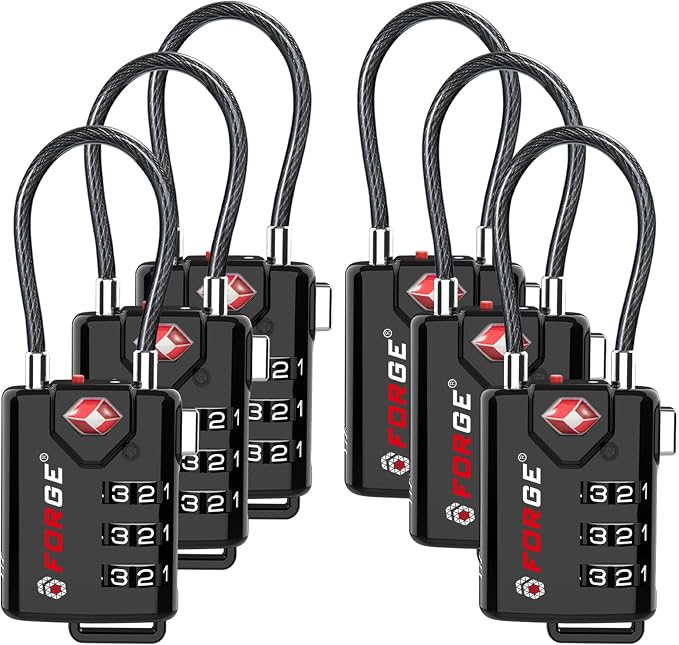
Forge TSA Approved Luggage Locks, Open Alert Cable Lock, Black, 4 Pack
- TSA-Approved Security
- Open Alert Feature
- Flexible Cable Design
- 4-Pack Value
Final Thoughts
Africa offers an extraordinary range of travel experiences, from ancient historical sites and vibrant cities to tropical beaches, dramatic mountains, deserts, forests, cultural attractions, and wildlife destinations. If you are deciding How Many Days to Stay in Africa, focus on the experiences you value most rather than trying to cover as many countries as possible. A seven-day trip can work well for one focused destination, while two weeks can support a regional itinerary. Moreover, three weeks or a month provide more flexibility for multi-country travel, provided that you plan transportation carefully.
Before departure, research seasonal conditions, visa requirements, transportation, accommodation, health considerations, and local customs. Then, build your itinerary around a logical route rather than simply collecting as many destinations as possible. As a result, you can manage your travel time more effectively and enjoy a smoother journey. Ultimately, with thoughtful preparation, realistic travel times, and a flexible approach, your Africa trip can help you experience the continent more comfortably and make the most of every destination along the way.