Planning a safari to the Serengeti National Park? Timing is key. The park has wildlife all year, but each season offers something different. Knowing when is the best time to visit Serengeti National Park helps you to completely experience the natural splendor. The Serengeti is one of Tanzania’s most famous safari destinations, known for its vast grasslands, diverse wildlife, and the annual movements of millions of wildebeest, zebras, and gazelles. However, wildlife experiences can vary depending on rainfall, vegetation, animal movements, and visitor numbers. Therefore, there is no single month that is perfect for every traveler. Instead, the best time depends on whether you are interested in the Great Migration, predator sightings, birdwatching, photography, comfortable weather, fewer visitors, or potentially lower safari costs.
Understanding Serengeti’s Climate
The Serengeti National Park has two main seasons: dry and wet. Each offers different experiences, so knowing the best time to visit Serengeti National Park helps you plan better. The climate can also vary slightly between different areas of the park. The central, western, northern, and southern Serengeti may experience different wildlife movements and local weather conditions during the year.
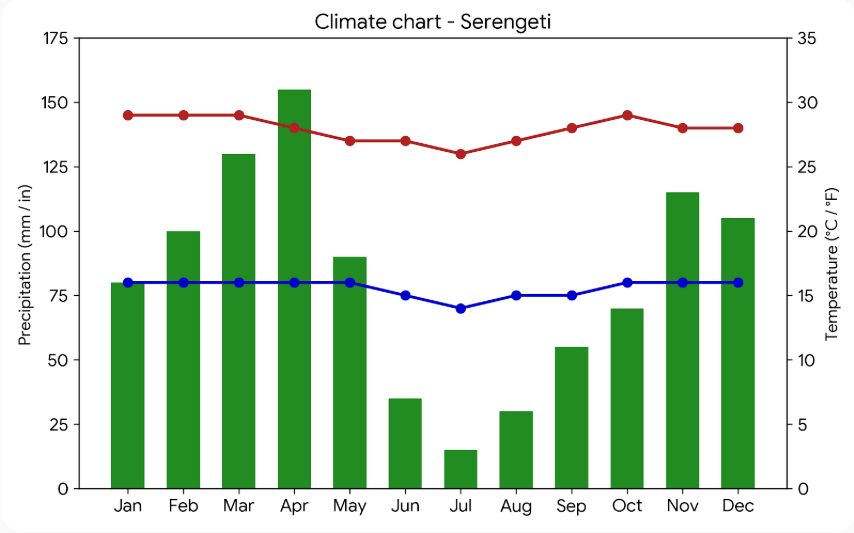
Dry season (June-October):
The dry season is one of the most popular periods for a Serengeti safari.
- Clear skies and sunny days.
- Little rain and chilly nights.
- Best time to see large animals.
- Ideal for Great Migration River crossings.
During the dry months, vegetation is generally less dense, which can make animals easier to observe. Wildlife often gathers around remaining water sources, improving opportunities for game viewing. Mornings and evenings can be cold, particularly during game drives, so travelers should pack warm layers in addition to lightweight safari clothing.
Wet Season (November to May):
The wet season brings greener landscapes and seasonal changes across the park.
- Short rains in November and December.
- Long rains from March to May.
- Lush landscapes and fewer crowds.
- Best for birdwatching and witnessing newborn wildlife.
Rain does not necessarily mean that safari activities stop. Showers can be temporary, and the landscape becomes especially attractive after rainfall. Migratory birds are also more noticeable during this period. The wet season can be particularly interesting for photographers because of the combination of green vegetation, dramatic skies, young animals, and fewer vehicles in some areas.
Best Time to Visit Serengeti National Park for the Great Migration
The Great Migration is a spectacular event, where millions of wildebeests, zebras, and gazelles move across the plains. It’s a highlight when considering the best time to visit Serengeti National Park. The migration follows rainfall and fresh grazing rather than a fixed annual timetable. Therefore, the exact location of the herds can vary from year to year. The Great Migration is a spectacular event, where millions of wildebeests, zebras, and gazelles move across the plains. It’s a highlight when considering the best time to visit Serengeti National Park.
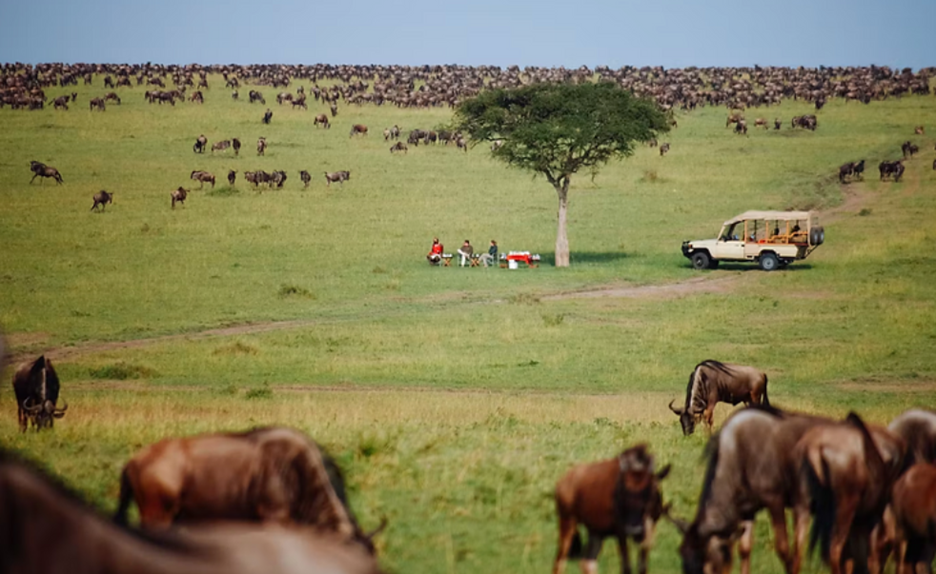
June to August:
- River crossings in Grumeti and Mara Rivers.
- High predator activity.
- Dramatic wildlife action.
The northern Serengeti and areas around the Mara River can become particularly important during this period. Therefore, when choosing the best time to visit Serengeti National Park for migration crossings, travelers should keep in mind that river crossings can be dramatic, but they are natural events and cannot be guaranteed on a particular day. As a result, travelers interested in migration crossings should allow several days in the relevant region rather than expecting a crossing immediately after arrival.
January to March:
- Calving season in the southern plains.
- Thousands of baby animals born.
The southern Serengeti and nearby plains can become important during the calving period. Large concentrations of herbivores may gather where fresh grass is available. The presence of young animals also attracts predators, making this period interesting for travelers interested in predator-prey interactions and wildlife photography.
Best Time to Visit Serengeti National Park: Month-by-Month Breakdown
January to March:
- Best for calving season.
- Excellent for photographers.
The beginning of the year can provide excellent opportunities to see young wildebeest and other herbivores. In addition, green vegetation and active wildlife can create attractive photography conditions.
April to May:
- Heavy rains but lush scenery.
- Great for budget travelers.
The long-rain period can bring wetter conditions, muddy roads, and occasional changes to safari schedules. However, the scenery can be exceptionally green and visitor numbers may be lower. Travelers visiting during this period should choose accommodation and safari operators with suitable wet-season experience.
June to August:
- Peak of the dry season.
- Ideal for river crossings.
These months are among the busiest periods for safari tourism. Wildlife viewing can be excellent, while the dry landscape often provides good visibility. Travelers should book popular lodges, camps, and safari vehicles well in advance.
September to October:
- Still dry with great visibility.
- Crowds begin to thin.
September and October can continue to provide favorable game-viewing conditions. During this period, wildlife remains easier to spot in many areas because vegetation is relatively sparse. However, the exact location of migratory herds depends on rainfall and grazing conditions.
November to December:
- Short rains and fewer tourists.
- Fresh landscapes.
The short rains can transform the landscape and encourage fresh vegetation. These months can offer a balance between wildlife viewing and a quieter safari atmosphere.
Best Time to Visit Serengeti National Park for Wildlife Viewing
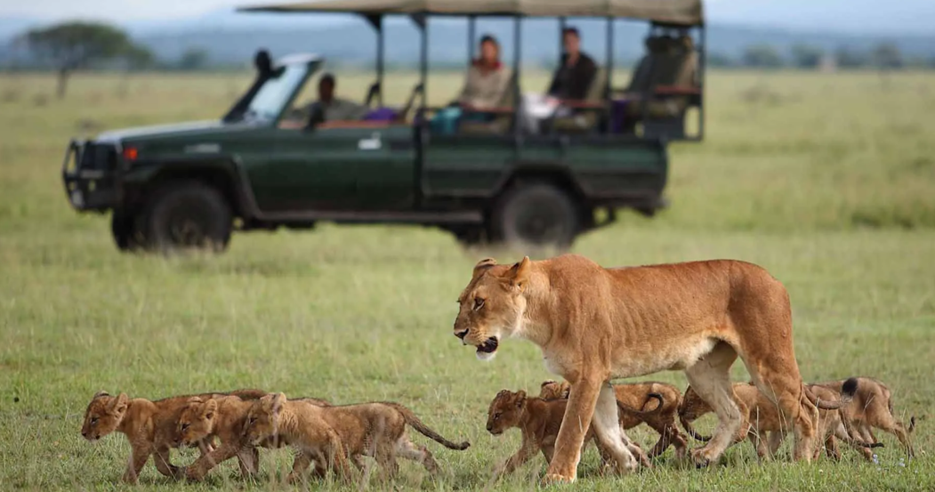
The Serengeti National Park is well-known for its diverse wildlife population, with animals visible all year. Choosing the best time to visit Serengeti National Park can enhance your experience.
- Lions, leopards, and cheetahs are active year-round.
- Elephants are best spotted during the dry season.
- The wet season draws migratory birds.
In addition to the famous Big Cats and elephants, visitors may encounter giraffes, buffaloes, hippos, hyenas, jackals, antelopes, and numerous smaller species. Therefore, when planning the best time to visit Serengeti National Park, travelers should consider that wildlife sightings are never guaranteed because animals move freely through their natural habitat. A knowledgeable guide can help visitors understand animal behavior and identify less obvious wildlife.
Factors to Consider
1. Crowds
The dry season attracts more visitors. As a result, popular areas may become busier, particularly during periods associated with major migration activity. Therefore, travelers looking for a quieter experience may consider the shoulder or wet
2. Budget
The wet season results in lower prices at some properties, although rates vary by accommodation, location, and travel dates. Travelers should compare complete safari costs rather than looking only at accommodation prices.
3. Weather
The dry season brings less rain and better visibility. However, mornings and evenings can be cold, while daytime temperatures can become warm. During the wet season, travelers should be prepared for rain and changing road conditions.
4. Photography
Both seasons provide unique opportunities.
The dry season can offer clear visibility and concentrated wildlife, while the wet season provides green landscapes, dramatic skies, birds, and young animals.
Serengeti by Region and Season
The best time to visit can also depend on which part of the Serengeti you want to explore.
Central Serengeti
Central Serengeti, particularly the Seronera area, is known for year-round wildlife and is often suitable for travelers who want a general Serengeti safari experience.
Western Serengeti
The western region can become particularly interesting during parts of the migration cycle. The Grumeti River is an important feature of this area.
Northern Serengeti
Northern Serengeti is associated with the later stages of the migration and the Mara River region. Timing is important because river-crossing activity depends on herd movements and environmental conditions.
Southern Serengeti
The southern plains are particularly relevant during the calving season. This area can be a strong choice for travelers interested in newborn wildlife and predator activity during the early months of the year.
Best Time for a First Serengeti Safari
For first-time visitors, choosing the best time to visit Serengeti National Park depends on personal interests. For example, travelers who prioritize dry weather and general wildlife viewing may prefer the dry season. On the other hand, those interested in calving, green landscapes, and birdwatching may prefer the wetter months. Furthermore, if the primary goal is to see the Great Migration, it is important to select both the right season and the right region because the herds move throughout the ecosystem.
Best Time for Photography
The Serengeti offers photographic opportunities throughout the year.
- During the dry season, sparse vegetation can make animals easier to see. Clearer conditions can also provide good visibility over the plains.
- During the wet season, green vegetation, clouds, rain showers, birds, and newborn animals create different photographic possibilities.
- Photographers should bring appropriate camera equipment, extra batteries, memory cards, and protection from dust or rain depending on the season.
Best Time for Birdwatching
Birdwatching is possible throughout the year, but the wet season can be especially rewarding because migratory birds join the Serengeti’s resident species. Bird enthusiasts may encounter birds of prey, waterbirds, grassland species, and colorful smaller birds. A pair of binoculars and a field guide can make birdwatching considerably more enjoyable.
Best Time for Families
Families should consider weather, road conditions, accommodation, and children’s ages when selecting safari dates. The drier months may provide more predictable road conditions, while the wet season can offer greener scenery and fewer visitors. Families should also choose accommodations that provide appropriate facilities and safari arrangements for children.
Best Time for a Budget Safari
Travelers with a limited budget may consider periods outside the busiest travel months. In addition, some accommodations may offer lower rates during wetter periods, although prices differ considerably between camps and lodges. Therefore, a flexible travel schedule can make it easier to compare accommodation, transportation, and safari package prices.
What to Pack for Different Seasons
Packing should reflect the season and the type of safari activities planned.
During the Dry Season
Consider packing:
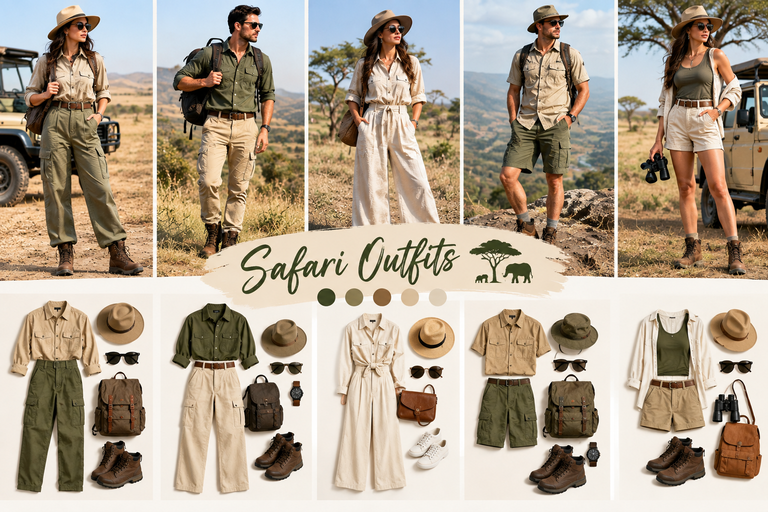
- Lightweight breathable clothing
- Warm layers for early mornings and evenings
- Comfortable walking shoes
- Sun protection
- Sunglasses
- Hat
- Sunscreen
- Binoculars
- Camera equipment
During the Wet Season
Consider adding:
- Lightweight rain jacket
- Waterproof bags or protective covers
- Quick-drying clothing
- Waterproof footwear
- Extra clothing
- Camera protection
- Insect repellent
Neutral-colored clothing is generally practical for safari activities and helps avoid unnecessary attention in the bush.
Safari Roads and Travel Conditions
Weather can affect road conditions within the Serengeti. For example, during heavy rains, some roads can become muddy or difficult to navigate. Therefore, when considering the best time to visit Serengeti National Park, travelers should also consider seasonal road conditions and discuss possible routes with their safari operator. Meanwhile, in the dry season, dusty roads are common, particularly during busy periods. As a result, sunglasses and a light scarf or face covering can help protect against dust during some game drives.
Booking Your Serengeti Safari
Reserve your accommodations ahead of time during peak months.
- Pack light, weather-appropriate clothing.
- Hire a professional guide to enhance your safari experience.
- Binoculars are necessary for wildlife observation.
- Be adaptable, as the weather can change abruptly.
Early booking is particularly important for travelers who want specific lodges, camps, private vehicles, or locations close to particular wildlife areas. It is also useful to discuss your travel priorities with the safari operator before booking. Explain whether your main interest is the Great Migration, predators, photography, birdwatching, family travel, or a quieter safari.
How Long Should You Stay in the Serengeti?
The ideal length of a Serengeti safari depends on your itinerary and interests. A short safari may provide an introduction to the park, while a longer stay gives travelers more time to explore different areas and increases opportunities for wildlife encounters. A multi-day itinerary can also reduce the pressure of trying to see everything in a short period.
Should You Visit During the Peak Season?
Peak season can provide favorable wildlife-viewing conditions and popular migration experiences, but it can also mean more visitors and higher accommodation prices. Travelers should consider whether their priorities are wildlife events, weather, privacy, budget, or flexibility before selecting their dates.
Is the Great Migration Guaranteed?
No. The Great Migration is a natural process and cannot be guaranteed on a specific date or at a particular location. Therefore, when considering the best time to visit Serengeti National Park, it is important to remember that the animals respond to rainfall, fresh grazing, water availability, and other environmental conditions. As a result, safari guides use recent information and local knowledge to determine where sightings may be possible.
Tips for Your Visit
A successful Serengeti safari requires some flexibility. Wildlife is unpredictable, and weather conditions can change quickly.
Important tips include:
- Reserve your accommodations ahead of time during peak months.
- Pack light, weather-appropriate clothing.
- Hire a professional guide to enhance your safari experience.
- Bring binoculars for wildlife observation.
- Be adaptable, as weather conditions can change abruptly.
- Allow enough time for wildlife viewing rather than rushing between locations.
- Follow your guide’s safety instructions at all times.
- Respect wildlife by maintaining an appropriate distance.
- Avoid making loud noises around animals.
- Keep the park clean and follow local conservation rules.
Final Thoughts
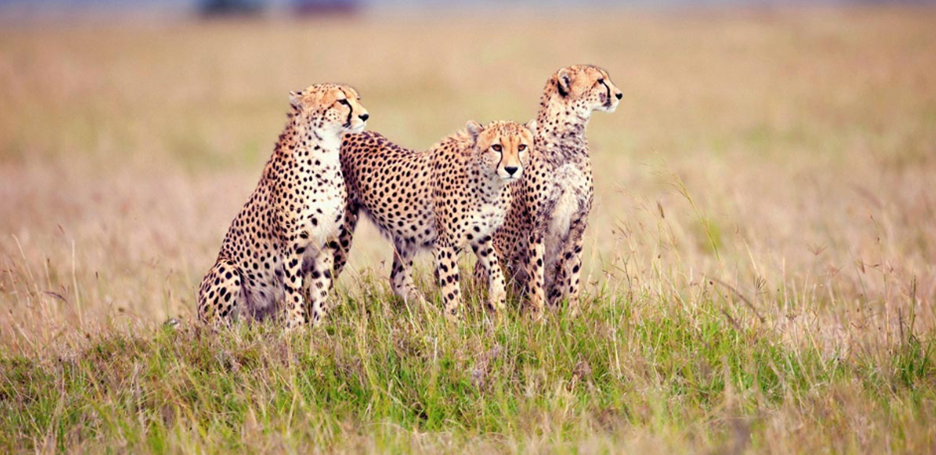
The best time to visit Serengeti National Park depends on your preferences. Serengeti National Park offers an extraordinary range of activities, from dramatic river crossings to peaceful bird watching. Overall, the dry season can provide clear weather, excellent visibility, and strong opportunities for general wildlife viewing. On the other hand, the wet season offers green landscapes, birdlife, newborn animals, and potentially fewer visitors. Furthermore, migration experiences also vary throughout the year, making regional planning just as important as selecting a travel month. Ultimately, choose the season and region that best match your interests, allow enough time for exploration, and remain flexible because nature does not follow a fixed schedule. With the right planning, you can experience the magnificence of Serengeti National Park and make memories that last a lifetime.