Planning an opulent safari in Africa is an amazing experience. The best time to go on a luxury African safari depends on several factors. Your interests and destination will help determine the ideal time. Seasons affect the weather, prices, and wildlife viewing. Let’s explore the best time to go on a luxury African safari.
What Is the Best Time to Go on a Luxury African Safari?
The best time to go on a luxury African safari depends on the destination and the type of experience you want. In many parts of East and Southern Africa, the dry season offers favorable conditions for wildlife viewing because animals often gather around remaining water sources and vegetation becomes less dense. However, the green or wet season can provide lush landscapes, excellent birdwatching, newborn wildlife, fewer visitors, and potentially lower accommodation rates.
Travelers should also consider specific experiences. The Great Migration follows a changing annual route across Tanzania and Kenya, while the Okavango Delta has its own seasonal flood cycle. Gorilla trekking in Rwanda and Uganda also follows different considerations from a traditional game-drive safari. For a luxury safari, the best time to go on a luxury African safari therefore depends on whether your priority is wildlife viewing, migration, photography, birdwatching, privacy, weather, or budget.
East Africa: The Great Migration Experience
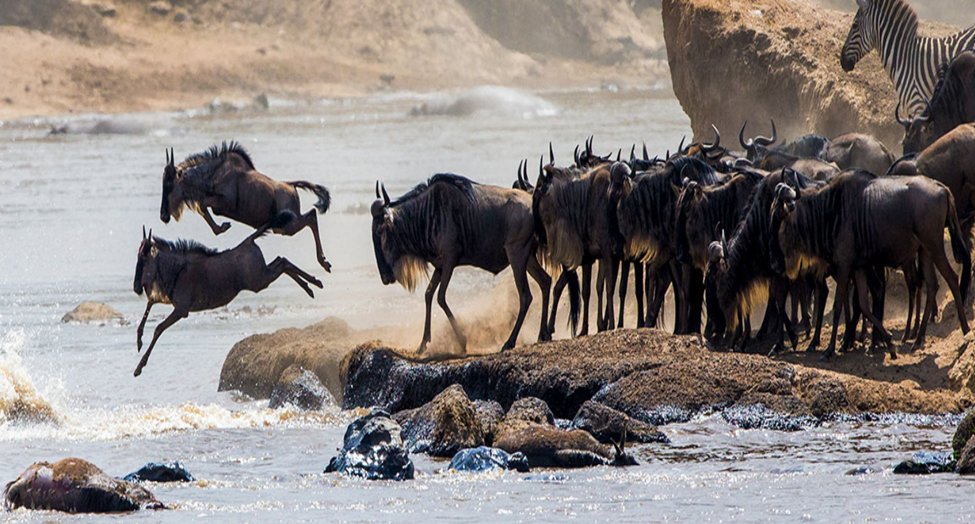
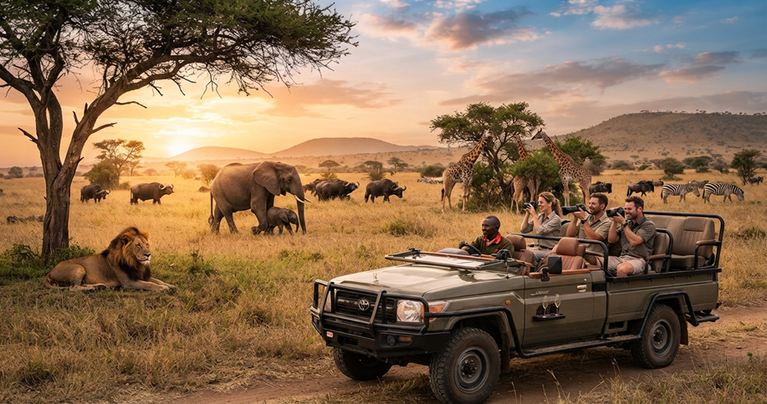
East Africa provides a year-round safari experience. The dry season, from June to October, is often considered the best time to go on a luxury African safari. This period highlights the Great Migration, where millions of wildebeests and zebras move through the Serengeti and Maasai Mara. A luxurious African safari at this time is truly magnificent. Wildlife gathers near waterholes, making lions, leopards, and elephants easier to see. From November to May, the wet season begins. During this time, the landscape becomes lush and beautiful, and there are fewer tourists. Migratory birds also arrive, making it perfect for bird watchers. However, rainfall can make some roads harder to travel. If you plan properly, the rainy season can still be a great time for a luxury African safari.
Best Time to Visit Kenya for a Luxury Safari
Kenya offers several different safari experiences, so the ideal travel period depends on the destination. The dry months generally provide favorable game-viewing conditions in areas such as the Maasai Mara, Amboseli, and Samburu. During this period, vegetation can become thinner and wildlife may gather around water sources The Maasai Mara receives particular attention during the Great Migration months, when large numbers of wildebeest and other animals enter the reserve from the Serengeti ecosystem. However, the exact timing and location of migration activity can vary from year to year. Travelers interested in fewer crowds, greener scenery, and birdwatching can also consider Kenya’s wetter periods. These months can provide a different safari atmosphere and may offer different accommodation rates and availability.
Best Time to Visit Tanzania for a Luxury Safari
Tanzania provides year-round safari opportunities across destinations such as the Serengeti, Ngorongoro Conservation Area, Tarangire, and Nyerere National Park. The dry season can provide favorable conditions for traditional game drives, while January through March is particularly important for travelers interested in the southern Serengeti calving season. During this period, large numbers of wildebeest give birth, attracting predators and creating significant wildlife activity. The November–December short-rain period can transform the landscape into a greener environment. Travelers who prefer fewer visitors and vibrant scenery may consider these months, although rainfall and road conditions can vary.
Southern Africa: Wildlife and Scenic Beauty
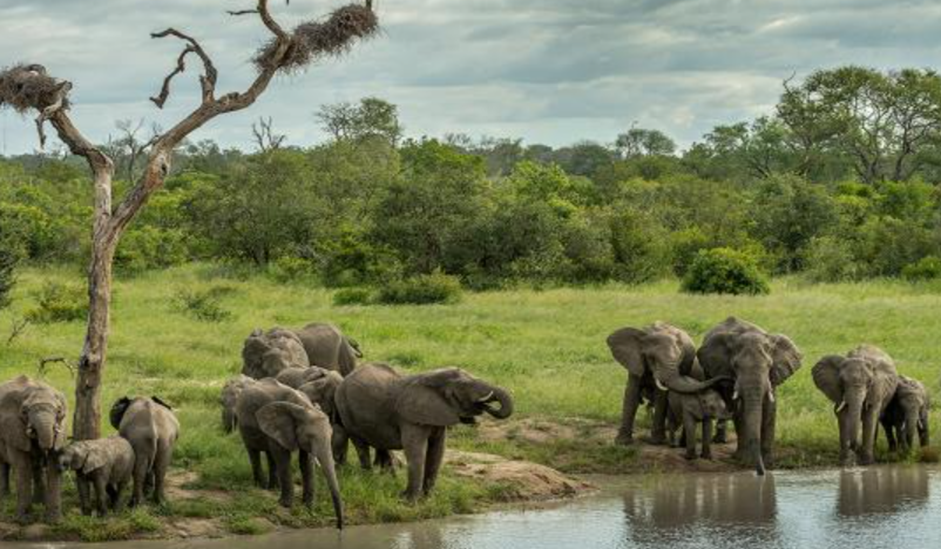
Southern Africa’s dry season lasts from May to October. This is the best time to go on a luxury African safari, particularly for game drives in Kruger National Park. Wildlife congregates near water sources, and visibility increases as foliage thins. A luxury African safari during these months ensures great wildlife watching. The wet season, which runs from November to April, is very charming. The landscapes become green, and numerous newborn animals can be spotted. Birdwatchers will love the diverse range of species. However, game viewing can be more difficult due to dense vegetation. Luxury lodges frequently offer lower rates during this season, making them an excellent value for guests.
Best Time to Visit South Africa for a Luxury Safari
South Africa offers a relatively flexible safari calendar. The Kruger region and nearby private reserves can provide good wildlife viewing during the cooler, drier months, when vegetation becomes less dense. However, South Africa also offers experiences beyond traditional game drives. Travelers combining a safari with Cape Town, the Garden Route, or whale watching should consider the seasonal conditions for each destination. This makes South Africa particularly suitable for travelers who want to combine a luxury safari with other African experiences.
Best Time to Visit Namibia for a Luxury Safari
Namibia offers a different type of safari experience, combining wildlife with dramatic desert scenery. The dry months generally provide favorable wildlife-viewing conditions in Etosha National Park because animals frequently gather around waterholes. The dry season can also provide clear skies and strong photographic conditions. However, temperatures can vary considerably between daytime and nighttime, particularly in desert regions. Travelers who want to combine wildlife with destinations such as Sossusvlei should consider the climate of each region rather than choosing travel dates solely around safari conditions.
Best Time to Visit Zambia and Zimbabwe
Zambia and Zimbabwe provide strong opportunities for walking safaris, game drives, river activities, and wildlife viewing. The dry season generally provides favorable conditions for wildlife viewing as vegetation becomes less dense and animals gather around water. The timing of the safari season can also affect access to certain camps and activities. Victoria Falls is another important consideration. Water levels change throughout the year, so travelers combining a safari with Victoria Falls should consider whether they want to see the falls at high water levels or experience different viewpoints and activities during lower-water periods.
Botswana: Okavango Delta Magic on a Luxury African Safari
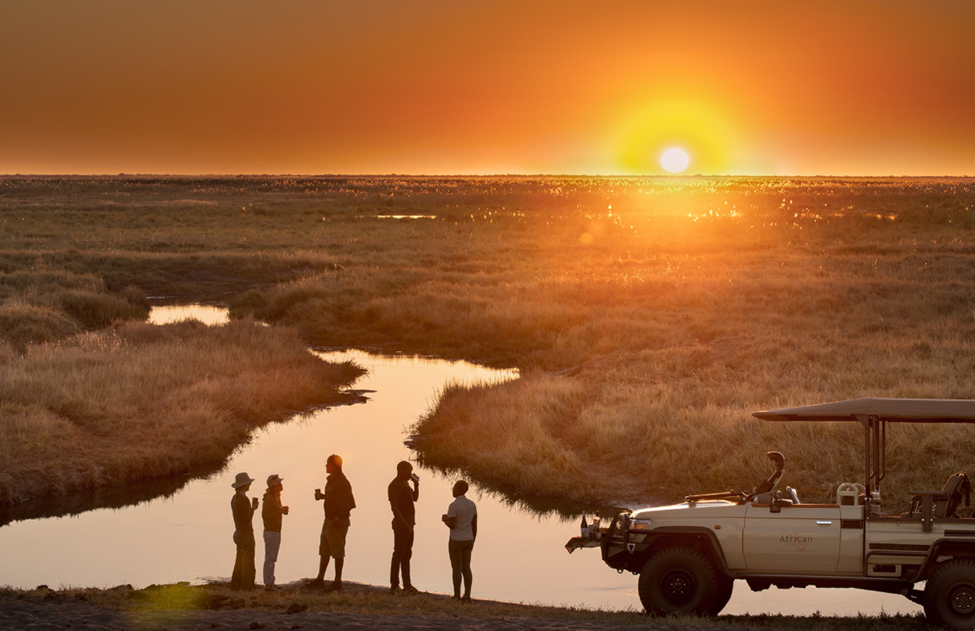
The Okavango Delta is an excellent site for safari enthusiasts. The greatest time to travel is between June and October, when the area floods. This is considered the best time to go on a luxury African safari, as it’s ideal for game drives and boat safaris. You can also stay in luxury lodges for an unforgettable experience. From November to May, there are fewer visitors, making it more serene. The rain turns the area green and full of wildlife. Although some areas may be more difficult to reach, there is still plenty of wildlife. A luxury safari at this time is more relaxing and frequently less expensive.
Understanding the Okavango Delta’s Seasonal Flooding
The Okavango Delta differs from many traditional safari destinations because its annual flood cycle does not simply correspond with the local rainy season. Water from rainfall in the Angolan highlands eventually reaches the Delta, creating seasonal flooding during the Southern Hemisphere’s dry months. This seasonal cycle affects the landscape, wildlife distribution, boat activities, and accessibility of different areas. Travelers should therefore consider the specific camp and concession they plan to visit rather than assuming that every part of the Okavango Delta offers exactly the same conditions.
Rwanda and Uganda: Gorilla Trekking on a Luxury African Safari
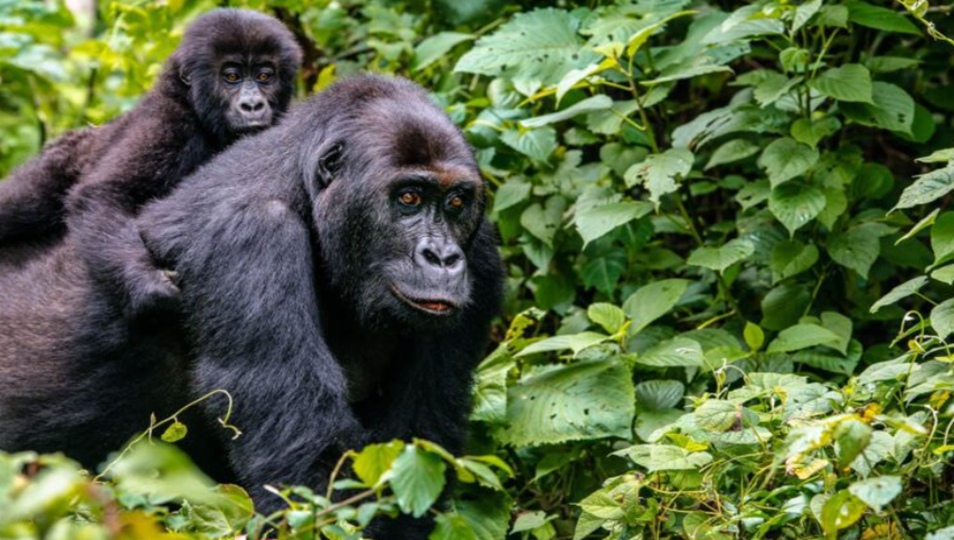
Gorilla trekking is popular in Rwanda and Uganda. The ideal months are June through September, and December through February. The trails are dry and easy to travel. Seeing gorillas in their natural habitat is unforgettable. Rainy seasons last from March to May and October to November. Trekking might be difficult owing to muddy terrain. However, these months bring fewer travelers and lesser prices. Plan your luxury African safari carefully. Gorilla trekking remains possible outside the commonly preferred drier periods, but travelers should prepare for changing trail conditions. Because trekking can involve steep and muddy terrain even during generally favorable months, visitors should consider their physical preparation and appropriate clothing and footwear. Gorilla permits also represent a significant additional expense and should be included separately when calculating the total trip budget.
Month-by-Month Luxury African Safari Guide
January and February
January and February can provide excellent safari opportunities in several parts of Africa. Tanzania’s southern Serengeti becomes particularly important for travelers interested in the wildebeest calving season. Green landscapes, young animals, and active predator sightings can create strong photography opportunities. Birdwatching can also be rewarding during this period.
March to May
March to May brings wetter conditions to many East African destinations. Travelers can experience greener landscapes, fewer visitors, and excellent birdwatching. Some roads may become more challenging because of rainfall, and certain seasonal camps may close temporarily. However, luxury travelers who prioritize privacy and scenery may find these months appealing.
June and July
June marks the beginning of an important dry-season period in many safari destinations. Wildlife viewing generally becomes easier as vegetation thins and animals increasingly use reliable water sources. Migration activity also becomes increasingly important in East Africa, although travelers should avoid assuming that animals will appear at a specific location on a guaranteed date.
August and September
August and September are popular months for luxury safaris across many destinations. Dry conditions can support excellent game viewing, while East African migration activity remains a major attraction. Demand can also increase significantly, so travelers should consider accommodation availability and seasonal pricing when planning.
October
October can provide strong wildlife-viewing conditions in many destinations, although temperatures may rise toward the end of the dry season in some areas. Travelers can also experience fewer visitors in certain destinations compared with the busiest parts of the peak season.
November and December
November and December bring changing conditions across Africa. Some destinations experience short rains, while others remain relatively dry. The landscape can become greener, bird activity can increase, and accommodation rates may be lower in some areas. Travelers should check local conditions because rainfall patterns differ substantially between countries and regions.
Weather Considerations
The weather has a tremendous influence on safari experiences. The dry season brings bright skies and predictable wildlife activity, making it the best time to go on a luxury African safari. Wet seasons offer vivid scenery but may impede accessibility. Travelers should consider more than rainfall when selecting travel dates. Temperature, humidity, road conditions, vegetation, visibility, and the availability of seasonal camps can all influence the overall safari experience.
Peak, Shoulder, and Low Seasons
Luxury safari destinations commonly divide the year into peak, shoulder, and low seasons, although the exact dates differ by country and camp.
Peak season: generally attracts greater demand and can bring higher accommodation rates. Popular camps and private villas may also have limited availability.
Shoulder season: can provide a balance between favorable conditions, availability, visitor numbers, and pricing.
Low or green season: may offer lower rates and fewer visitors. Travelers can also enjoy greener landscapes and excellent birdwatching, although rainfall and road conditions can affect some itineraries.
Budget and Availability
Peak seasons coincide with dry months. Luxury lodges may be fully booked. Plan months in advance for a Luxury African safari during peak times. Shoulder seasons, between dry and wet periods, offer a balance. You get good weather and fewer crowds. Rates are also more affordable.
How Safari Seasons Affect Luxury Safari Prices
Seasonality can have a major effect on the price of a luxury African safari. Camps and lodges often charge higher rates during periods of strong demand, particularly around major wildlife events and the most popular dry-season months. During shoulder and green seasons, some properties offer lower rates. However, travelers should compare the complete package rather than looking only at the nightly accommodation price.
The quoted rate may or may not include:
- Meals and beverages
- Game drives
- Private safari vehicles
- Park and conservation fees
- Domestic flights
- Airport transfers
- Laundry
- Specialist activities
- Premium beverages
- Guided walking activities
Understanding these inclusions helps travelers make a more accurate comparison between luxury safari packages.
Special Wildlife Events
Certain months provide unique animal viewing opportunities. The Great Migration in Kenya and Tanzania reaches its peak between July and October. Zebra migrations take place in Botswana around December. The greatest time to go whale watching in South Africa is between June and November. Planning your luxury African tour around these events helps you pick the best time to go on a luxury African safari and makes your trip more fun and exciting. Travelers should remember that wildlife does not follow an exact calendar. Migration routes and animal movements can change because of rainfall, water availability, vegetation, and other environmental conditions.
Best Months for Different Activities
Game viewing: season runs from June to October in most regions.
Bird watching: season is from November to April for migratory birds.
Gorilla trekking: season runs from June to September and December to February.
Photography: The wet seasons provide stunning scenery and brilliant colors.
Best Time for Big Five Wildlife Viewing
Travelers interested primarily in lions, leopards, elephants, buffalo, and rhinos often choose dry-season months because wildlife can become easier to locate around water sources. However, wildlife viewing remains possible throughout the year. Green-season safaris can provide excellent photographic conditions, newborn animals, and dramatic landscapes.
Best Time for Wildlife Photography
Photography does not necessarily require the busiest safari season. Dry-season conditions can provide clearer visibility and easier wildlife tracking, while wet-season landscapes can offer dramatic skies, lush vegetation, reflections, and vibrant colors. Photographers should therefore choose the season according to the type of images they want to capture.
Best Time for Birdwatching
The wetter and greener months often attract migratory birds and create favorable birdwatching opportunities in many African destinations. Travelers who prioritize birds over large mammals may therefore prefer a different travel window from someone whose main goal is traditional Big Five viewing.
Best Time for a Luxury Safari for Families
Families should consider weather, road conditions, travel distances, and children’s ages when selecting safari dates. The dry season can provide more predictable conditions for game drives, while shoulder seasons may offer a quieter atmosphere and potentially better availability. Families should also check each property’s minimum age requirements and activity policies before booking because some camps restrict certain activities for younger children.
Best Time for a Luxury Safari Honeymoon
Couples planning a luxury safari honeymoon may prioritize privacy, comfortable weather, exclusive accommodation, and special experiences. Dry-season months can provide favorable game-viewing conditions, while green seasons can offer more tranquil surroundings and potentially lower accommodation rates. Private villas, suites, private vehicles, and exclusive-use camps can also provide additional privacy regardless of the season.
Best Time for Fewer Crowds and More Privacy
Travelers seeking privacy can consider shoulder and green seasons rather than the busiest peak periods. Lower visitor numbers can create a quieter atmosphere at camps and wildlife areas. However, travelers should compare specific camps because seasonal demand varies between destinations. Private safari vehicles and exclusive-use accommodation can also provide greater privacy even during busier periods.
How Far in Advance Should You Book a Luxury African Safari?
Travelers should consider booking well in advance when planning a safari during popular migration periods or peak seasons.
This becomes particularly important when the itinerary includes:
- Small luxury camps
- Private villas
- Exclusive-use properties
- Multiple safari destinations
- Internal flights
- Private vehicles
- Gorilla trekking permits
- Special wildlife events
Travelers with flexible dates may have more accommodation choices and potentially more favorable rates.
What to Pack for Different Safari Seasons
Your packing list should reflect the destination and season.
During dry and cooler periods, travelers may need lightweight daytime clothing together with warm layers for early morning and evening game drives. During wetter periods, waterproof jackets, suitable footwear, and quick-drying clothing can become more important.
Regardless of the season, travelers should consider:
- Neutral-colored clothing
- Comfortable walking shoes
- Sun protection
- Sunglasses
- A wide-brimmed hat
- Insect protection
- Binoculars
- Camera equipment
- Lightweight luggage suitable for domestic flights
Is the Green Season Worth Considering for a Luxury Safari?
Yes, the green season can provide a different type of luxury safari experience. Travelers may encounter lush vegetation, dramatic skies, newborn animals, migratory birds, and fewer visitors. Some luxury camps also offer lower seasonal rates during these periods. However, travelers should check road conditions, camp operating schedules, and included activities before booking. The green season can therefore suit travelers who value scenery, photography, birdwatching, privacy, and potentially lower prices rather than focusing exclusively on dry-season wildlife viewing.
Final suggestion
Timing is essential for a successful safari. Investigate your chosen destination. Consider the weather, wildlife sightings, and your own interests. Knowing when is the best time to go on a luxury African safari will allow you to plan more effectively. A well-planned luxury African safari will create lifelong memories. The most important point is that there is no single travel period that works equally well for every African safari destination. Dry-season travel may suit travelers focused on traditional game viewing, while green-season travel can appeal to those seeking photography, birdwatching, lower visitor numbers, and potentially better seasonal rates. By matching your travel dates with your destination and priorities, you can create a luxury safari itinerary that fits your expectations.