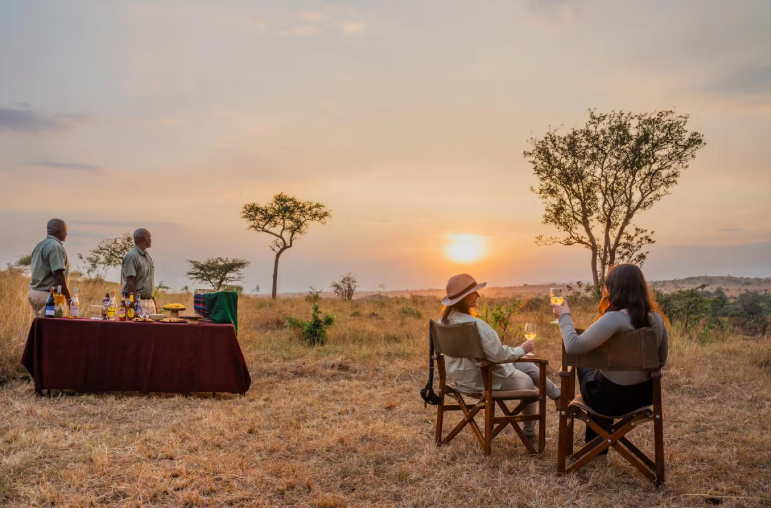
Serengeti National Park is one of the most well-known safari destinations in the world. The park offers amazing wildlife like the Great Migration and predators. However, before going, many travelers worry, “Is it safe to visit Serengeti National Park?” The Serengeti is a well-established safari destination, but like with any wilderness experience, safety should always come first. Visitors should understand the wildlife environment, follow park regulations, listen to professional guides, and prepare for health and travel-related risks. Let’s look at the important aspects that contribute to your safety while visiting this magnificent park.
Safety in the Serengeti: Wildlife Encounters
Understanding the wildlife is the most crucial component of visitor safety in the Serengeti National Park. The Serengeti is home to some of the world’s most dangerous species, like as lions, elephants, and buffalo. While these animals are part of nature’s beauty, they can be harmful if not handled appropriately.
Safari vehicles are meant to protect you from wild animals. Rangers and professional guides guarantee that you remain protected from harmful animals. Always follow the guide’s instructions and don’t leave the car without their permission. Wild animals have not been domesticated and must be treated with respect.
It is also important to avoid shouting, playing loud music, making unnecessary noise, or attempting to attract an animal’s attention. Do not feed, harass, or interfere with wildlife. Even animals that appear calm can react unpredictably when they feel threatened or disturbed. TANAPA advises visitors not to approach wild animals too closely and to avoid loud noise during game drives.
Guided Safaris: An Added Layer of Safety
A guided safari is one of the safest ways to explore Serengeti National Park. Professional guides are knowledgeable about the park’s fauna and potential threats. They are trained to handle a range of situations and keep you safe throughout the cruise. Guides will also know the ideal times and places to watch wildlife, allowing you to avoid harmful circumstances.
Guided safaris not only enhance your experience, but also add an extra element of security. Tour companies typically collaborate with local specialists who are familiar with the terrain, fauna, and best practices for ensuring a safe and pleasurable journey.
When booking a safari, travelers should choose a properly registered and reputable tour operator. Before departure, ask about the vehicle, guide qualifications, emergency communication arrangements, accommodation, and what safety procedures are followed during game drives.
Safari Vehicle and Driving Safety
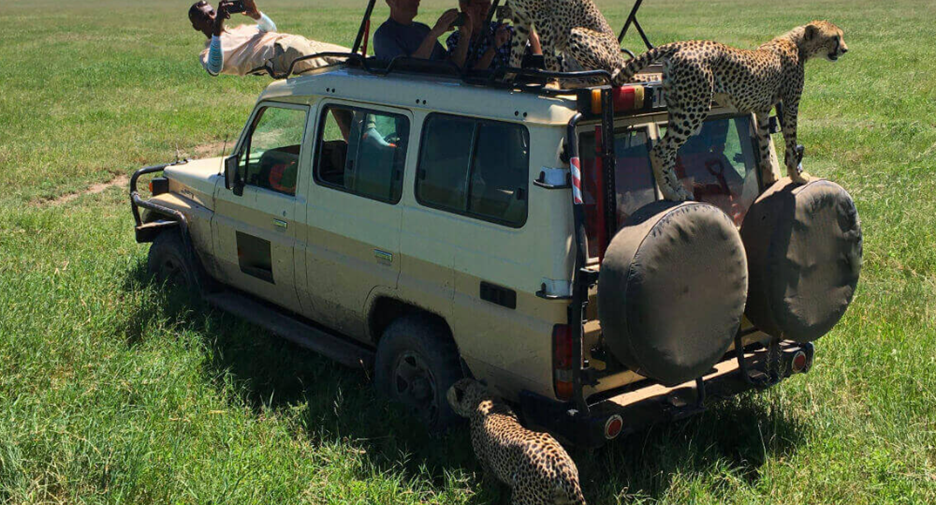
The safari vehicle is an important part of staying safe in the Serengeti. Visitors should remain inside the vehicle during game drives unless the guide or park authorities indicate that it is safe to leave at a designated location. Do not stand on the vehicle, hang out of the vehicle, or attempt to approach animals for a closer photograph.
Drivers should follow the park’s speed restrictions and remain on authorized roads and tracks. TANAPA’s Serengeti guidance states that the speed limit is 50 km/h and prohibits unauthorized off-road driving. Visitors should also avoid unnecessary noise and follow the driver’s instructions throughout the game drive.
Following these rules protects both visitors and wildlife. Driving too quickly or approaching animals too closely can create unnecessary risks and may disturb wildlife.
Walking Safaris: Important Safety Rules
Walking through the Serengeti can provide a very different perspective from a vehicle-based safari, but it requires additional safety precautions. Visitors should never leave their vehicle and begin walking independently in the wilderness.
Walking safaris must follow the applicable park requirements and should be conducted on designated trails with authorized guides and park rangers. TANAPA’s walking-safari guidelines require professional guides, reliable communication equipment, first-aid supplies, and an armed park ranger. Prior booking is also required for walking safaris.
Visitors should remain with the group, listen carefully to the guide, and avoid moving ahead or falling behind. The guide’s instructions should always be followed because wildlife encounters can occur unexpectedly.
Safety Precautions for Visitors
To stay safe in Serengeti National Park, observe a few simple rules. Stay inside the car during game drives unless instructed differently by your guide. Keep a safe distance from animals, as they can be unpredictable when startled.
When camping, look for certified sites that include safety features like fences or guards. To avoid attracting animals, always keep food and drinks in firmly sealed containers.
Visitors should also avoid wandering away from designated areas. Keep personal belongings secure, follow accommodation rules, and inform staff if you notice anything unusual around your campsite or lodge.
Respecting park regulations is another essential part of visitor safety. TANAPA advises visitors to use designated roads and routes, avoid disturbing wildlife, dispose of rubbish properly, and avoid removing plants, rocks, bones, or other objects from the park.
Camping and Lodge Safety at Night
The Serengeti is a wilderness environment, so nighttime safety requires additional attention. Visitors staying in tents, camps, or lodges should follow the instructions provided by camp staff and should not walk around independently after dark unless the accommodation specifically permits it or provides an escort.
Keep tent or room entrances closed as instructed, do not leave food outside, and use a flashlight when moving around after dark. Official camping areas should be used rather than setting up an unauthorized campsite. TANAPA advises visitors to camp only at designated sites and to remain vigilant.
The safest approach is to treat nighttime movement differently from daytime activities and always ask accommodation staff about the appropriate procedures.
Health and Medical Safety
Another crucial consideration when visiting the Serengeti National Park is health and safety. Before traveling to Tanzania, vacationers should check the latest vaccination and travel-health recommendations with a qualified healthcare professional. Recommendations can vary depending on a traveler’s itinerary, medical circumstances, and countries visited before entering Tanzania.
It is also important to carry any regular medication you need, along with basic first-aid supplies. Medical facilities can be limited outside major urban areas, so travelers should discuss their health needs with a healthcare professional before departure and make sure their travel insurance provides appropriate medical and evacuation coverage.
Travelers should also check whether they need a yellow fever certificate. Tanzania requires proof of yellow fever vaccination in certain circumstances, including travelers arriving from countries with a risk of yellow fever transmission.
You should also take malaria prevention seriously. Malaria is present in Tanzania, including safari areas. Travelers should use insect repellent, consider appropriate protective clothing, and discuss malaria prevention medication with a healthcare professional before traveling. Current travel-health guidance identifies malaria as a significant risk in Tanzania.
Heat, Dehydration, and Weather Safety
The Serengeti’s outdoor environment means visitors can spend many hours exposed to sunlight and changing weather conditions. Dehydration and excessive sun exposure can make a safari uncomfortable and may affect your health.
Carry enough drinking water, use sunscreen, wear a hat, and choose lightweight, breathable clothing during hot periods. Sunglasses can also help reduce glare during long game drives. Early mornings and evenings can be considerably cooler, so carrying a light jacket or warm layer is useful.
Weather conditions can change, and travelers should follow advice from their safari operator when conditions affect roads, activities, or transportation. TANAPA also advises visitors to carry sufficient water and take appropriate precautions during outdoor activities.
Security and Crime in Serengeti
The Serengeti National Park is a remote wildlife destination, and visitors should take sensible precautions with personal belongings. Keep valuables such as passports and cash in safe places, such as hotel or lodge safes, and avoid carrying large amounts of money on game drives or walks.
Dedicated Park rangers and local officials prioritize visitor safety by monitoring wildlife activity and enforcing park regulations. If you require assistance, camp personnel, guides, and rangers can provide guidance.
Travelers should also remember that security conditions can change. Before traveling, check the latest advice from your government and local authorities, particularly for transportation routes and areas outside the national park.
Emergency Procedures and Communication
Because the Serengeti is a large and remote wilderness area, emergency planning is important. Visitors should keep the contact information for their safari operator, accommodation, travel insurer, and emergency services readily available.
Ask your tour operator how emergency situations are handled before beginning your safari. Find out whether the vehicle has reliable communication equipment and what procedures are followed in the event of an injury, illness, vehicle problem, or unexpected wildlife encounter.
In Tanzania, the emergency number for ambulance, fire, and police services is 112. However, response times and access to medical facilities can vary, particularly in remote areas.
Travelers should therefore avoid relying solely on immediate emergency services and should make sure their safari operator has an appropriate emergency and evacuation plan.
Safety When Traveling with Children
Families can enjoy a Serengeti safari, but children require close supervision throughout the experience. Parents should explain basic wildlife-safety rules before the safari and make sure children understand why they must remain inside the vehicle unless their guide gives permission to leave.
Children should not be allowed to wander around camps or accommodation areas without appropriate supervision. Parents should also check age requirements before booking activities such as walking safaris because some activities have specific age restrictions. TANAPA’s walking-safari guidelines, for example, restrict this activity to people above the age of 12.
Mara River Crossing Safety
The Mara River crossings are one of the most memorable experiences associated with the Great Migration, but visitors should follow strict instructions when viewing wildlife near the river.
Travelers should remain with their guide and follow designated viewing arrangements. Animals can behave unpredictably around water crossings, and large numbers of wildebeest and other wildlife can create rapidly changing conditions. Visitors should never attempt to approach, touch, or interfere with migrating animals.
If you plan to visit the northern Serengeti during the migration season, ask your safari operator about the current river-crossing rules and viewing procedures before the activity.
Respecting Serengeti National Park Rules
Following park regulations is essential for both visitor safety and conservation. Travelers should remain on authorized roads and tracks, respect speed limits, avoid disturbing animals, and never feed or harass wildlife.
Visitors should also avoid littering, damaging vegetation, removing natural objects, or starting fires outside authorized areas. TANAPA specifically requires visitors to keep the park undisturbed and follow designated routes and other park regulations.
Responsible behavior helps protect the Serengeti ecosystem while also reducing unnecessary risks for visitors, guides, wildlife, and other safari groups.
Travel Insurance: Protect Yourself
Before visiting Serengeti National Park, it is an excellent idea to purchase comprehensive travel insurance. This can protect you against unexpected situations such as medical emergencies, trip cancellations, or misplaced luggage. Travel insurance provides peace of mind by covering you for unexpected scenarios.
For a Serengeti safari, travelers should pay particular attention to medical treatment, emergency evacuation, trip interruption, and other coverage that may be relevant to remote travel. Official travel-health guidance also recommends having appropriate insurance for local treatment and unexpected medical evacuation.
Check Current Travel Advisories Before Your Trip
Safety information can change, so travelers should check current government travel advice before leaving for Tanzania. Travel advisories can include information about regional security conditions, health requirements, transportation, demonstrations, border areas, and other circumstances that may affect a trip.
For example, current U.S. and UK government travel guidance contains country-specific safety information for Tanzania, including information about crime, unrest, health, and certain regional risks. Travelers should check the latest advice from their own government because recommendations can differ by nationality and can change over time.
It is also important to check the latest park information and confirm your safari operator’s arrangements before departure.
Serengeti National Park Safety Tips: Quick Checklist
Before starting your safari, keep these basic safety tips in mind:
- Follow your guide’s instructions at all times.
- Remain inside the safari vehicle unless you are told that it is safe to exit.
- Never approach, feed, or disturb wild animals.
- Respect designated roads, trails, and viewing areas.
- Do not walk independently in the wilderness.
- Use only authorized camping and accommodation areas.
- Keep food and drinks properly stored.
- Use insect repellent and follow recommended malaria precautions.
- Carry sufficient drinking water and protect yourself from the sun.
- Keep important documents and valuables secure.
- Carry emergency and safari operator contact information.
- Make sure your travel insurance includes appropriate medical and evacuation coverage.
- Check current travel advisories and park regulations before your trip.
Serengeti National Park
Finally, the Serengeti National Park is a remarkable wilderness destination that requires visitors to take appropriate precautions. You can have a pleasurable and safe trip by organizing ahead of time, taking guided safaris, and following safety guidelines. Wildlife interactions are stunning, and with the right precautions, you can have a wonderful trip.
The most important principle is to remember that the Serengeti is a natural wilderness rather than a conventional tourist attraction. Respect wildlife, follow your guide’s instructions, observe park regulations, prepare for health and weather conditions, and remain aware of your surroundings. Your Serengeti safari can be both enjoyable and responsible when you take the appropriate precautions and prepare carefully before your journey.