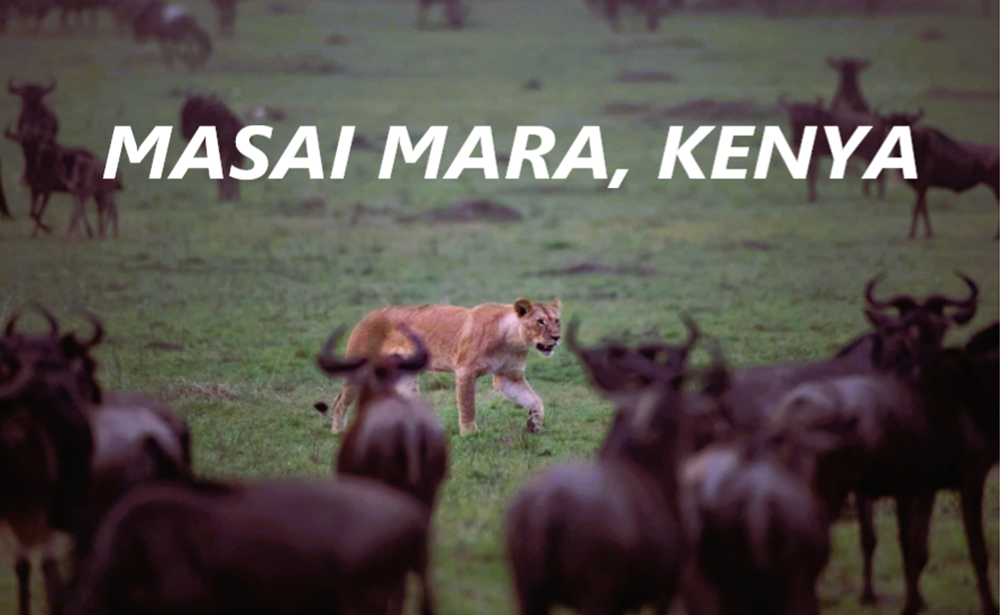
The Masai Mara is one of Africa’s premier safari destinations. Moreover, it offers diverse wildlife experiences across its open grasslands, riverine areas, and surrounding conservancies. As a result, tourists can choose from several Types of Safaris in the Masai Mara based on their interests, travel preferences, budget, and comfort level. Furthermore, each safari style provides a different way to explore the landscape and experience its wildlife.
Game Drives
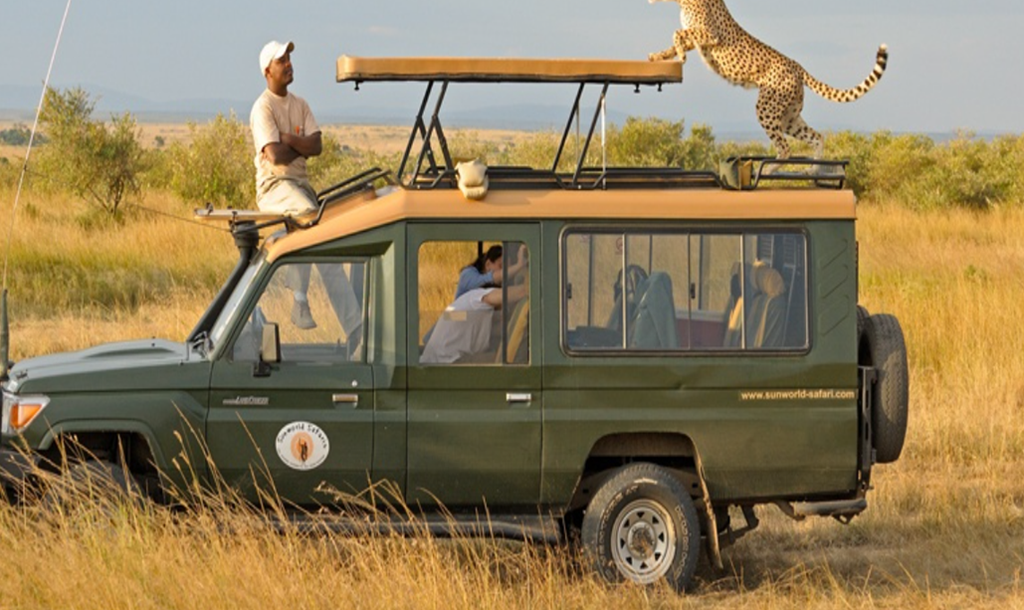
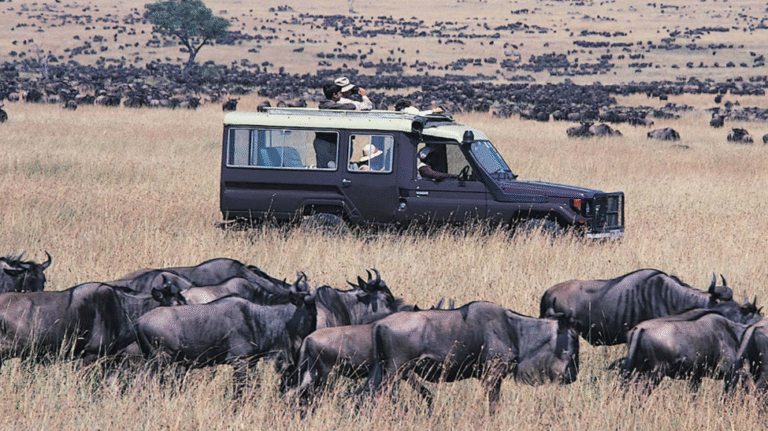
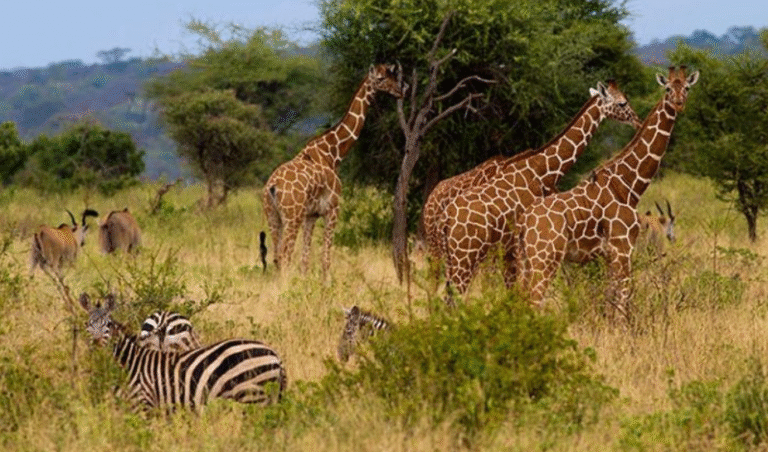
Game drives are the most popular safari type in the Masai Mara. Visitors explore the plains in specially equipped 4×4 safari vehicles, often accompanied by experienced guides. Depending on the itinerary, drives can take place in the early morning, afternoon, or around sunset, giving travelers different opportunities to observe wildlife. During these drives, guides take visitors to areas where wildlife activity is likely. The Big Five—lions, leopards, elephants, buffalo, and rhinos are often among the main attractions. In addition, travelers may encounter cheetahs, hyenas, giraffes, zebras, wildebeest, hippos, and a wide variety of bird species. Furthermore, game drives suit a wide range of travelers, including first-time safari visitors, couples, families, and wildlife enthusiasts. Therefore, they remain a popular way to explore the Masai Mara and observe its diverse wildlife.
Walking Safaris
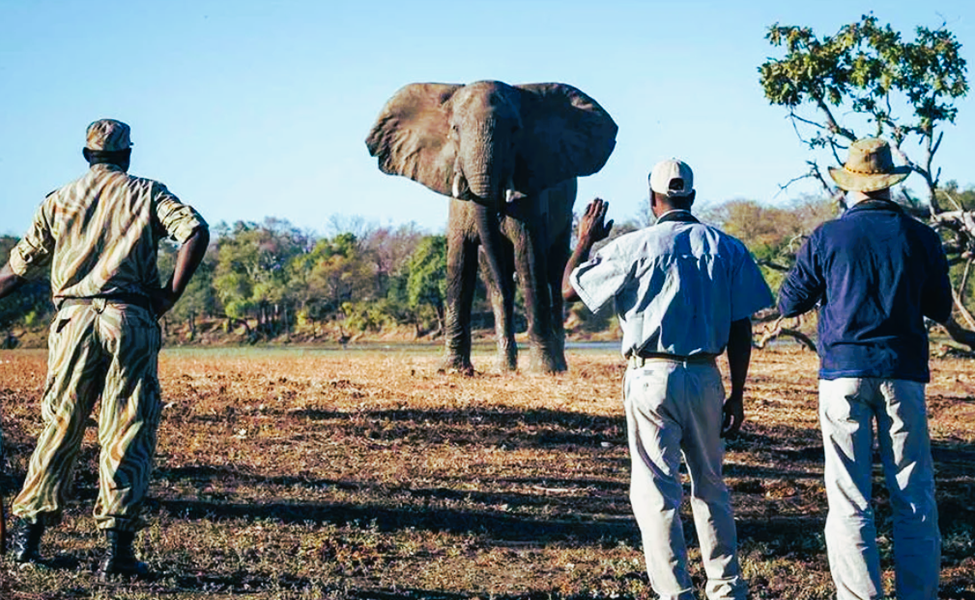
Walking safaris provide a closer connection with the smaller details of the natural environment and are among the fascinating Types of Safaris in the Masai Mara. Instead of viewing wildlife only from a vehicle, participants explore selected areas on foot with trained guides. Visitors can learn to identify animal tracks, plants, insects, birds, and other signs of wildlife activity. However, walking safaris require careful safety procedures because participants are outside a vehicle. Furthermore, these experiences can help travelers develop a deeper appreciation for the ecosystem and its smaller natural details. The exact availability and conditions of walking safaris depend on the area, conservancy, and safari operator. Travelers should check the available activities before booking and follow their guide’s instructions at all times.
Hot Air Balloon Safaris
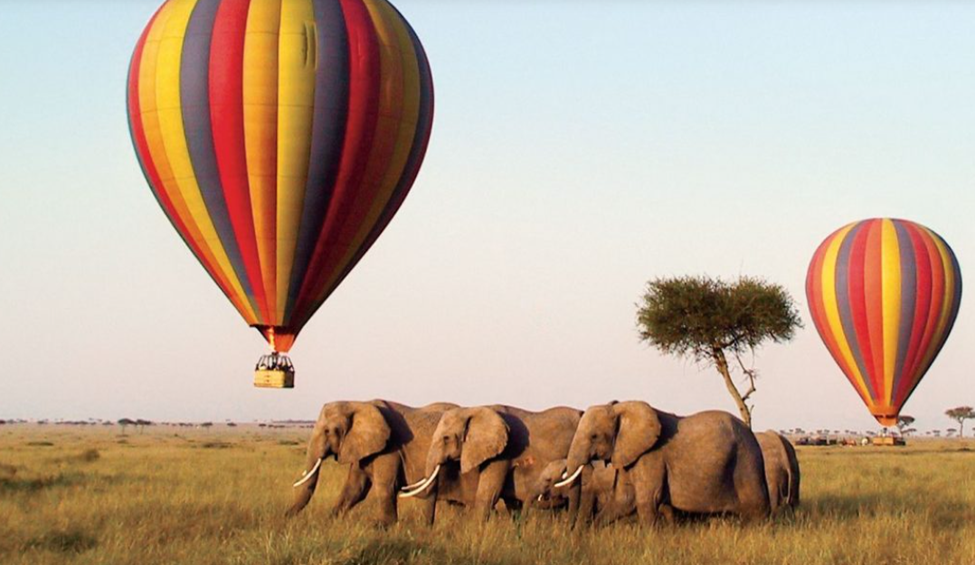
Hot-air balloon safaris provide a spectacular bird’s-eye view of the Masai Mara. Usually, these excursions begin before sunrise, allowing passengers to watch the landscape gradually brighten from above. From the air, travelers can see the Mara’s vast grasslands, wildlife, and winding waterways from a different perspective. After the flight, many operators traditionally arrange a breakfast in the bush, although the exact experience varies by operator and package. Balloon safaris are particularly appealing to photographers, couples, and travelers looking for a memorable addition to a traditional game-drive itinerary.
“Explore our other Masai Mara guides for more safari planning tips and travel information“
Types of Safaris in the Masai Mara for Different Travel Experiences
Night Safaris
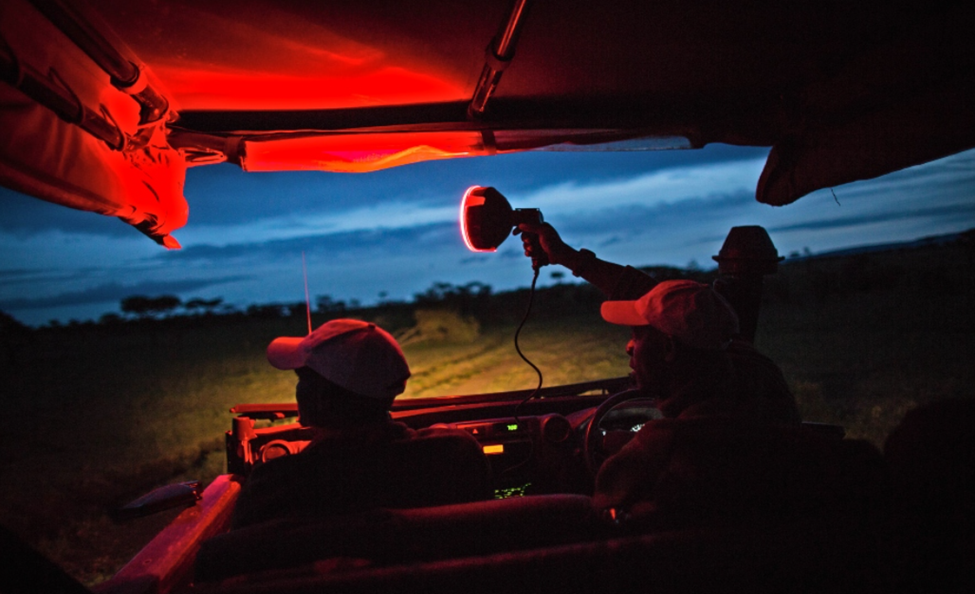
Night safaris offer a different perspective of the Masai Mara. After sunset, some wildlife becomes more active, giving visitors opportunities to observe nocturnal species and behaviors that they may not encounter during daytime drives. Depending on the location and local regulations, travelers may see animals such as hyenas, leopards, bush babies, civets, and other nocturnal species. Guides use appropriate lighting and safety procedures to observe wildlife responsibly. Importantly, night drives are not available throughout the Masai Mara National Reserve and may depend on the conservancy or private area where visitors stay
Cultural Safaris
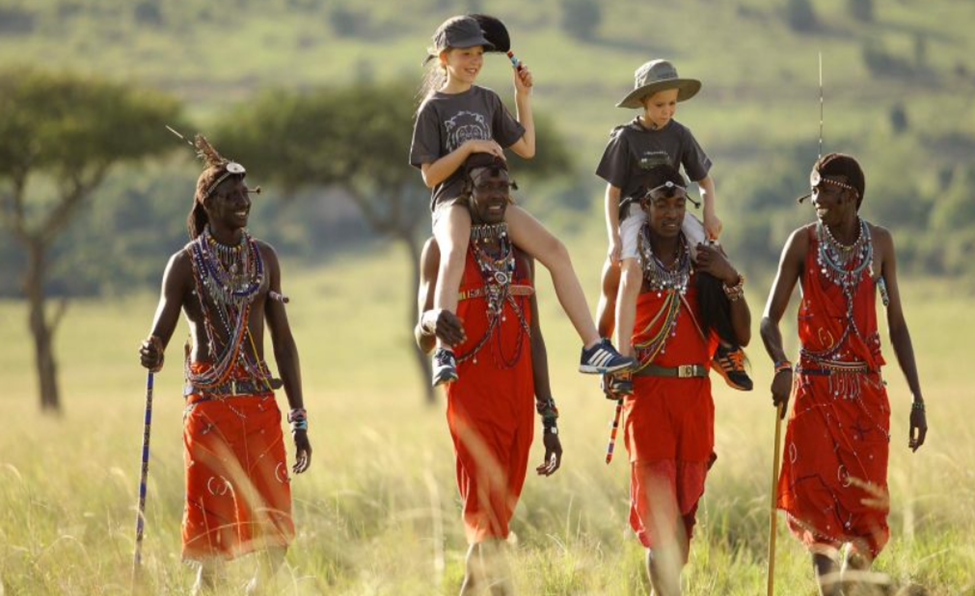
Cultural safaris introduce visitors to Maasai communities and provide opportunities to learn about local traditions, lifestyles, crafts, and cultural practices. They are an important part of the Types of Safaris in the Masai Mara available to travelers seeking a cultural experience alongside wildlife viewing. Visitors may participate in activities such as traditional dances, demonstrations, storytelling, or craft experiences, depending on the community and tour arrangement. Most importantly, responsible cultural tourism should respect local customs, protect community dignity, and provide fair benefits to participating communities.
These experiences can add an important cultural dimension to a wildlife-focused Masai Mara trip while helping visitors gain a better understanding of the region’s local communities and traditions.
Family Safaris
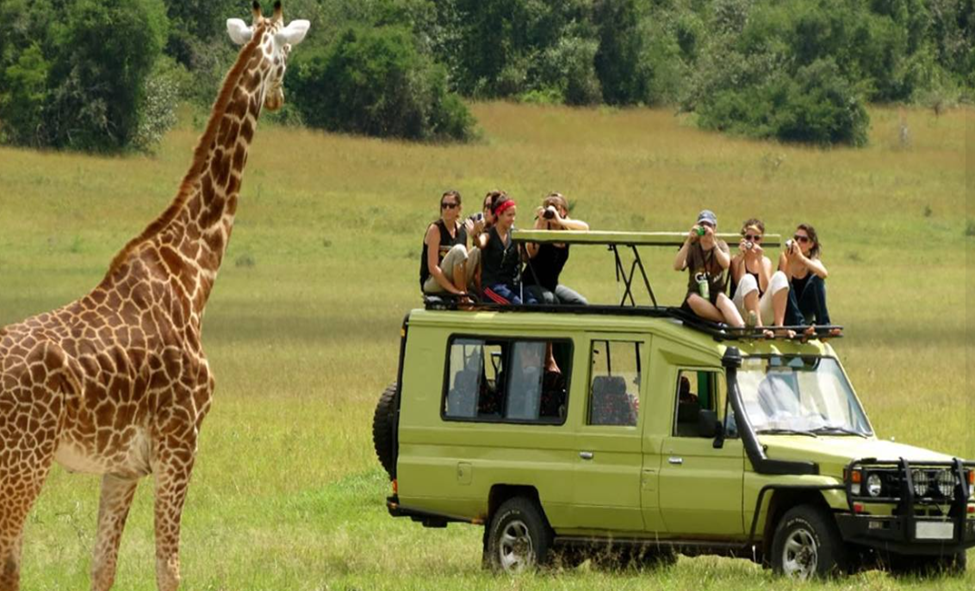
Family safaris in the Masai Mara can provide memorable experiences for travelers with children. For example, families can choose shorter game drives, child-friendly accommodations, and activities that match younger travelers’ ages and interests. Many safari lodges and camps offer family-oriented facilities, although amenities vary between properties. Guides can also explain wildlife and conservation topics in ways that children can understand. Before booking, families should check age restrictions, vehicle policies, meal arrangements, and the availability of suitable activities.
Private and Luxury Safaris
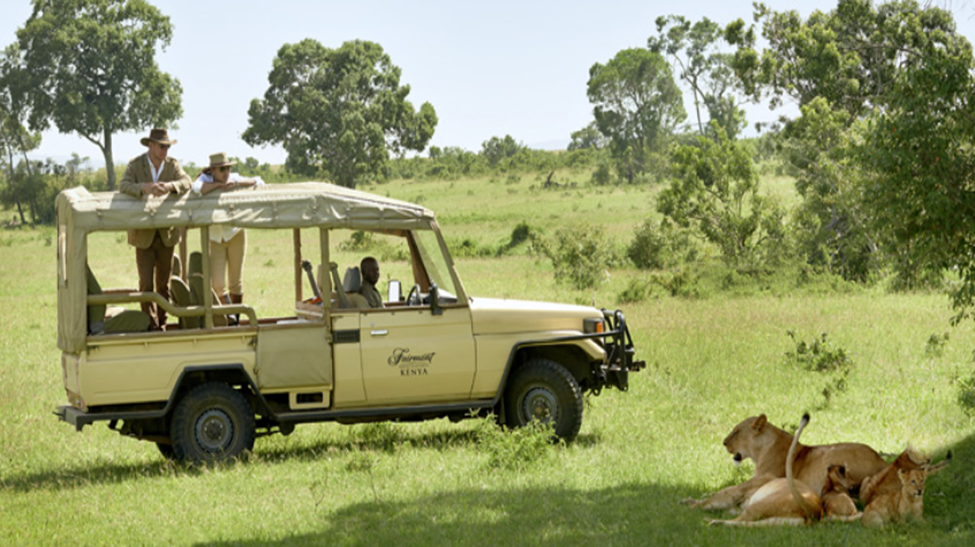
Private safaris offer greater flexibility and privacy compared with shared safari arrangements. Travelers may have a private vehicle and guide, allowing them to customize aspects of their daily schedule according to the operator’s terms. Luxury safaris focus on comfort, personalized service, high-quality accommodations, fine dining, and carefully planned experiences. Some properties also provide private plunge pools, spa services, private dining, or exclusive activities. Therefore, private and luxury safaris can appeal to couples, honeymooners, families, and travelers seeking a more personalized experience.
Photographic Safaris
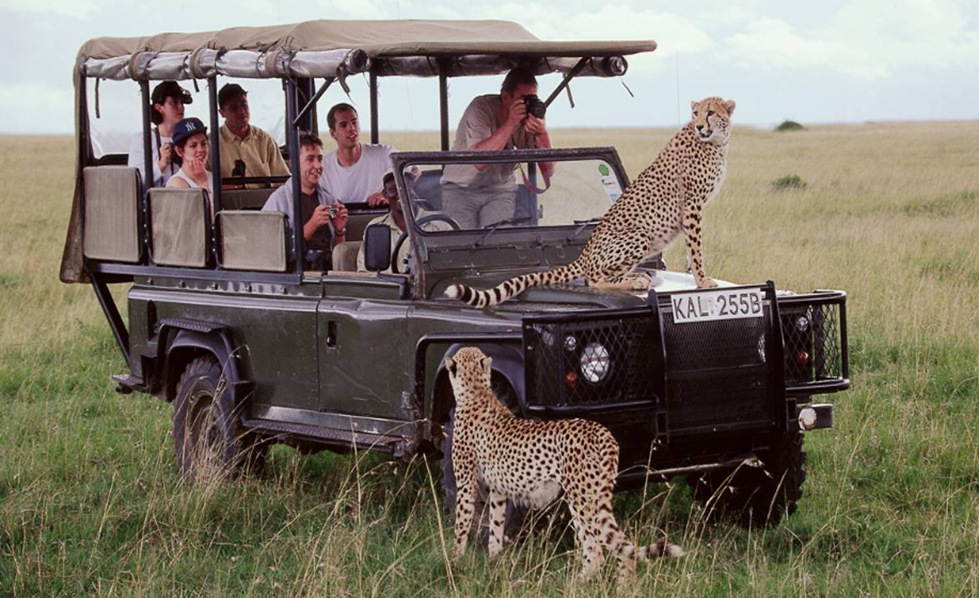
Photographic safaris in the Masai Mara focus specifically on wildlife photography. Guides with strong knowledge of animal behavior and local wildlife patterns can help photographers position themselves for suitable viewing and photography opportunities. Travelers may spend additional time observing animal behavior rather than simply moving from one sighting to another. Furthermore, specialized photographic vehicles may provide additional space for camera equipment and improved positioning. Photographers should still maintain a respectful distance from wildlife and follow all park and conservancy rules.
Horseback Safaris
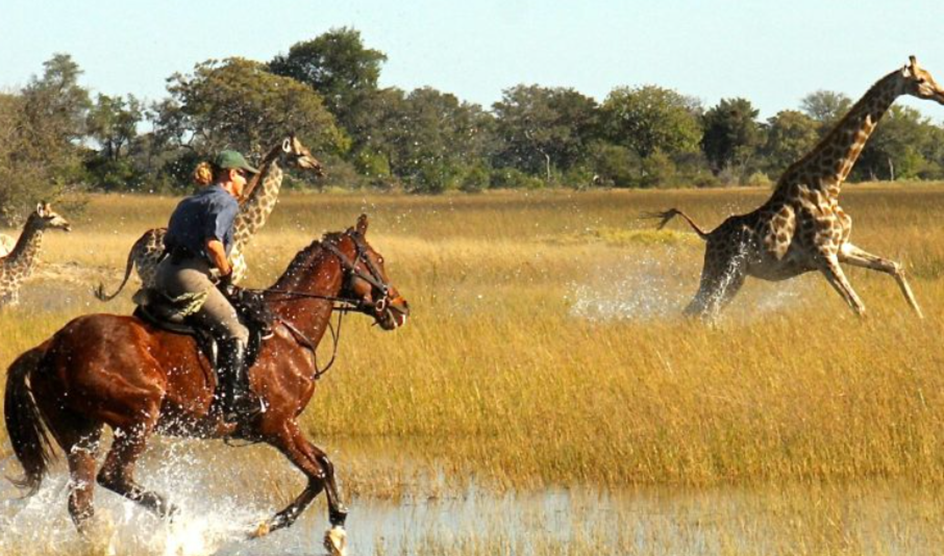
Horseback safaris offer a different way to experience the Masai Mara’s landscapes and are one of the unique Types of Safaris in the Masai Mara. Riders travel across selected grassland areas without the noise of a conventional safari vehicle, creating a quieter way to enjoy the surroundings. As a result, horseback experiences can provide a peaceful way to observe the landscape while enjoying the riding experience. However, the routes and wildlife encounters differ from those available on traditional game drives. Riders should have the appropriate level of riding experience and follow the guide’s instructions carefully. Availability also depends on the specific conservancy or safari operator, so travelers should confirm the experience and riding requirements before booking.
Birdwatching Safaris
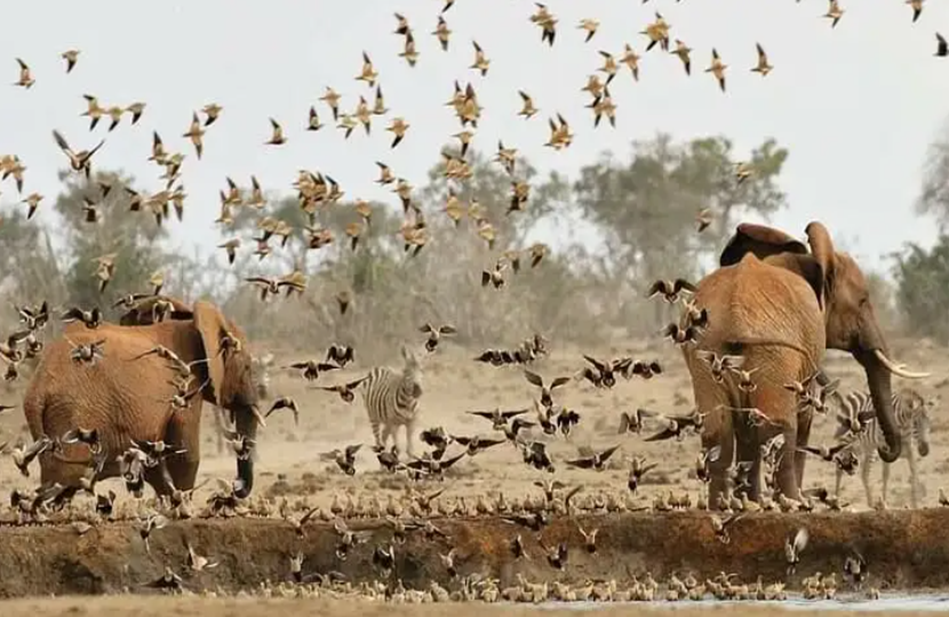
Birdwatching is another rewarding safari option in the Masai Mara. The ecosystem supports a wide variety of resident and migratory bird species. Travelers may encounter birds such as eagles, vultures, storks, hornbills, rollers, kingfishers, and many smaller grassland species. For this reason, travelers interested in birds may prefer itineraries that allow extra time for bird identification and photography. A knowledgeable guide can make the experience more informative by explaining bird behavior, habitats, and seasonal changes.
Great Migration Safari Experiences
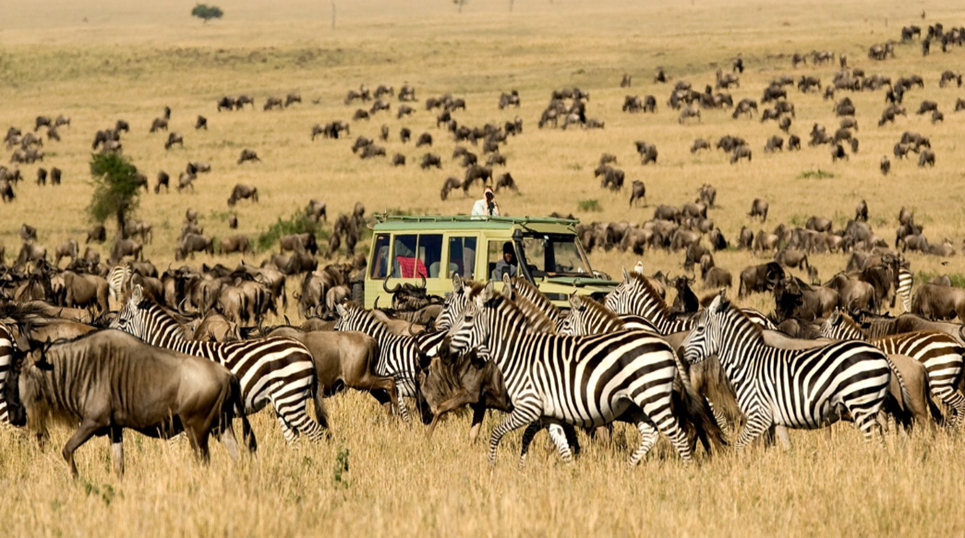
The Great Migration is another major reason travelers visit the Masai Mara. During the annual movement, large herds of wildebeest and zebra can enter the Mara ecosystem from the Serengeti. However, the exact timing and location of the herds can change from year to year. Travelers who want to focus on the migration should plan their trip around seasonal patterns while understanding that specific wildlife events cannot be guaranteed. River crossings, when they occur, can be dramatic, but visitors can still enjoy excellent wildlife viewing even when a crossing does not take place.
Choosing the Right Types of Safaris in the Masai Mara
The best safari type depends on your interests, budget, travel companions, and preferred level of comfort.
- For first-time visitors: Game drives provide a classic introduction to the Masai Mara.
- For photographers: Photographic safaris allow more time for wildlife observation and photography.
- For families: Family-focused safaris can provide age-appropriate activities and accommodations.
- For couples: Private, luxury, and balloon safari experiences can add a special touch.
- For adventure seekers: Walking and horseback safaris can provide a different perspective.
- For culture enthusiasts: Cultural experiences provide opportunities to learn about Maasai traditions.
- For wildlife enthusiasts: Great Migration and extended game-drive itineraries can focus on seasonal wildlife movements.
- For birdwatchers: Specialized birdwatching trips can provide more time for identifying different species.
Planning Your Types of Safaris in the Masai Mara Experience
When planning a Masai Mara trip, travelers should compare safari activities, accommodation options, travel dates, costs, and the rules that apply to different areas. In addition, checking the activities offered by a specific lodge, camp, conservancy, or safari operator can help travelers select an experience that matches their interests.
Planning Your Safari?
Make your trip more comfortable and convenient with useful travel essentials available on Amazon.
Explore AMAZON TRAVEL PRODUCTS.
Final suggestion
The Masai Mara caters to a wide range of safari interests and travel styles. From traditional game drives and walking safaris to balloon flights, cultural experiences, photography trips, and horseback adventures, each option provides a different way to experience the destination. Ultimately, travelers should choose their safari based on their interests, available time, budget, accommodation, and desired level of comfort. Checking the activities offered by the specific lodge, camp, conservancy, or safari operator before booking can also help ensure that the experience matches your expectations.