
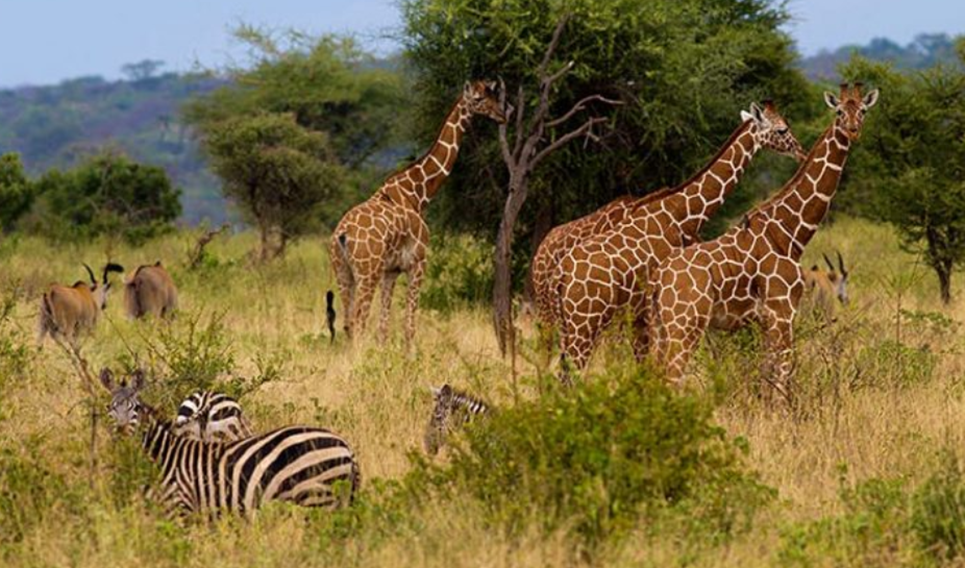
The Masai Mara is one of Kenya’s most famous wildlife destinations and forms part of the larger Serengeti-Mara ecosystem. Its open grasslands, riverine forests, seasonal wetlands, and surrounding conservancies support a remarkable variety of mammals, birds, reptiles, and other wildlife. As a result, visitors can experience diverse Wildlife in Masai Mara throughout the year. The Masai Mara supports the famous Big Five, large herds of wildebeest and zebra, several species of antelope, powerful predators, colorful birds, hippos, crocodiles, and many smaller animals. However, wildlife sightings depend on factors such as season, habitat, weather, animal movements, and the location of your safari.
Wildlife in Masai Mara: The Big Five
The Big Five remain one of the main attractions for safari travelers visiting the Masai Mara. They include lions, leopards, elephants, buffaloes, and rhinos. Although the term originally referred to animals that were considered difficult and dangerous to hunt, today it is mainly associated with wildlife viewing and photography.
Lions
Lions are among the most frequently sought-after predators in the Masai Mara. They often live in prides and may be seen resting in the shade, moving across the grasslands, or watching potential prey. Early morning and late afternoon can provide good opportunities to observe lions because temperatures are generally cooler and the animals may become more active. Furthermore, their social behavior can make lion sightings particularly interesting for wildlife photographers.
Leopards
Leopards are more elusive than lions and can require patience to locate. They often rest in trees or dense vegetation, where their spotted coats provide excellent camouflage. A knowledgeable guide can improve the chances of finding a leopard by recognizing tracks, alarm calls, and other signs of its presence. However, sightings are never guaranteed because these animals can remain hidden for long periods.
Elephants
Elephants can be seen moving across the Masai Mara’s grasslands and woodland areas. They often travel in family groups led by experienced females. Visitors may observe elephants feeding, walking between water sources, or interacting with other members of their groups. In addition, watching elephants at a respectful distance allows travelers to appreciate their size, social behavior, and importance to the ecosystem.
African Buffaloes
African buffaloes are strong herd animals and can often be seen grazing across open areas. Large herds may move together while searching for fresh grass and water. Buffaloes can appear calm while grazing, but they remain powerful wild animals. Therefore, visitors should always follow their guide’s instructions and maintain an appropriate distance.
Rhinos
Rhinos are among the more difficult Big Five animals to encounter in the Masai Mara. Their numbers and distribution differ from those of more commonly seen species. Visitors may have opportunities to see rhinos in suitable areas, but a sighting should never be considered guaranteed. For this reason, travelers should focus on enjoying the overall wildlife experience rather than expecting to complete the Big Five during a single game drive.
Wildlife in Masai Mara During the Great Migration
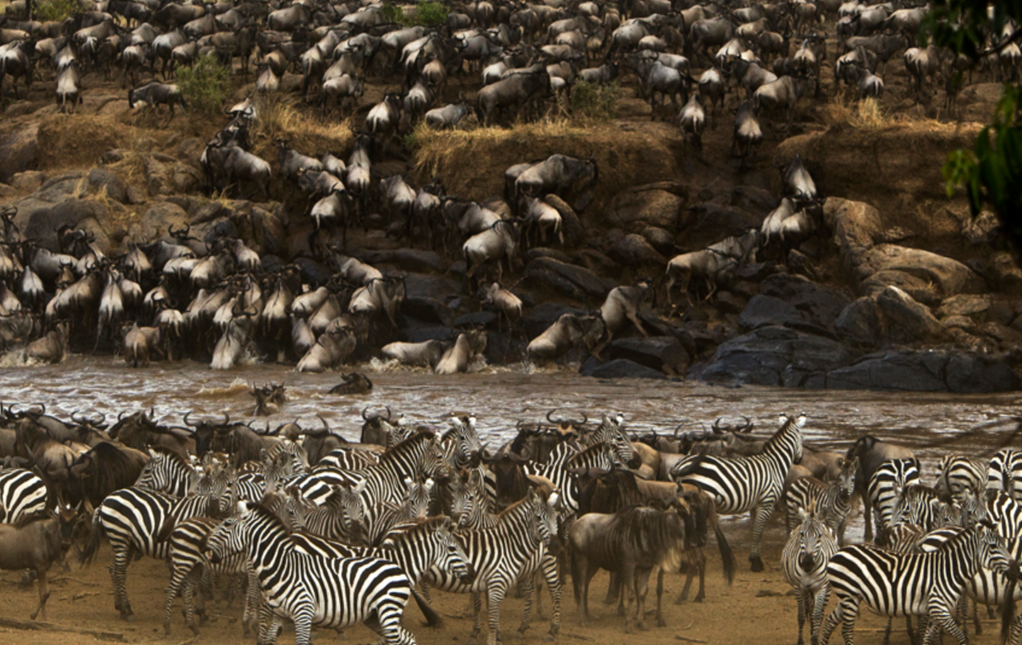
The Great Migration is one of the most spectacular wildlife events associated with the Masai Mara. Large numbers of wildebeest and zebra move through the Serengeti-Mara ecosystem as they search for fresh grazing and water. As a result, visitors can witness remarkable Wildlife in Masai Mara during different stages of the migration. The migration is not a single event that begins and ends on fixed dates. Instead, it is a continuous movement influenced by rainfall, food availability, and environmental conditions. Therefore, the timing and location of wildlife sightings can vary from year to year.
Mara River Crossings
The Mara River crossings are among the most dramatic scenes associated with the migration. When herds approach the river, animals may gather along the banks before crossing. These crossings can involve strong currents, steep banks, crocodiles, and large groups of moving animals. However, travelers should understand that a river crossing cannot be predicted precisely. The herds may remain in one area for some time or change direction without warning.
Predators During the Migration
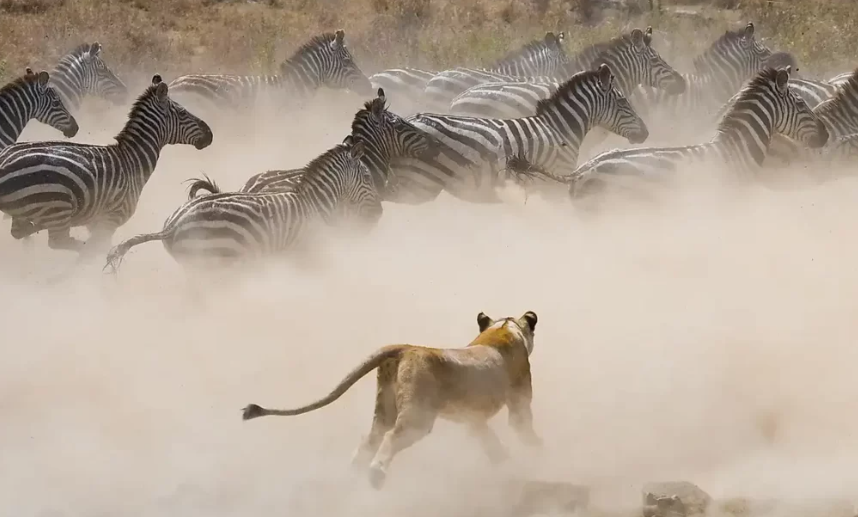
Large concentrations of herbivores can attract predators such as lions, cheetahs, leopards, and hyenas. As a result, migration periods can provide opportunities to observe predator-prey interactions. Nevertheless, wildlife behavior remains unpredictable. Travelers may witness hunting activity, but they should never expect a particular event to occur during a scheduled game drive.
Predators Beyond the Big Five
The Masai Mara supports several predators beyond lions and leopards. These animals play important roles in maintaining the balance of the ecosystem.
Cheetahs
Cheetahs are well known for their speed and are often associated with open grasslands. Their body shape and long legs allow them to accelerate rapidly when pursuing prey. They may be easier to observe during daylight hours when they are active in open areas. Nevertheless, their sightings depend on local conditions and their movements.
Spotted Hyenas
Spotted hyenas are highly social predators and scavengers. They live in complex clans and communicate through a variety of calls and body signals. Although they are often associated with scavenging, hyenas also hunt actively. Therefore, observing their behavior can provide a broader understanding of predator interactions in the Masai Mara.
African Wild Dogs
African wild dogs are much less commonly encountered than lions, hyenas, or cheetahs. Their movements can cover large areas, making sightings unpredictable. Travelers should treat any encounter as a special wildlife opportunity rather than expecting to see them on every safari.
Smaller Predators
The ecosystem also supports smaller carnivores and nocturnal species, including jackals, servals, genets, and other small predators. These animals can be easier to miss during a fast-paced game drive. For this reason, travelers interested in smaller wildlife should ask their guide to allow time for careful observation.
Explore our other Masai Mara guides for more safari planning tips and travel information
Wildlife in Masai Mara: Herbivores and Smaller Animals
The Masai Mara supports a wide variety of herbivores beyond the famous Big Five. These animals form a major part of the ecosystem and provide an important food source for predators. Together, they contribute to the rich Wildlife in Masai Mara and help maintain the natural balance of the ecosystem.
Giraffes
Giraffes can often be seen browsing on leaves from trees and shrubs. Their height gives them access to vegetation that many other herbivores cannot reach. Their slow movements and distinctive appearance also make them popular subjects for wildlife photography.
Zebras
Zebras are commonly associated with the open grasslands of the Mara ecosystem. They may travel in groups and often share grazing areas with wildebeest and other herbivores. During migration periods, large numbers of zebra may move through the ecosystem alongside wildebeest.
Wildebeest
Wildebeest are among the most recognizable animals in the Masai Mara. Their annual movement through the Serengeti-Mara ecosystem forms a major part of the Great Migration. Outside the major migration period, travelers can still encounter wildebeest in the ecosystem.
Antelopes
The Masai Mara supports several antelope species, including impalas, topis, elands, gazelles, and other grazers. Different species occupy different habitats and use different feeding strategies. Consequently, observing several antelope species can add variety to a game drive.
Warthogs and Other Grazers
Warthogs can often be recognized by their distinctive appearance and habit of moving quickly across open areas. They may graze or search for food while keeping alert for predators. Together, these herbivores contribute to the complex food web that supports the Mara ecosystem.
Birdlife in the Masai Mara
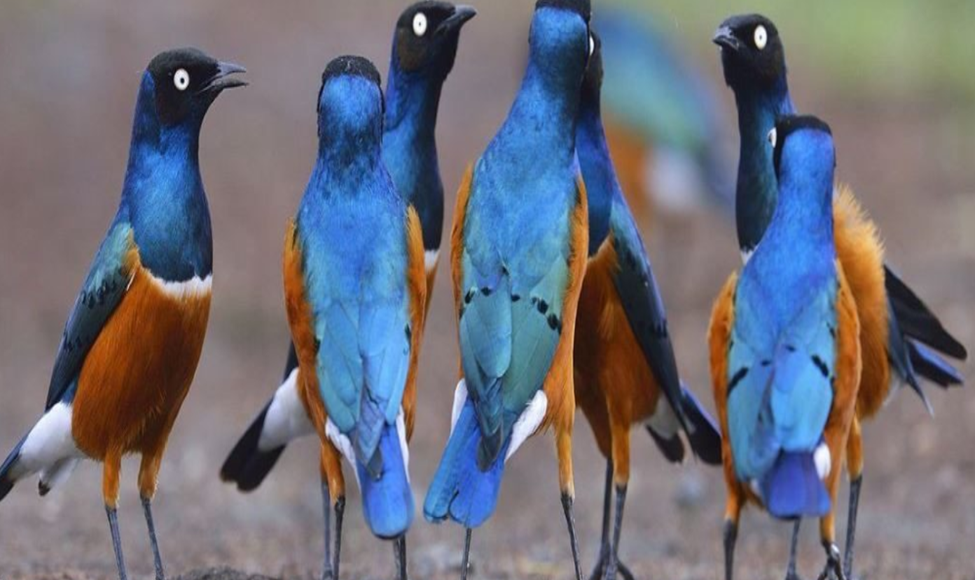
The Masai Mara is a birdwatcher’s paradise, with more than 450 bird species recorded in the reserve. This includes both resident and migratory species, making birdwatching an important part of the Wildlife in Masai Mara experience. Large birds such as ostriches and secretary birds are frequently spotted. Raptors, including eagles and vultures, often soar above the savannah. In addition, vultures play an important ecological role by helping remove animal remains from the environment.
The Masai Mara is also home to colorful species such as lilac-breasted rollers, kingfishers, and hornbills. Furthermore, birdwatchers can benefit from traveling with an experienced guide who can identify species based on their appearance, calls, habitat, and behavior.
Hippos, Crocodiles, and Aquatic Wildlife
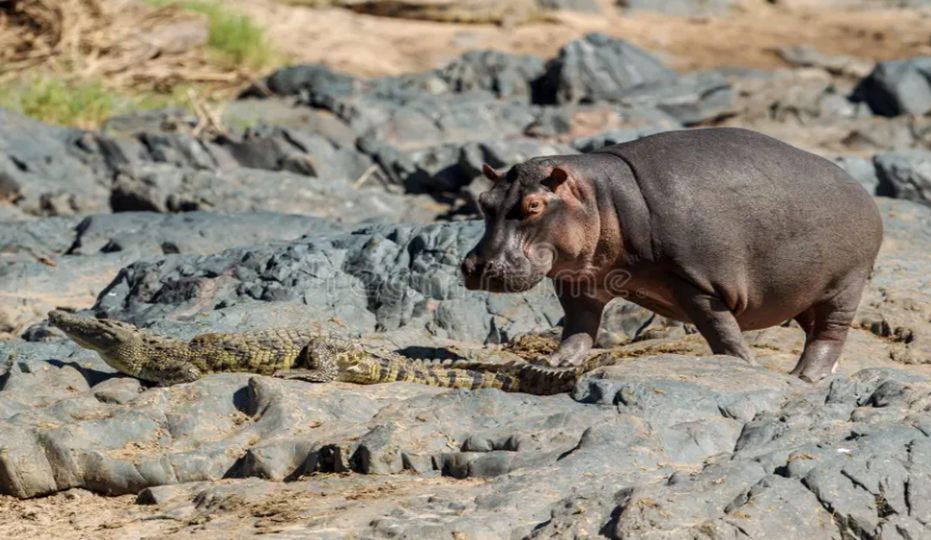
The Mara River and other water sources support a different group of wildlife. Hippos spend much of their time in water during the heat of the day and may emerge to feed on grass. Their large size can make them impressive to observe, but visitors should always maintain a safe distance. Crocodiles can also be found in suitable waterways. They may remain almost motionless near the water’s edge, making them easy to overlook. Importantly, water-based wildlife should only be observed from approved and safe locations because both hippos and crocodiles can be dangerous.
Smaller Mammals and Reptiles
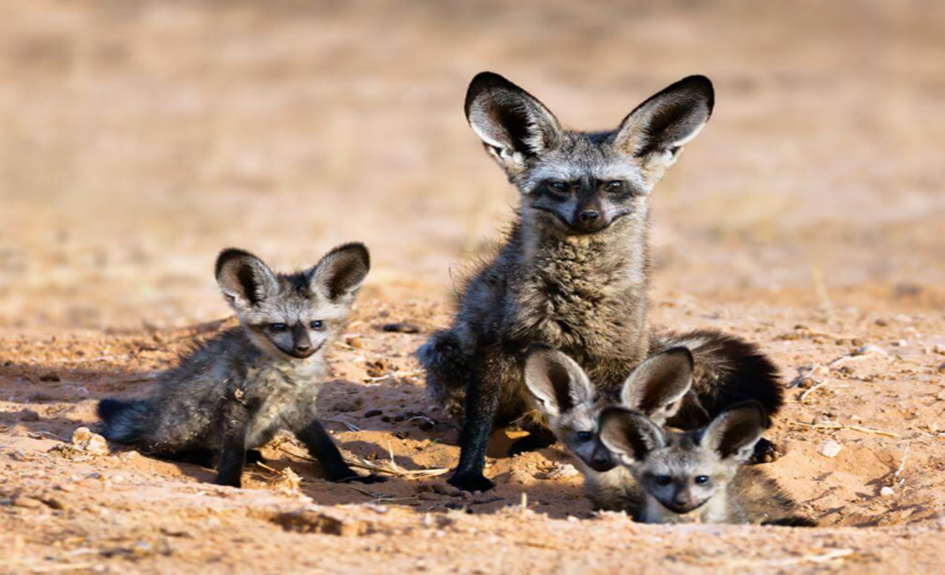
A safari through the Masai Mara can reveal many smaller animals if travelers take time to look carefully.
These may include:
- Baboons
- Vervet monkeys
- Mongooses
- Genets
- Servals
- Jackals
- Bat-eared foxes
- Small antelope species
- Warthogs
- Various rodents and other small mammals
The ecosystem also contains reptiles such as snakes, lizards, tortoises, and other species. However, smaller animals can be more difficult to spot because they may hide in vegetation, burrows, rocks, or dense habitats.
Where Can You See Wildlife in the Masai Mara?
Wildlife distribution varies across the Masai Mara, and different habitats support different species.
Open Grasslands
The open plains provide excellent visibility and support animals such as wildebeest, zebra, gazelles, topis, and other grazing species. Predators also use these areas when searching for prey.
Riverine Areas
Vegetation along rivers and streams can provide food, water, and shelter for numerous species. These areas may also support elephants, hippos, crocodiles, birds, and other wildlife.
Woodlands and Bush Areas
Wooded areas can provide shelter for animals that prefer more cover. Leopards and smaller mammals may use these habitats, although sightings can be more difficult because vegetation limits visibility.
Conservancies
Private and community conservancies surrounding the Masai Mara National Reserve can provide additional wildlife-viewing opportunities. Depending on local rules and the specific conservancy, visitors may also have access to activities such as guided walks or night drives. Therefore, the location of your accommodation can influence the types of wildlife experiences and activities available during your trip.
Wildlife by Season
Wildlife viewing remains possible throughout the year, but conditions can change with the seasons.
Seasonal Viewing Guide
January to March: These months can offer green landscapes and generally productive wildlife-viewing conditions. Travelers may encounter a variety of herbivores and predators across the ecosystem.
April to May: The long-rains period can bring wetter conditions and lush vegetation. Animals may spread across larger areas because water and fresh vegetation become more widely available. As a result, game drives can sometimes require additional patience, although the green scenery can create excellent photography opportunities.
June to October: The drier months can make wildlife easier to locate in some areas because animals may concentrate around reliable water sources. This period is also associated with the movement of large herds into the Mara ecosystem. However, the timing and location of the migration can change from year to year.
November to December: Short rains can bring fresh vegetation and changing wildlife conditions. Bird activity can also be interesting during periods when migratory species are present.
Best Time for Wildlife Viewing
There is no single month that guarantees the best wildlife experience for every traveler. The ideal time depends on the species you want to see, your preferred weather conditions, and the type of safari experience you want. The dry season can make wildlife easier to locate in some areas, while wetter months can provide greener scenery, bird activity, and fewer dry-season conditions.
Travelers interested in the Great Migration often consider the period when large herds may enter the Mara ecosystem. Nevertheless, the exact timing depends on rainfall and natural conditions, so travelers should avoid planning around a guaranteed river crossing or specific animal movement.
Wildlife Photography Tips
The Masai Mara offers excellent opportunities for wildlife photography. However, good photographs require patience, appropriate equipment, and responsible behavior.
Consider the following tips:
- Carry a camera with a suitable telephoto or zoom lens.
- Use early morning and late afternoon light when conditions are favorable.
- Keep your camera ready because wildlife can become active unexpectedly.
- Ask your guide about animal behavior and positioning.
- Avoid disturbing animals for a photograph.
- Never ask a driver to approach wildlife in a way that violates park or conservancy rules.
- Use binoculars when an animal is too far away for a clear photograph.
- Be patient rather than expecting every sighting to produce a perfect photograph.
Most importantly, wildlife photography should never take priority over animal welfare or visitor safety.
Wildlife Viewing and Safari Safety
Wild animals can behave unpredictably, even when they appear calm. Travelers should therefore follow their guide’s instructions throughout every safari.
Important safety practices include:
- Remain inside the safari vehicle where required.
- Never approach wild animals on your own.
- Do not feed or attempt to touch wildlife.
- Avoid sudden movements and loud noises.
- Keep a safe distance from animals.
- Follow the rules of the national reserve or conservancy.
- Listen carefully to your guide during walking activities.
- Avoid using flash photography when it may disturb wildlife.
In addition, travelers should remember that animals have different comfort zones. Respecting these boundaries helps protect both visitors and wildlife.
Can You See All the Big Five in One Safari?
It is possible to encounter several or even all of the Big Five during a safari, but no responsible operator can guarantee every sighting. Lions, elephants, and buffaloes may be easier to encounter in some areas, while leopards and rhinos can require more patience and favorable conditions.
Therefore, travelers should focus on the overall safari experience rather than treating the Big Five as a checklist. Every wildlife encounter can offer something different, from observing a pride of lions to watching elephants interact within a family group.
Conservation and Responsible Wildlife Tourism
The Masai Mara depends on effective conservation to protect its wildlife and habitats. Conservation involves more than protecting individual animals. It also requires maintaining grasslands, waterways, migration routes, and the broader ecosystem that supports the diverse Wildlife in Masai Mara. Anti-poaching measures, habitat protection, wildlife monitoring, and community conservation initiatives can all contribute to protecting the region. In addition, these efforts help maintain important habitats and support the movement of wildlife across the wider Serengeti-Mara ecosystem.
Local communities also play an important role. Community conservancies can connect tourism with conservation while providing economic opportunities for local residents. As a result, sustainable tourism can create incentives to protect wildlife and natural habitats. Furthermore, responsible tourism can help support conservation when travelers choose reputable operators, respect local communities, follow wildlife-viewing rules, and avoid activities that disturb animals. By following these practices, visitors can enjoy the Wildlife in Masai Mara while contributing to its long-term protection.
Planning Your Safari?
Make your trip more comfortable and convenient with useful travel essentials available on Amazon.
Explore AMAZON TRAVEL PRODUCTS
Final Thoughts
The Masai Mara offers far more than the famous Big Five. Visitors can encounter lions, leopards, elephants, buffaloes, rhinos, cheetahs, hyenas, giraffes, zebras, wildebeest, antelopes, hippos, crocodiles, and hundreds of bird species. The diversity of species changes across habitats and seasons, making every safari different. From the open grasslands and riverine areas to surrounding conservancies, each environment provides opportunities to observe different species and behaviors. Ultimately, the best approach is to travel with realistic expectations, choose an experienced guide, allow enough time for wildlife viewing, and respect the animals and communities that make the Masai Mara such a remarkable destination.



2 Comments