
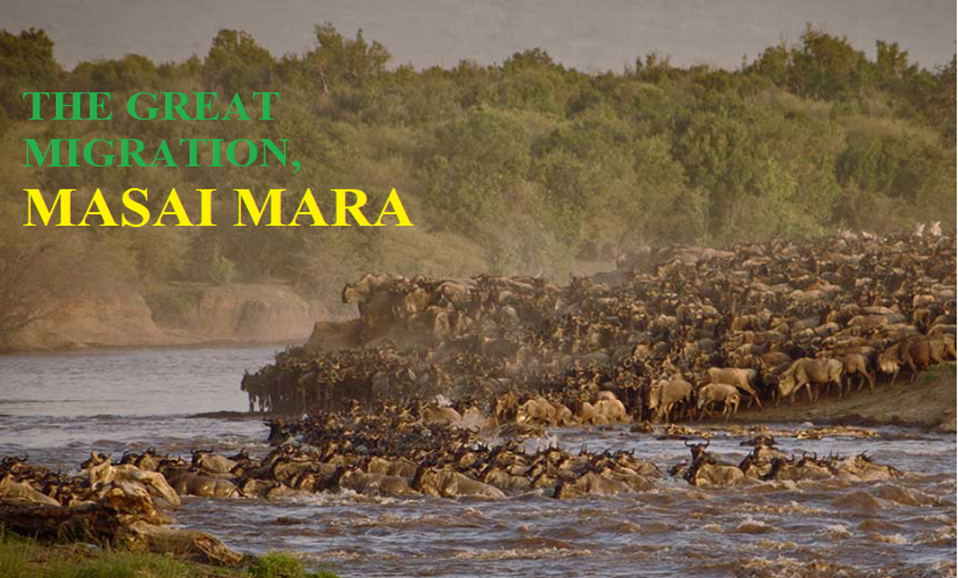
The Great Migration in the Masai Mara is one of Africa’s most remarkable wildlife spectacles. Every year, huge herds of wildebeest and zebra move through the Serengeti-Mara ecosystem in search of fresh grazing and water. During this remarkable journey, the animals move across vast areas of the ecosystem. Consequently, their movement also attracts predators such as lions, cheetahs, hyenas, and crocodiles. For many travelers, witnessing the Great Migration in the Masai Mara is a once-in-a-lifetime safari experience. However, successful migration viewing requires more than simply arriving during the right month. In addition, factors such as timing, location, accommodation, safari planning, patience, and weather can all influence what you see.
The following guide explains how to witness the migration and how to make the most of your safari.
Choose the Right Time for the Great Migration in the Masai Mara
Timing is one of the most important factors when planning a migration safari. The main period associated with the Great Migration in the Masai Mara is generally July through October. During these months, large herds can enter the Mara ecosystem, and some may cross the Mara River. However, the migration does not operate according to a fixed calendar. Rainfall, grass availability, water, and animal behavior influence where the herds travel. Therefore, nobody can guarantee that the animals will be in a particular location on a specific date.
Best Months for the Great Migration in the Masai Mara
July: Migration activity can begin increasing in the Mara, although the exact timing varies.
August: This is a popular period for migration safaris and can provide opportunities to witness river crossings.
September: Large herds may remain in the Mara, making this another popular month for migration-focused trips.
October: Migration activity can continue, although the exact location of the herds depends on seasonal conditions.
If your primary goal is to see the migration, plan around the broader seasonal window rather than a single date.
Understand the Great Migration Route
The Great Migration in the Masai Mara is part of a much larger annual movement through the Serengeti-Mara ecosystem. Throughout the year, wildebeest, zebra, and other grazing animals move in response to changing environmental conditions. As a result, the animals spend different parts of the year in different areas, so the Masai Mara represents only one important part of their annual journey.
Eventually, when the herds reach northern Tanzania and move toward Kenya, they can enter the Masai Mara ecosystem. During this period, the movement can create spectacular scenes as large groups spread across the savannah.
Therefore, understanding this larger cycle helps travelers avoid the misconception that the migration simply “starts” in July and “ends” in October.
Select a Strategic Location for the Great Migration in the Masai Mara
The Masai Mara covers a large area, so your accommodation’s location can influence your safari experience. If your main objective is to look for river-crossing activity, consider accommodation in areas that provide practical access to sections of the Mara River. The Talek area can also provide access to wildlife-rich parts of the ecosystem, depending on your camp’s exact location and current animal movements. However, staying beside a river does not guarantee a crossing. Herds can move to different sections of the ecosystem, wait before entering the water, or change direction entirely.
When selecting accommodation, consider:
- Distance to likely wildlife areas
- Access to the reserve or conservancy
- Camp location
- Safari vehicle arrangements
- Guide quality
- Number of nights
- Camp rules
- Transfer time
- Seasonal pricing
A knowledgeable safari operator can help match your accommodation to your specific migration goals.
Choose Between the Reserve and Conservancies
The wider Masai Mara ecosystem includes the main reserve and surrounding conservancies. Your choice can influence the type of safari you experience. The main reserve is famous for its large open landscapes and wildlife viewing. Conservancies surrounding the reserve can offer a more private style of safari, depending on the individual conservancy and its rules. Some travelers choose to combine accommodation in different areas so they can experience different habitats and safari environments. Before booking, ask your operator exactly where the camp is located and how long it normally takes to reach the areas you want to explore.
Opt for Guided Safaris for the Great Migration in the Masai Mara
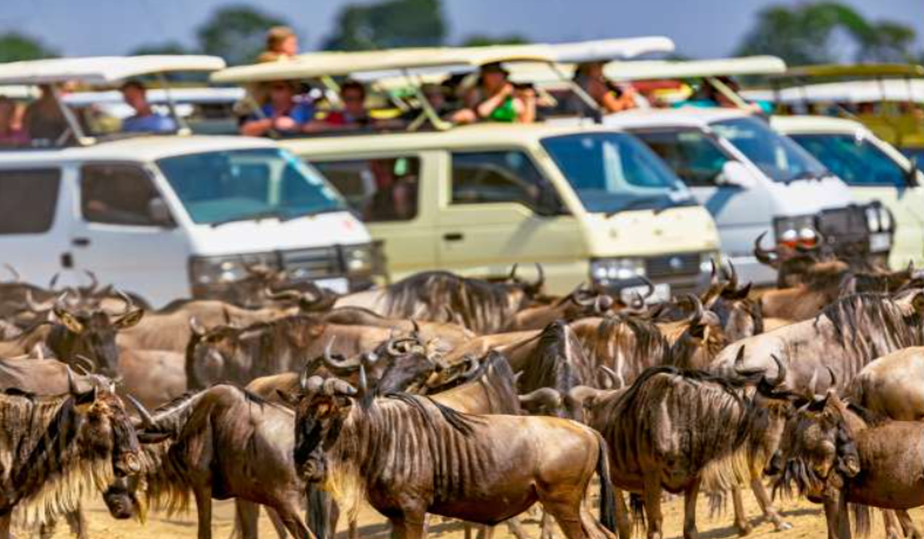
A guided safari can significantly improve your understanding of the migration.Experienced guides monitor wildlife activity, interpret animal behavior, and understand how conditions can affect daily sightings. They may also communicate with other guides about recent wildlife movements.
When selecting an operator, look for:
- Experienced safari guides
- Appropriate safari vehicles
- Good communication
- Clear inclusions and exclusions
- Responsible wildlife-viewing practices
- Reliable accommodation arrangements
- Positive recent traveler feedback
Do not choose an operator only because it advertises guaranteed river crossings. No responsible operator can guarantee that wild animals will cross a river on a particular day.
Prioritize Morning and Evening Game Drives
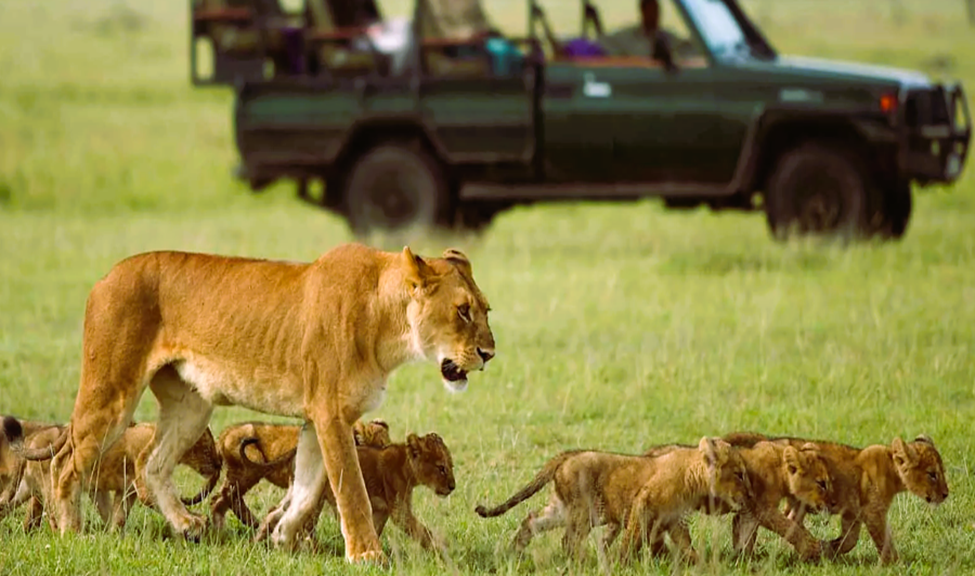
Animals can be active during cooler parts of the day, making early morning and late afternoon valuable periods for wildlife viewing.
Morning drives can provide opportunities to see predators returning from hunts, herds moving across open grasslands, and wildlife becoming active after sunrise.
Afternoon drives can reveal different animal behavior as temperatures change and wildlife becomes active again.
If your safari package permits flexible game-drive schedules, discuss your priorities with your guide. Remember that migration viewing is not limited to one specific time of day. A herd can move or cross a river whenever conditions and animal behavior lead to it.
Plan Several Days for the Great Migration in the Masai Mara
One of the biggest mistakes travelers can make is allowing only one day for migration viewing. The animals do not follow a tourist itinerary. A herd may be nearby one day and several kilometers away the next. At a river crossing, animals may gather at the bank for hours before entering the water. For this reason, consider staying for at least 3–4 nights if the migration is one of your main priorities. A longer stay gives your guide more opportunities to search different areas and gives you more time to observe wildlife without rushing.
Be Patient and Observant
Patience is essential when witnessing the migration. You may arrive at a river and see thousands of animals gathering near the water, only for them to remain there for an extended period. They may suddenly cross—or move away from the river altogether.
Watch the behavior of the animals rather than focusing only on the crossing itself.
Signs that a herd may be preparing to move can include:
- Animals gathering near a riverbank
- Herds repeatedly approaching the water
- Groups moving along the bank
- Increasing movement within the herd
- Animals reacting to other groups
These signs do not guarantee a crossing, but they can make the waiting period more interesting.
Understand Mara River Crossings
The Mara River crossings are among the most famous images associated with the Great Migration in the Masai Mara. During a crossing, wildebeest and zebra may enter the water in large groups. Strong currents, steep banks, rocks, crocodiles, and other hazards can make the crossing difficult. However, river crossings are unpredictable. Travelers should not expect to arrive on a particular morning and automatically see a crossing. Weather, herd location, water levels, and animal behavior can all influence the event. The best approach is to allow enough time, remain patient, and let your guide respond to current conditions.
Stay in Mobile Camps During the Great Migration in the Masai Mara
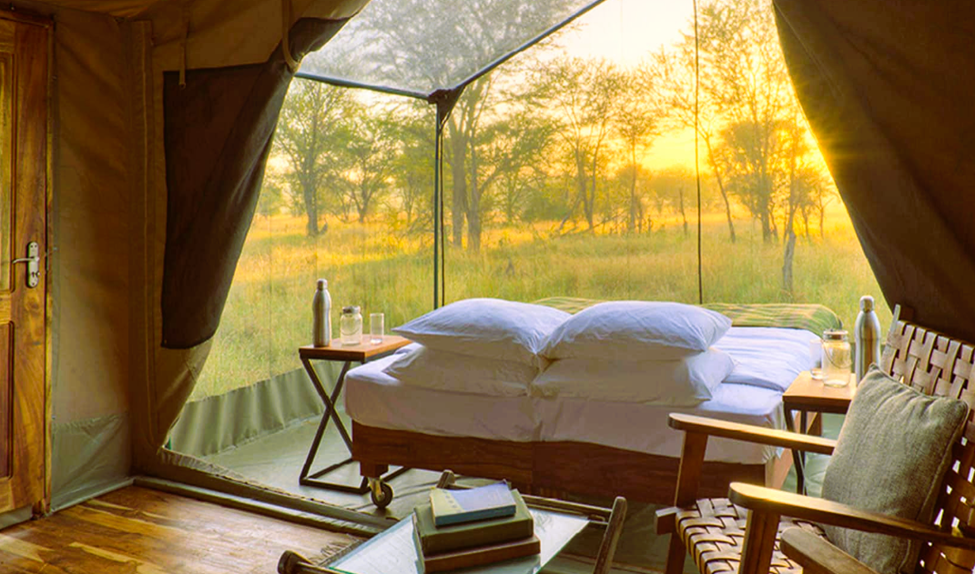
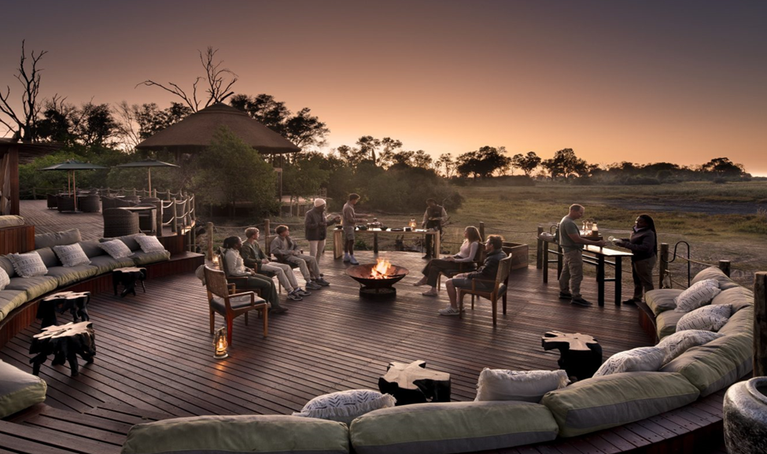
Mobile camps can be an appealing option for travelers who want a migration-focused experience. Some mobile camps relocate seasonally to follow wildlife movements and provide access to areas where migration activity is expected. This can reduce the need to make long daily transfers from a permanently fixed camp. Mobile camps can range from relatively simple tented accommodation to comfortable luxury setups.
Before booking, confirm:
- Where the camp will be located during your travel dates
- Whether the camp moves seasonally
- What meals are included
- Whether game drives are included
- Whether park or conservation fees are included
- Transfer arrangements
- Bathroom facilities
- Electricity and charging arrangements
- Emergency and communication procedures
Track the Herds with Your Safari Team
Migration planning does not end when you book your accommodation. Ask your safari operator how they monitor current wildlife movements. Guides may use local knowledge, communication networks, recent sightings, and observations from other safari teams. You can also ask your camp about recent sightings when you arrive. Keep in mind that information can change quickly. A report from yesterday does not guarantee that the herd will remain in the same location today.
Pack the Essentials
Prepare carefully for your safari excursion.
Important items include:
- Binoculars: Useful for watching animals from a safe distance.
- Camera with a zoom lens: A telephoto lens can help photograph distant wildlife.
- Comfortable layered clothing: Morning temperatures can feel cool before the day becomes warmer.
- Sun protection: Pack sunscreen, sunglasses, and a hat.
- Insect repellent: Useful during safari activities.
- Rain protection: A lightweight waterproof jacket can be useful during unpredictable showers.
- Spare batteries and memory cards: Important for photographers.
- Power bank: Useful when charging opportunities are limited.
Prepare for Different Weather Conditions
Even during the main migration period, weather can change. Early mornings may feel cool, while afternoons can become warm. Rain showers can also occur. Pack clothing that you can layer rather than relying on one heavy outfit.
A practical safari wardrobe includes:
- Lightweight shirts
- Long trousers
- Fleece or light jacket
- Comfortable closed shoes
- Hat
- Sunglasses
- Lightweight rain jacket
Photograph the Great Migration in the Masai Mara Responsibly
The Great Migration in the Masai Mara offers extraordinary photography opportunities, but getting a good photograph should never come at the expense of wildlife welfare. Use a telephoto lens when possible so that you can photograph animals without approaching them unnecessarily. Avoid shouting, sudden movements, or actions designed to make animals move for a photograph. A good wildlife photograph should capture natural behavior rather than create it.
Respect Wildlife and Their Habitat
Responsible tourism is essential in the Masai Mara. Maintain an appropriate distance from wildlife and follow your guide’s instructions. Do not feed animals, throw objects, make excessive noise, or attempt to attract their attention. Do not leave rubbish behind. Responsible behavior protects both visitors and wildlife and helps preserve the safari environment for future travelers.
Respect Local Communities and Culture
The Masai Mara is not only a wildlife destination. It is also part of a landscape where local communities live and work. If your itinerary includes a community visit, choose experiences that treat local people and their culture respectfully. Ask permission before photographing people. Follow the guidance of your hosts and avoid treating cultural traditions simply as photo opportunities. Supporting responsible community tourism can also help connect safari tourism with local livelihoods.
Book Early to Secure Your Spot
The Great Migration draws many visitors to the Masai Mara during the main travel season. Popular camps, lodges, mobile camps, private vehicles, and internal flights can have limited availability during peak travel dates. Booking early can give you more accommodation choices and greater flexibility when selecting your preferred location. Instead of waiting until the last moment, start planning several months ahead—especially if you want a particular camp or are traveling during July, August, or September.
Consider Adding a Hot-Air Balloon Safari
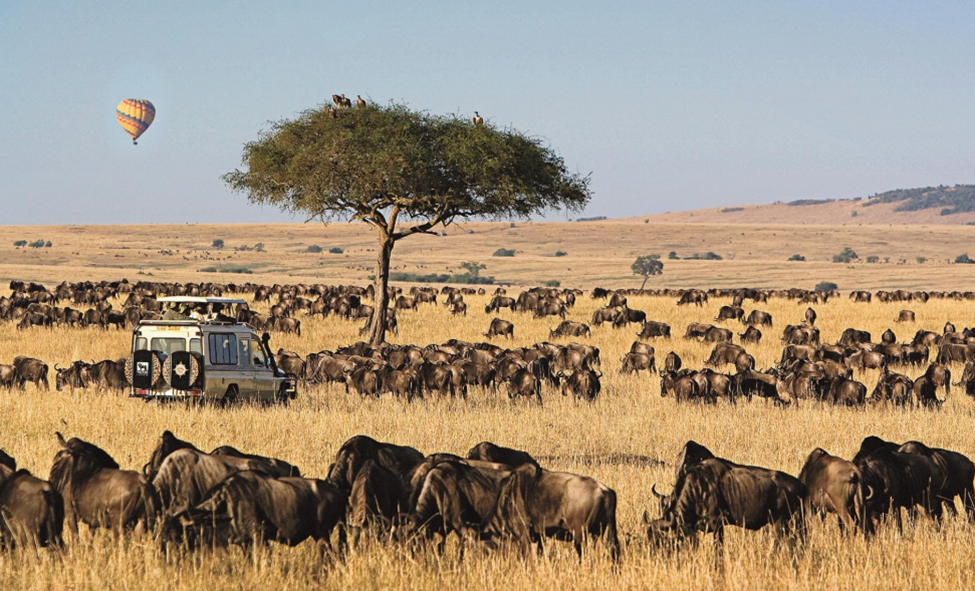
A hot-air balloon safari offers a completely different perspective of the Masai Mara. Early-morning flights can provide sweeping views over the savannah as the landscape becomes illuminated by the rising sun. From above, you may see wildlife moving across the plains. During migration season, large herds can sometimes be visible from the air, although wildlife sightings vary. Balloon flights are weather-dependent, so they should be treated as an additional experience rather than a guaranteed way to see the migration.
How Much Time Should You Spend in the Masai Mara?
The ideal length depends on your priorities.
2–3 Nights
A short stay can provide several game drives and a general introduction to the Masai Mara.
4–5 Nights
Four to five nights provide more time to explore different areas and respond to current wildlife movements.
6 Nights or More
A longer stay can suit photographers, serious wildlife enthusiasts, and travelers who want to maximize their opportunities for witnessing migration activity.
If river crossings are your main goal, spending additional nights is particularly useful because crossings cannot be scheduled in advance.
How Much Does a Great Migration Safari Cost?
The cost varies widely according to the season, accommodation, vehicle arrangement, length of stay, and level of luxury.
Your total safari budget may include:
- Accommodation
- Meals
- Game drives
- Safari vehicle
- Professional guide
- Park or conservation fees
- Airport transfers
- Domestic flights
- Activities
- Balloon safari
- Drinks
- Tips
Peak migration dates can command higher accommodation rates because demand is strong. When comparing safari packages, examine the complete price rather than comparing room rates alone.
Choose the Right Safari Vehicle
Your vehicle can affect your wildlife-viewing experience. A suitable safari vehicle should provide good visibility, comfortable seating, and an experienced driver-guide.
Ask your operator about:
- Window seats
- Open or pop-up roof
- Number of passengers
- Vehicle condition
- Charging points
- Camera support
- Guide qualifications
- Private versus shared vehicle arrangements
Photographers may prefer a private vehicle because it provides greater flexibility for positioning and longer stays at sightings.
Consider a Flexible Safari Itinerary
Avoid filling every day with fixed activities. A flexible itinerary allows your guide to respond to current sightings and weather. For example, if migration activity develops in a particular area, your guide may adjust the day’s route where permitted. Flexibility is especially valuable because wildlife movement cannot be controlled or predicted precisely.
Safety During the Great Migration Safari
Wild animals are unpredictable, so follow your guide’s instructions at all times. Do not leave the safari vehicle unless your guide confirms that it is safe and the location permits it. Keep your hands and body inside the vehicle when required, and avoid sudden movements or loud noises. If you are traveling with children, discuss age requirements and safety rules with your safari operator before booking.
Great Migration Safari with Children
Families can enjoy the Masai Mara, but parents should consider the length of game drives and the age of their children. Long drives can become tiring for young travelers. A private vehicle can provide more flexibility for breaks and schedules.
Choose accommodation that is suitable for families and ask about:
- Minimum age requirements
- Family rooms
- Child-friendly meals
- Babysitting services
- Walking activities
- Vehicle arrangements
- Safety procedures
What Happens If You Miss the River Crossing?
Missing a river crossing does not mean that your safari has failed.
The Great Migration in the Masai Mara involves much more than river crossings. You may see huge herds grazing across the plains, predators following the herds, zebra moving alongside wildebeest, and other wildlife sharing the ecosystem. You may also witness animals gathering near a crossing point without actually entering the water. These natural behaviors can be just as interesting as the famous crossing itself.
Why the Great Migration Cannot Be Guaranteed
Wildlife tourism operates on nature’s schedule.
No safari operator can control:
- Where the herds move
- When rain falls
- When animals approach a river
- When a crossing begins
- How long a crossing lasts
- Where predators will hunt
Therefore, be cautious of anyone promising a guaranteed river crossing on a particular date. The most reliable approach is to choose a knowledgeable operator, stay several nights, remain flexible, and enjoy the complete wildlife experience.
Best Tips for First-Time Great Migration Travelers
If this is your first migration safari, keep these tips in mind:
Book early: Popular accommodation can fill quickly during peak migration months.
Stay several nights: More time gives you more opportunities to encounter the herds.
Choose your location carefully: Consider the relationship between your camp, the reserve, and areas you want to explore.
Use an experienced guide: Local knowledge can be extremely valuable.
Carry binoculars: Many sightings happen at a distance.
Bring a zoom lens: A long lens allows you to photograph wildlife without approaching it.
Be patient: A river crossing may take hours to develop—or may not happen at all.
Respect wildlife: Never pressure animals for a better photograph.
Stay flexible: Let current wildlife conditions influence your daily plans.
Great Migration in the Masai Mara Checklist
Before leaving for your safari, check that you have:
- Passport and required travel documents
- Travel insurance
- Safari clothing
- Warm layers
- Rain jacket
- Comfortable shoes
- Hat and sunglasses
- Sunscreen
- Insect repellent
- Binoculars
- Camera
- Zoom lens
- Spare batteries
- Memory cards
- Power bank
- Personal medication
- Reusable water bottle
Check your safari operator’s specific recommendations before departure because packing needs can vary by accommodation and itinerary.
Preparing for Your Masai Mara Safari?
Get ready for your adventure with practical travel essentials and safari gear available on Amazon.
Explore AMAZON TRAVEL PRODUCTS
Final Suggestion
Seeing the Great Migration in the Masai Mara requires careful planning, but it also requires patience and realistic expectations. Visit during the main migration period, choose accommodation strategically, work with an experienced guide, and allow several days for wildlife viewing. Most importantly, remember that the migration is a natural process rather than a scheduled performance.
A river crossing may become the highlight of your trip, but the migration offers much more than one dramatic moment. Watching thousands of animals move across the savannah, observing predators follow the herds, and experiencing the changing landscape can create an unforgettable safari experience. Whether you are a first-time safari traveler, a wildlife enthusiast, or a professional photographer, thoughtful planning can help you make the most of your time in the Masai Mara while respecting the animals and the ecosystem that make the experience possible.
One Comment