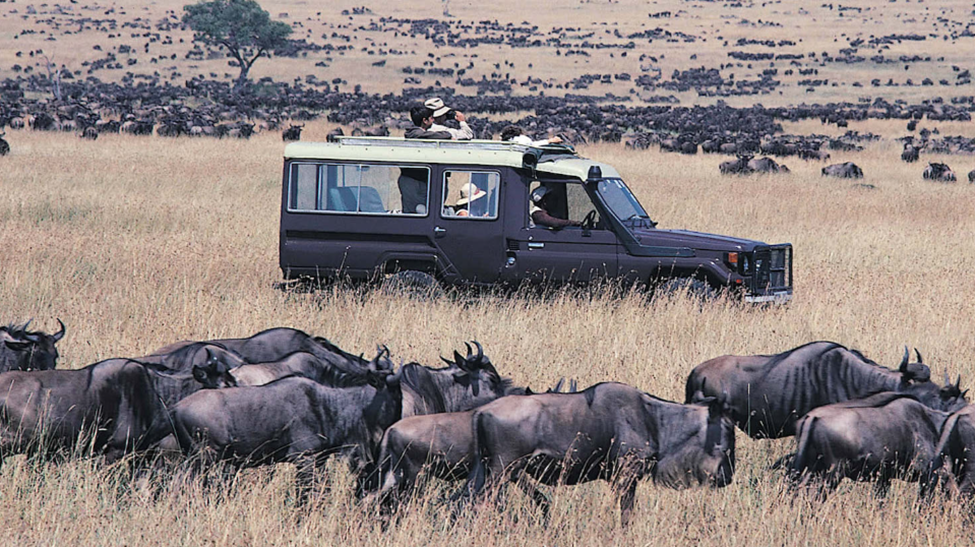
The Great Migration is one of nature’s most spectacular sights. Every year, millions of wildebeest, zebras, and gazelles travel across the Serengeti to Kenya’s Masai Mara.
Wondering if you can see the Great Migration in the Serengeti? Yes, you can! Serengeti National Park is at the center of this event.
What is the Great Migration?
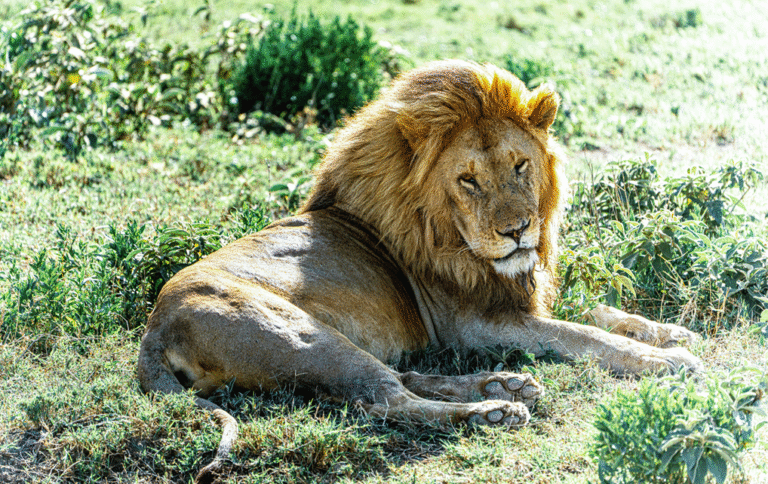
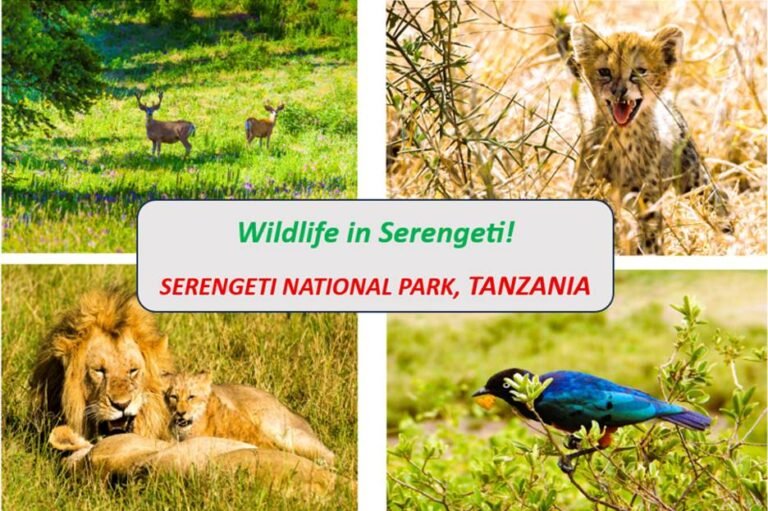
The Great Migration is an annual migration of around two million wildebeest, zebra, gazelles, and other animals. Every year, massive herds of wildebeest, zebras, and gazelles travel around Tanzania’s Serengeti to Kenya’s Masai Mara. This movement is motivated by a need for more grass and water sources. Along the way, predators such as lions, cheetahs, and crocodiles wait for an opportunity to hunt.
The Great Migration in the Serengeti is more than just a spectacular natural spectacle; it also represents nature’s desperate struggle for survival. It is one of nature’s most spectacular views, drawing visitors from all over the world.
When Can You Witness the Great Migration in the Serengeti?
The Great Migration takes place all year, although there are peak seasons when you are more likely to see particular dramatic occurrences. The timing of the migration depends on the animals’ natural movement cycle.
From January to March
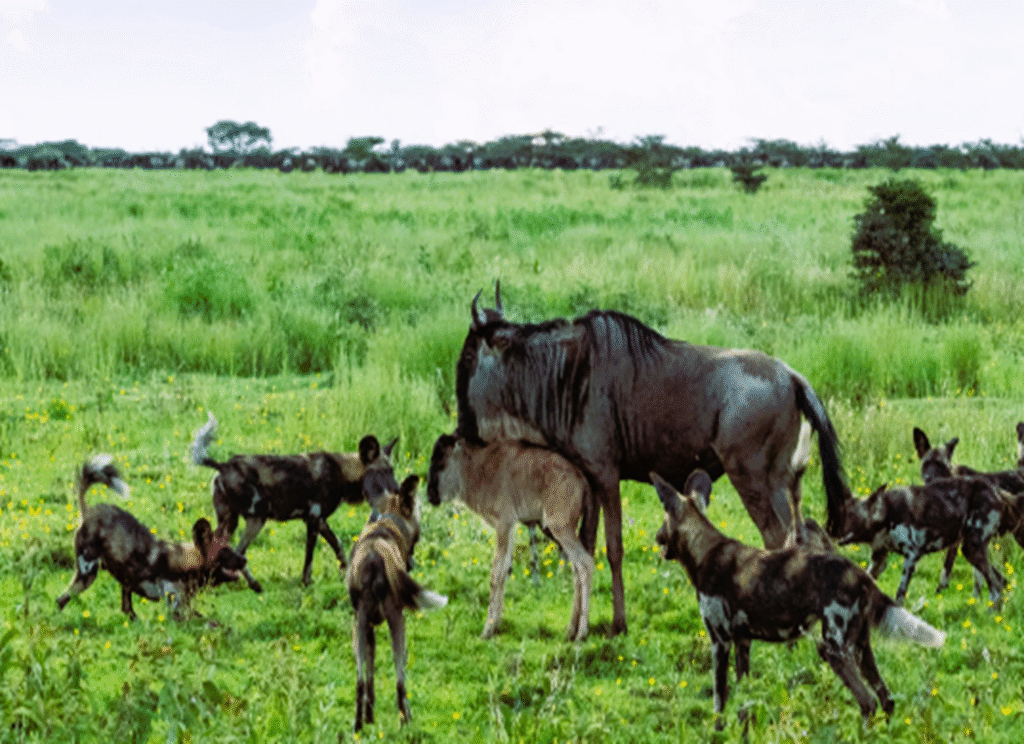
The animals are in the southern Serengeti. Wildebeests calve and give birth to hundreds of calves. It’s an exciting time since predators regularly target the vulnerable young.
During the wet season (April to May)
The herds migrate north, leaving the park lush and green. Despite the threat of rain, there is plenty of grass.
From June to July
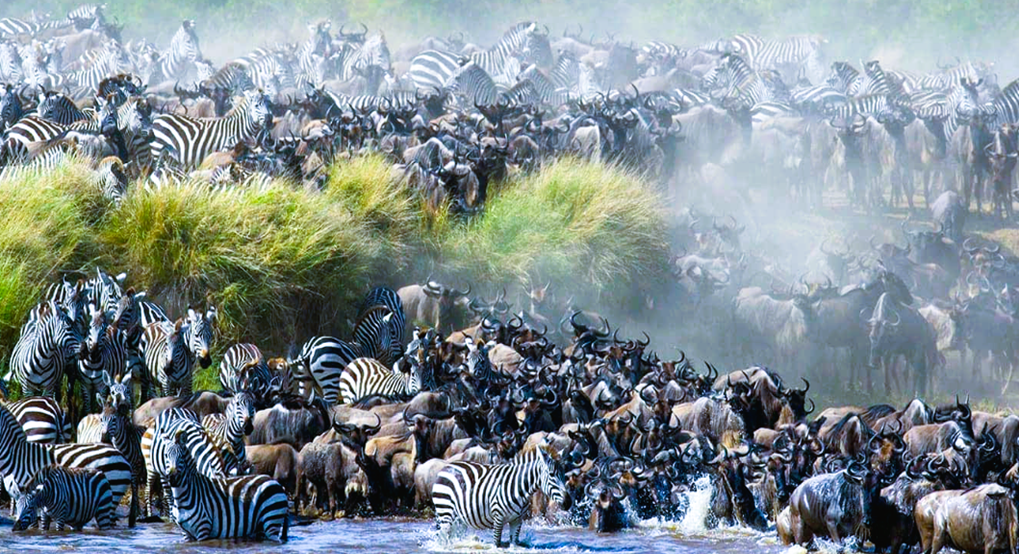
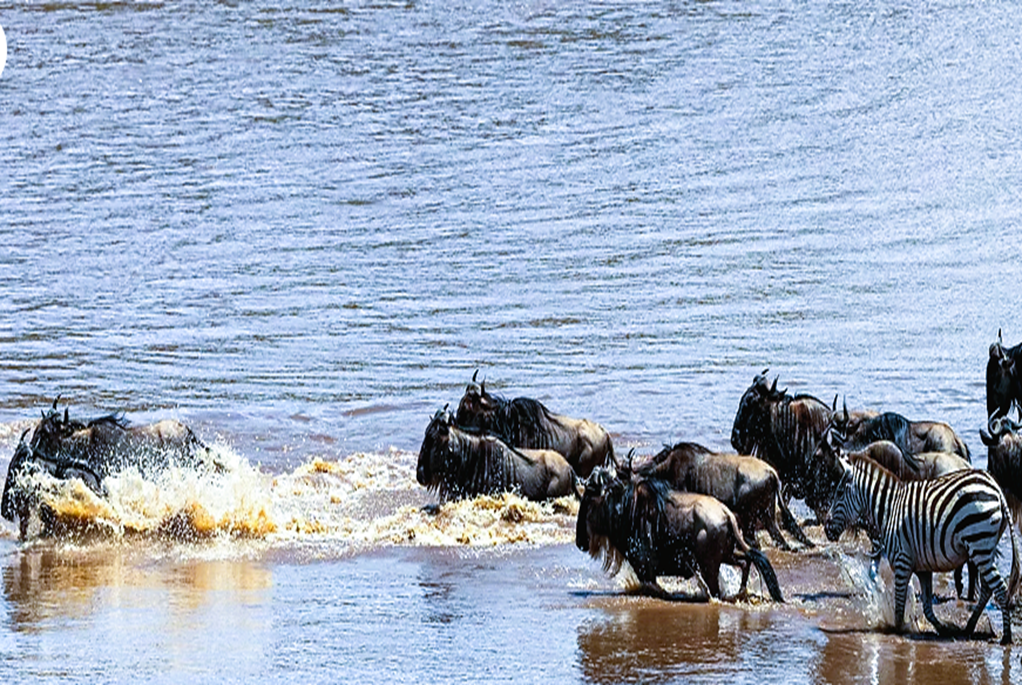
The migration moves towards the middle and western Serengeti. During this time, you may watch the herds cross rivers and face predators. Moreover, the most dramatic scenes occur as the herds cross the Grumeti River.
August to October
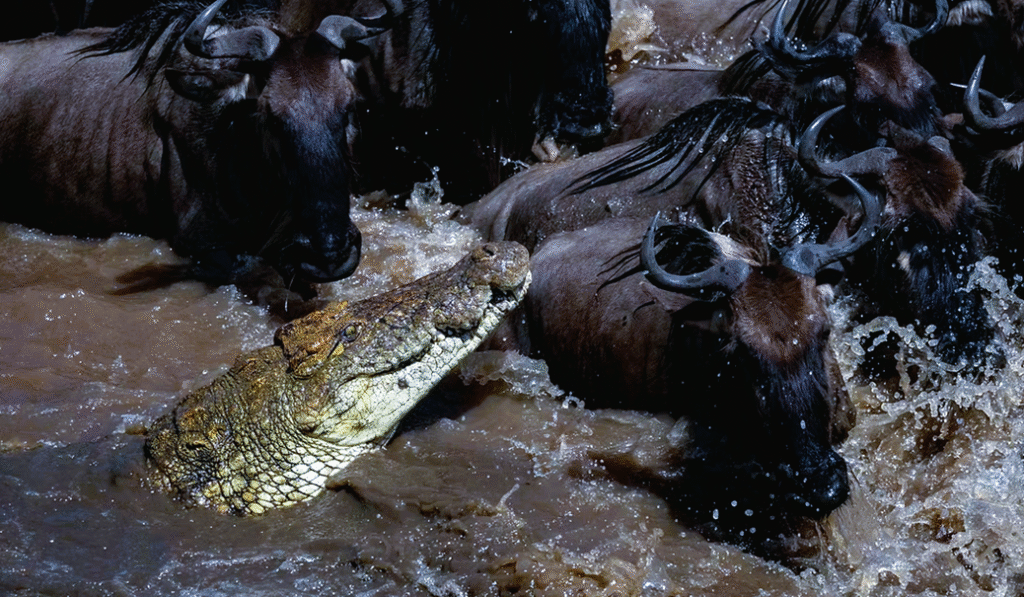
Is the peak of the Great Migration in the Serengeti. The herds are in the northern Serengeti, about to cross into the Masai Mara. The river crossings are breathtaking, with crocodiles lurking in wait, making this the most exciting time to see the migration.
From November to December
Animals migrate back south to the Serengeti. As the herds regroup, the cycle begins once more.
Best Locations to Witness the Great Migration in the Serengeti
Serengeti National Park has several excellent spots to view the Great Migration. Here are a few of the best places to visit during different seasons:
Southern Serengeti:
Visit the southern Serengeti from January-March. This is where the herds come to give birth. The calving season is particularly well-known in the Ndutu area.
Western Serengeti:
Between June and July, the herds head west and cross the Grumeti River. The western Serengeti offers fantastic opportunities to witness these dramatic river crossings.
Northern Serengeti:
The northern Serengeti is the place to be from July to October. This is where the herds cross the Mara River into the Masai Mara. The crossing is one of the most iconic moments of the Great Migration.
What to Expect During the Great Migration
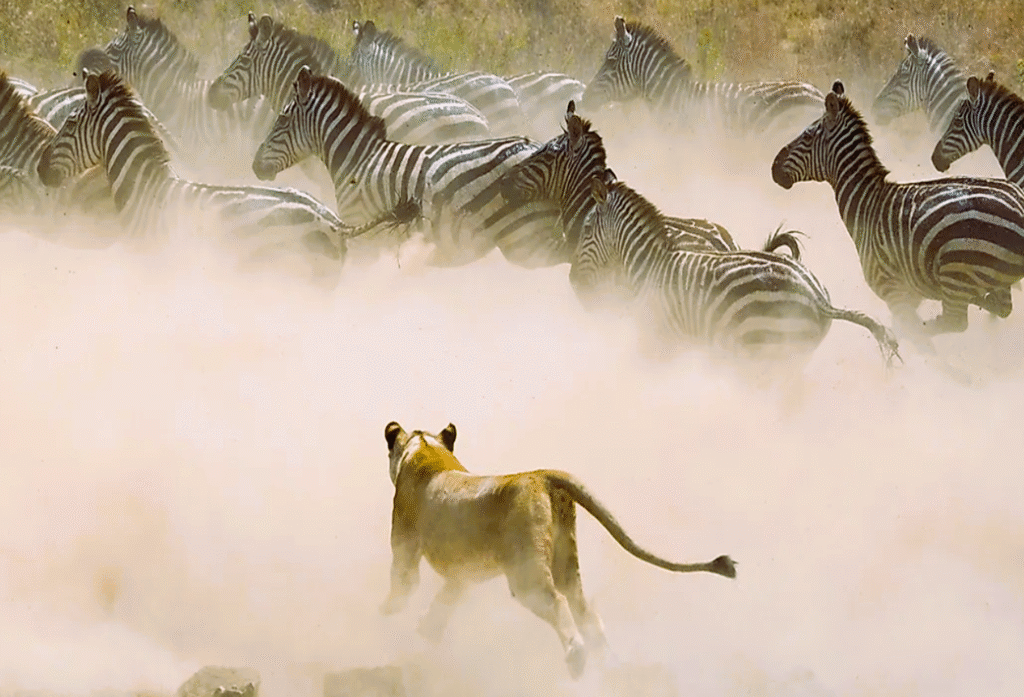
Witnessing the Great Migration is an incredible experience. Indeed, the sheer number of animals is staggering. As a result, millions of wildebeest, zebras, and gazelles move together in harmony, creating a breathtaking scene. Meanwhile, the sound of hooves hitting the earth fills the air. Additionally, dust rises as the animals migrate over the Serengeti. However, the migration is not without problems. For example, lions and cheetahs are among the predators that threaten the herds.
Crocodiles lurk in the rivers, ready to attack when the animals try to cross. It’s a horrible yet amazing survival story.
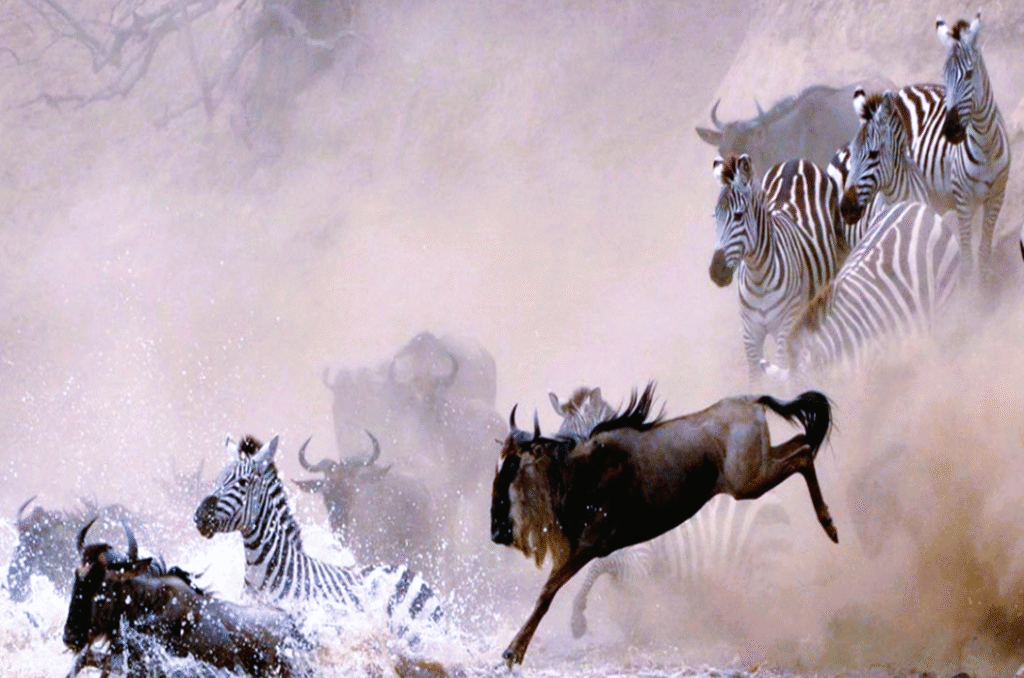
If you’re lucky, you may see a river crossing. These dramatic scenes are the highlights of the Great Migration. Watching wildebeest leap into the river to avoid crocodiles is an extraordinary sight.
How to Experience the Great Migration
The greatest way to witness the Great Migration in the Serengeti is on a guided safari. Guides know the ideal times and places to go so you don’t miss out on any of the activity. Moreover, safari vehicles are designed for best viewing and safety, allowing you to go up close without disturbing the wildlife. In addition, game drives during the migration usually take place in the early morning and late afternoon, when animals are most active. Alternatively, a hot air balloon ride above the Serengeti provides a one-of-a-kind view. Ultimately, watching the migration from the sky is truly an unforgettable experience.
Yes, you can see the Great Migration at Serengeti National Park! The optimum time to visit is determined on the stage of migration. Whether you visit for the calving season or the thrilling river crossings, you’ll have a memorable trip. The Great Migration in the Serengeti offers a stunning natural show, and the Serengeti is the best place to see it.