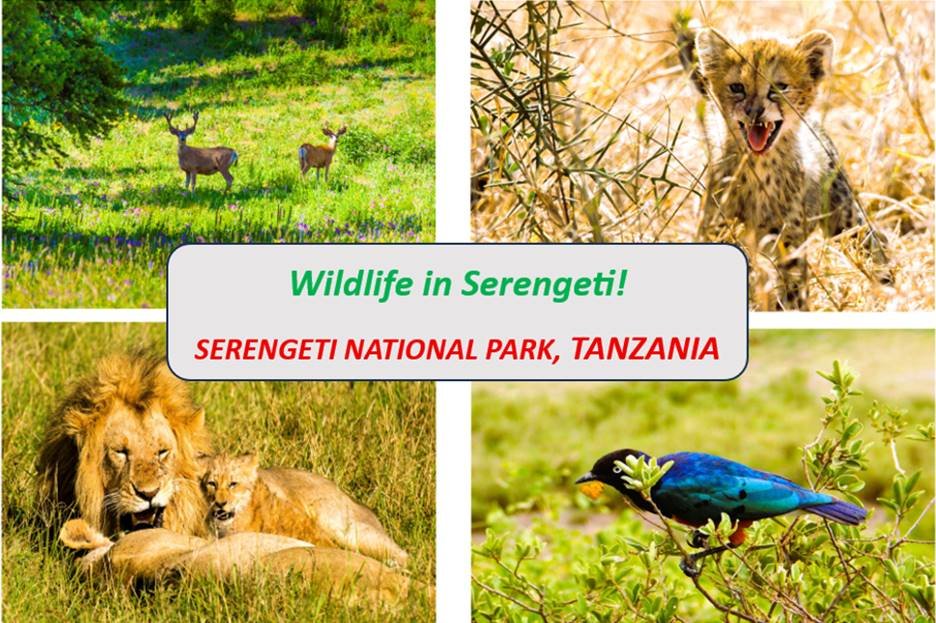
Serengeti National Park is a huge and well-known African wildlife reserve. Moreover, this region is noted for its biodiversity and offers a distinct animal experience. In addition, visitors frequently note the area’s unique animals and stunning surroundings. This essay explores what makes the wildlife in Serengeti National Park so unique.
The Big Five of the Serengeti
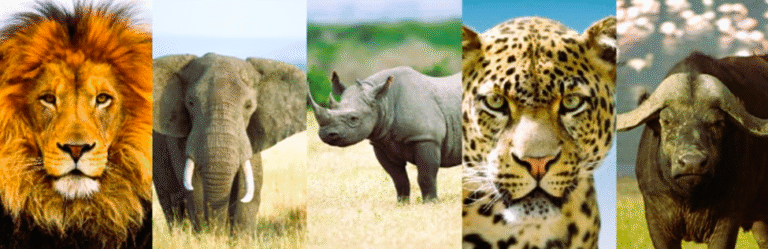
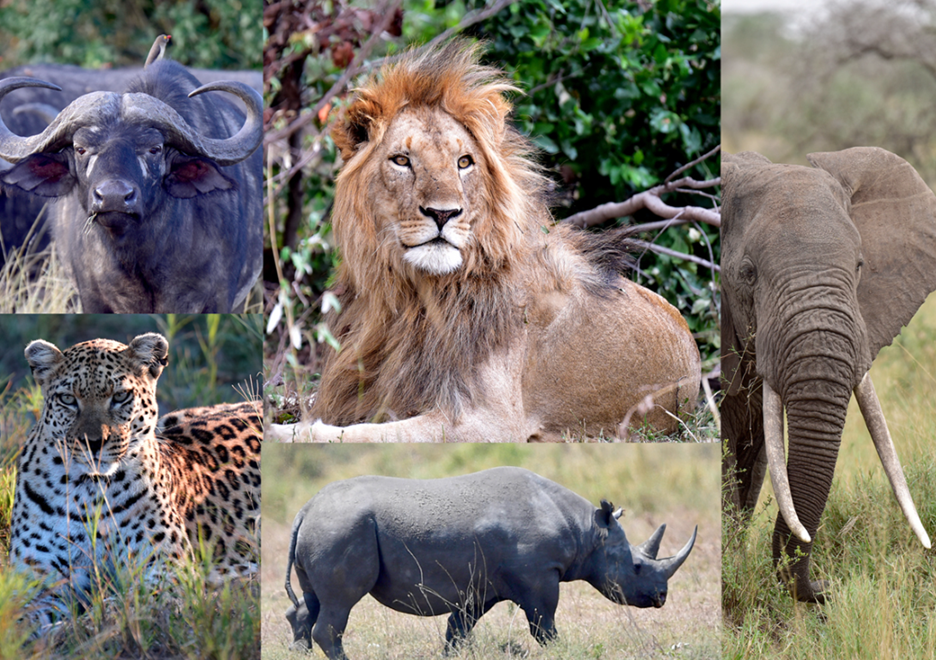
One of the main attractions of the wildlife in Serengeti National Park is the Big Five. Lions, elephants, leopards, rhinoceros, and buffaloes can all be found there. Many people fantasize about seeing these breathtaking monsters. The Serengeti is one of the greatest places to see them. You can often see lions lounging in groups beneath the sun. Elephants wander the plains in vast herds. Leopards like dense trees for camouflage and hunting. Rhinos are rare, yet they can still be found in protected places. Buffaloes, with their towering horns, frequently congregate near water holes.
Wildebeest and Zebra
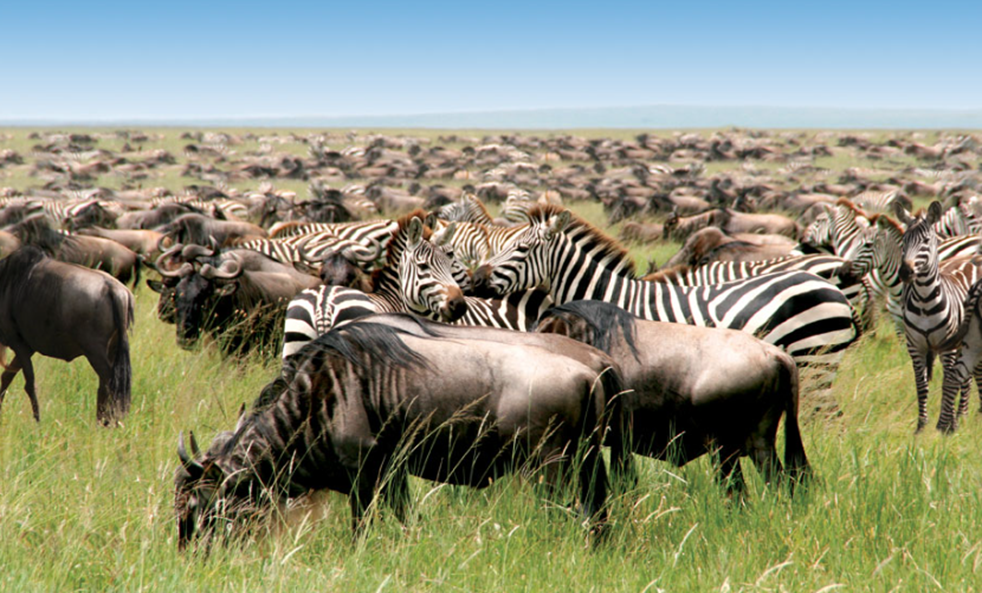
Wildebeest and zebras are among the most recognizable animals in the Serengeti. They are especially famous for their role in the Great Migration, when enormous herds move between the Serengeti ecosystem and Kenya’s Maasai Mara in search of fresh grass and water. Zebras often travel alongside wildebeest, while their different feeding habits allow them to make use of the same grasslands. Seeing large herds moving across the open plains is one of the memorable experiences of a Serengeti safari.
Gazelles and Antelopes
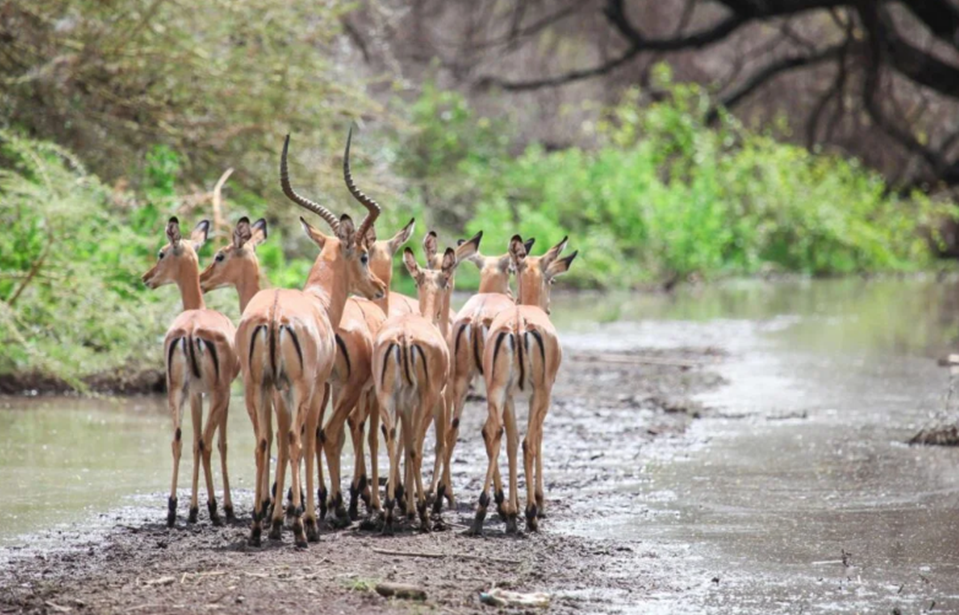
The Serengeti is also home to many species of antelope. Thomson’s gazelles, Grant’s gazelles, impalas, topi, eland, and other antelopes can be seen across different areas of the park. These herbivores are an important part of the food chain and provide prey for several predators. Gazelles are particularly common on open grasslands, where their speed helps them escape approaching predators.
Predators of the Serengeti
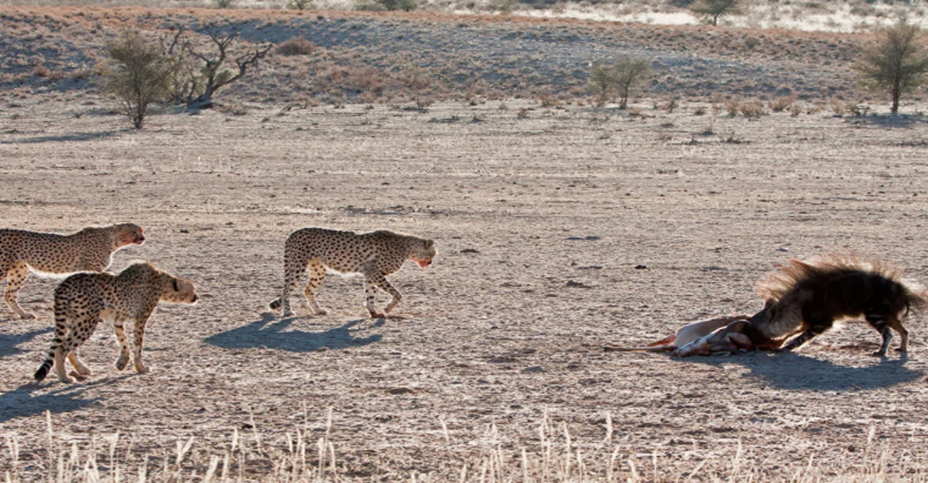
The wildlife in Serengeti National Park includes a wide array of predators. Lions, cheetahs, hyenas, and jackals all live here. Cheetahs are known for being the fastest creatures on land. These animals are frequently spotted hunting on the broad plains. Hyenas are both scavengers and skilled hunters. Despite their small size, jackals are intelligent and skilled hunters.
Predator and Prey Relationships
Predators and herbivores are closely connected in the Serengeti ecosystem. Lions may hunt wildebeest, zebras, buffaloes, and other large prey, while cheetahs generally pursue smaller and medium-sized animals. Leopards often hunt smaller mammals and may carry their prey into trees. Hyenas can hunt cooperatively and also feed on animals killed by other predators. These relationships help maintain the natural balance of the Serengeti ecosystem.
Birds in the Serengeti
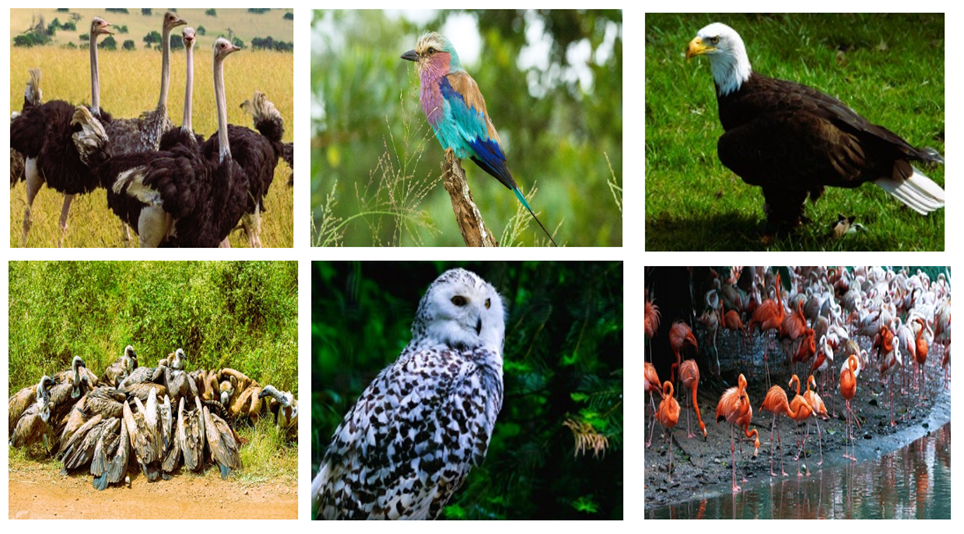
The Serengeti National Park is a birdwatcher’s heaven. This area is home to more than 500 different types of birds. The world’s largest bird, the ostrich, often appears as a typical sight. Bright lilac-breasted rollers add color to the sky. Birds of prey, such as eagles and vultures, observe the vast plains from above. Flamingos congregate in big flocks on surrounding lakes. The birdlife enhances the Serengeti’s remarkable diversity.
Iconic Big Cats
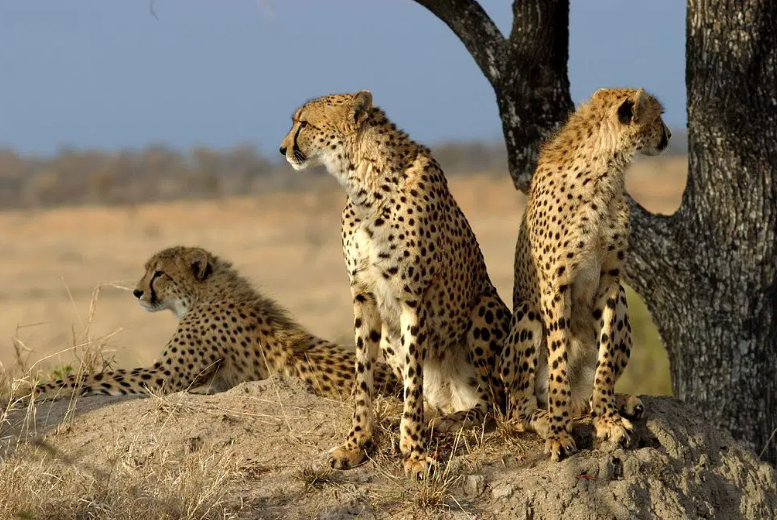
The Serengeti is well known for its big cats like lions and leopards. Lions dominate the landscape. They are frequently seen in groups basking under acacia trees. Cheetahs, with their speed and elegance, roam the plains. Leopards prefer to hide in trees and require excellent vision to spot.
Hippos and Aquatic Wildlife
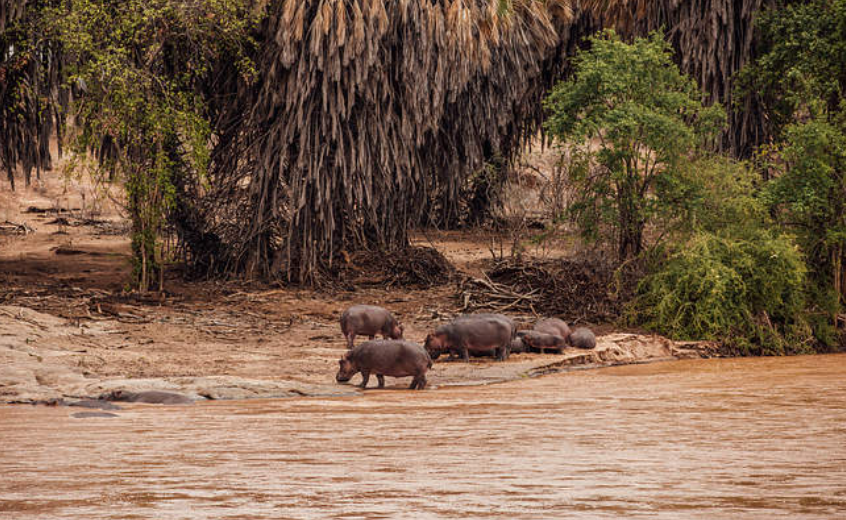
Hippos can be found in rivers, pools, and other permanent water sources in the Serengeti. They spend much of their time in water during the heat of the day and come onto land to feed, particularly at night. Water sources are also important gathering places for many other animals, especially during drier periods when water becomes limited.
The Great Migration
The Great Migration showcases one of the most spectacular events of the wildlife in Serengeti National Park. Visitors never forget it. June to October is the best time to watch it. Over two million wildebeest, zebra, and gazelles roam the plains. This voyage draws predators, which makes it exciting for watchers.
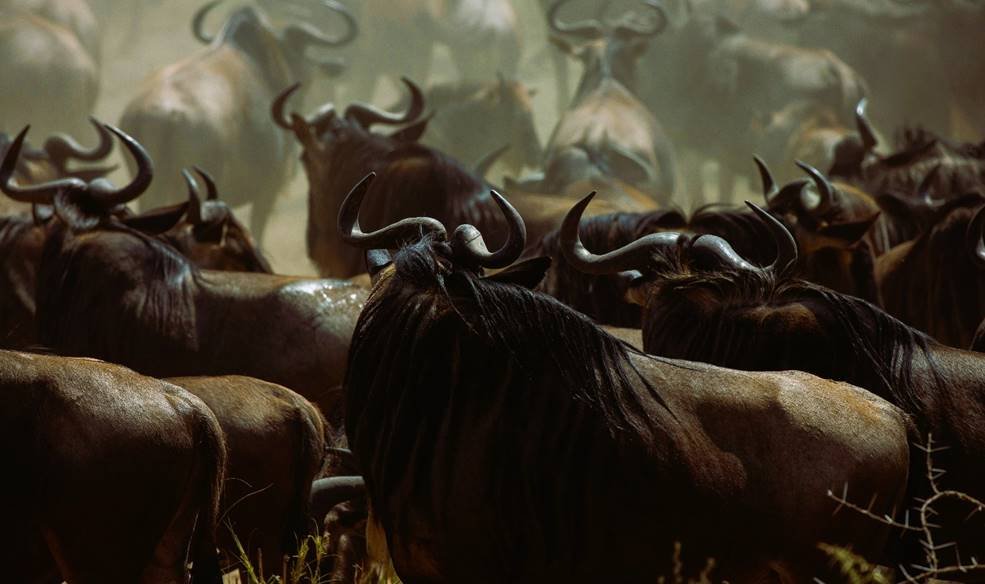
Wildlife During the Great Migration
The Great Migration is a year-round movement rather than a single event limited to a few months. The herds move through different parts of the Serengeti ecosystem according to rainfall, water availability, and fresh grazing. The calving season in the southern Serengeti is particularly important because thousands of young wildebeest are born, attracting predators. Later in the year, the herds move toward northern areas and may cross rivers during their journey.
Elephants and Rhinos
Majestic elephants travel across the park in family groups. Passers-by are fascinated by their unusual stature and benign disposition. Black rhinos are rare, although they can still be seen with careful tracking.
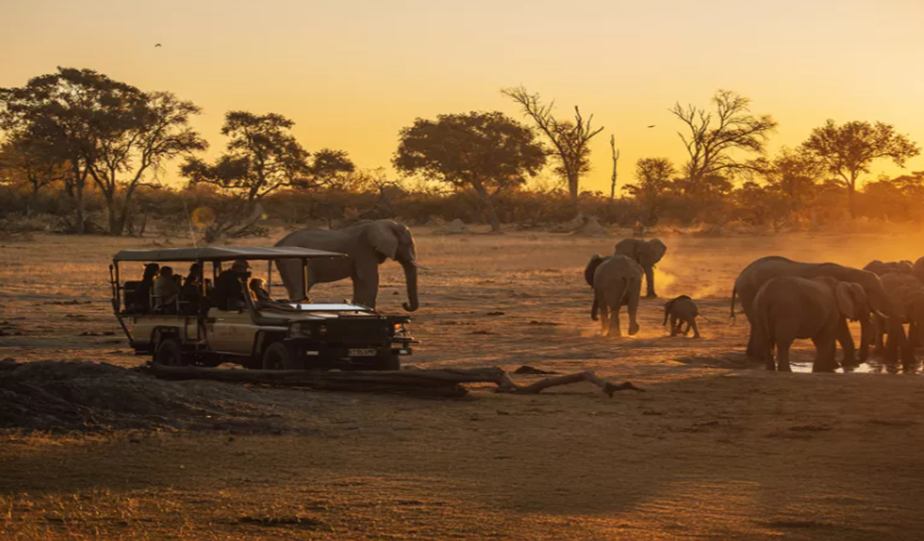
Giraffes and Buffalo
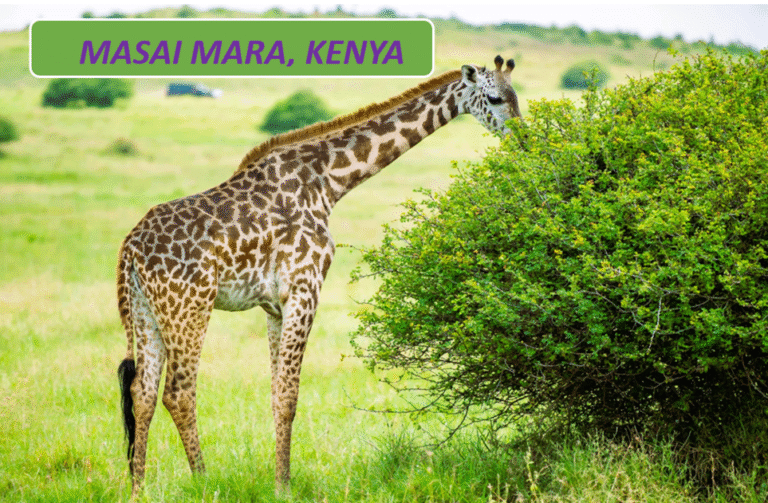
Giraffes, with their long necks, line the Serengeti horizon. You’ll often see giraffes feeding on acacia trees and moving gently across the plains. African buffalo, especially in large groups, are powerful and intimidating.
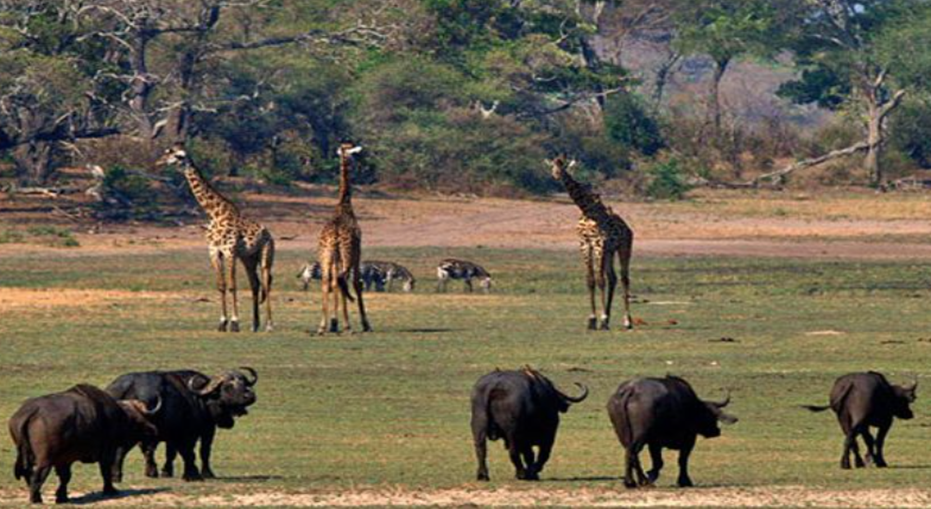
Primates of the Serengeti
Primates are another interesting part of Serengeti wildlife. Olive baboons and vervet monkeys can be found in suitable habitats and are often active during the day. They live in social groups and feed on a variety of foods, including fruits, leaves, seeds, and other available resources. Watching their interactions can add another dimension to a safari experience.
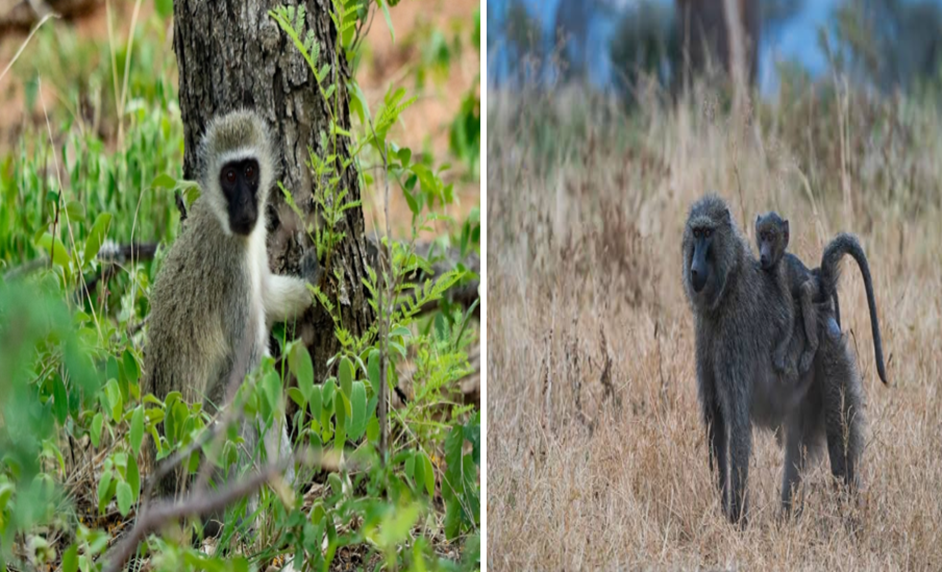
Nocturnal Wildlife
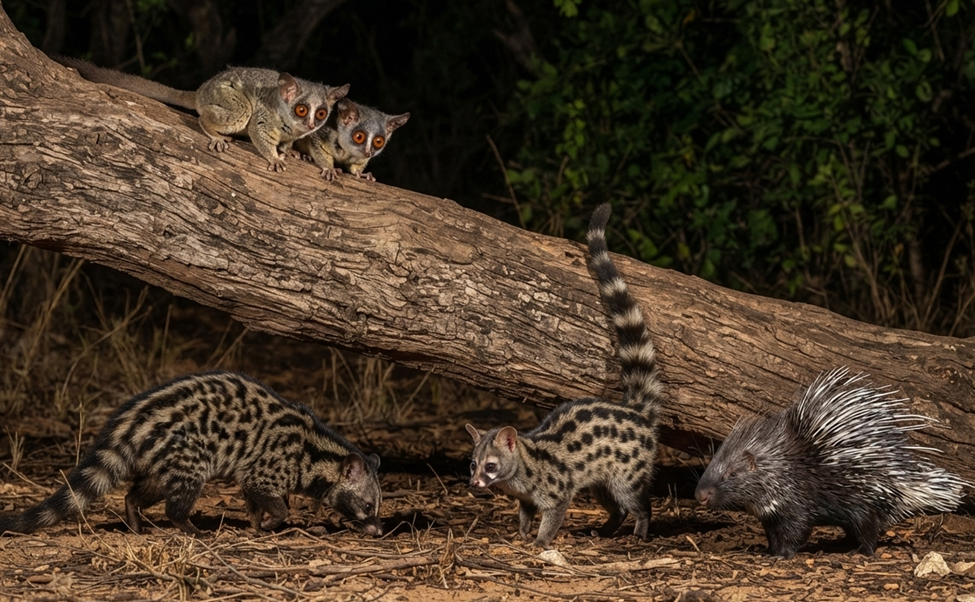
Serengeti wildlife does not disappear when the sun goes down. Some animals are primarily active at night or become more active after sunset. Visitors may encounter species such as genets, civets, bushbabies, porcupines, and other small mammals around suitable habitats. Hyenas and some other predators also become particularly active during nighttime hours. Nocturnal wildlife can provide a different perspective on the Serengeti ecosystem.
Reptiles and Amphibians
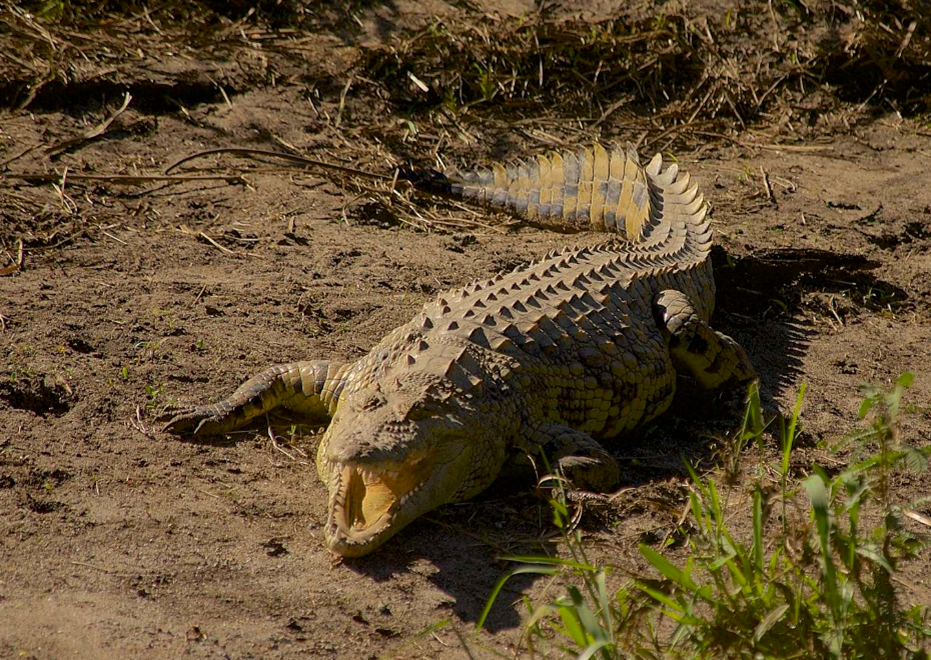
The park is also home to reptiles and amphibians This rich environment is also home to reptiles like snakes, lizards, and frogs. Nile crocodiles are the most well-known reptiles here. The wildlife in Serengeti National Park plays a crucial role in the ecosystem’s balance.
Fishing and River Activities
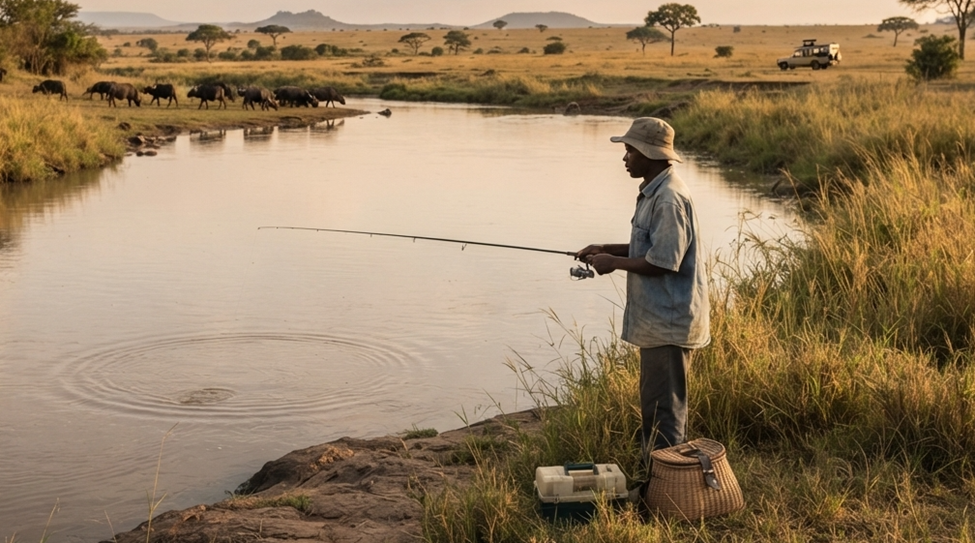
Serengeti National Park has fishing sites in its rivers and lakes where you can catch fish like as tilapia. Fishing is less popular than other safari activities, but it may be entertaining and relaxing, especially if you camp near a river. Please contact your hotel or tour guide ahead of time to see if it is available.
Unique Smaller Animals
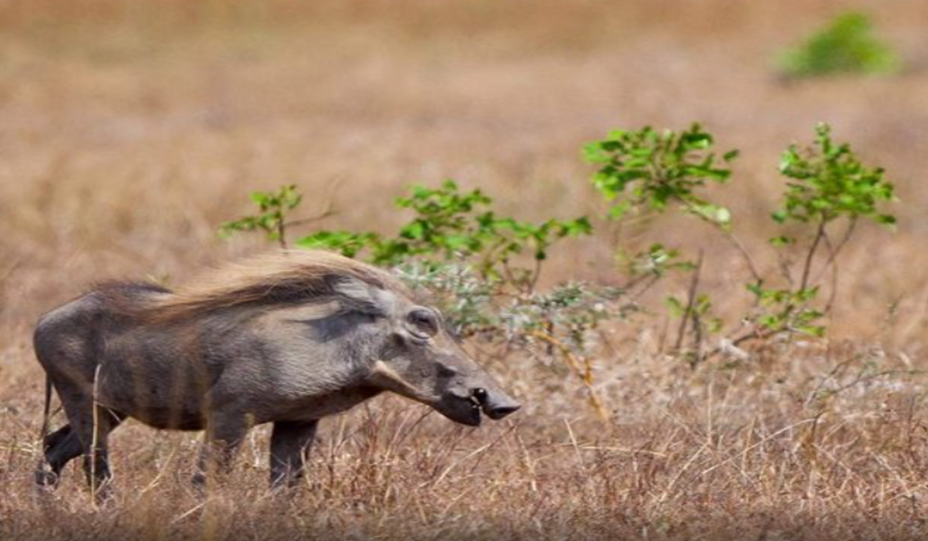
The wildlife in Serengeti National Park isn’t simply about big mammals. Smaller animals also survive here. Warthogs, hyenas, and jackals contribute to the ecosystem’s complexity. Meerkats and mongooses entertain visitors with their playful behavior.
Wildlife by Habitat
Different habitats in the Serengeti support different types of wildlife. Open grasslands are important for wildebeest, zebras, gazelles, cheetahs, and other grazing animals. Woodlands and areas with trees provide shelter and hunting opportunities for leopards, elephants, giraffes, and numerous bird species. Rivers and wetlands attract hippos, crocodiles, water-dependent animals, and many birds. Rocky kopjes can also provide resting and lookout areas for lions and other wildlife.
Wildlife by Region
Wildlife sightings can vary depending on which part of Serengeti National Park you visit. Central Serengeti, particularly the Seronera area, is well known for year-round wildlife and is an important area for big-cat sightings. The Western Corridor is associated with seasonal movements of migrating herds and river habitats. Northern Serengeti is particularly important during parts of the Great Migration, while the southern plains are closely associated with the calving season. Choosing where to stay can therefore influence the types of wildlife and seasonal events you are most likely to experience.
Rare and Endangered Wildlife
Some of the Serengeti’s wildlife is much more difficult to encounter than the commonly seen species. Black rhinos are among the rare animals that visitors may see with careful observation and experienced guides. Other uncommon species may require patience, favorable conditions, and knowledge of their preferred habitats. Their presence highlights the importance of protecting the Serengeti’s ecosystems and maintaining safe habitats for wildlife.
Wildlife Viewing by Season
Different seasons offer different wildlife experiences in the Serengeti. The period from December to March is associated with the calving season in the southern Serengeti, when young wildebeest attract predators. From June onward, migrating herds can be found moving through different parts of the ecosystem, depending on rainfall and grazing conditions. The dry season can make wildlife easier to locate around remaining water sources, while the rainy periods can bring fresh vegetation and excellent opportunities to observe a variety of animals.
Wildlife Photography in the Serengeti
The Serengeti provides excellent opportunities for wildlife photography because its open landscapes allow visitors to observe animals from safari vehicles. Early mornings and late afternoons often provide good natural light and active wildlife. A telephoto lens can help photograph animals without getting too close, while patience is important when waiting for natural behavior. Visitors should always follow their guide’s instructions and avoid disturbing animals for a photograph.
Wildlife Safari Safety
Wild animals should always be observed from a safe distance and with respect. Visitors should follow the instructions of their safari guide, remain inside the vehicle when required, avoid feeding or approaching animals, and never attempt to attract wildlife for photographs. Keeping noise low and avoiding sudden movements can also help prevent unnecessary disturbance. Responsible wildlife viewing protects both visitors and animals.
Best Time to Visit
The best wildlife sightings depend on timing. If you want to observe baby animals birth, come between December and March. The ideal time to see the Great Migration is between June and October.
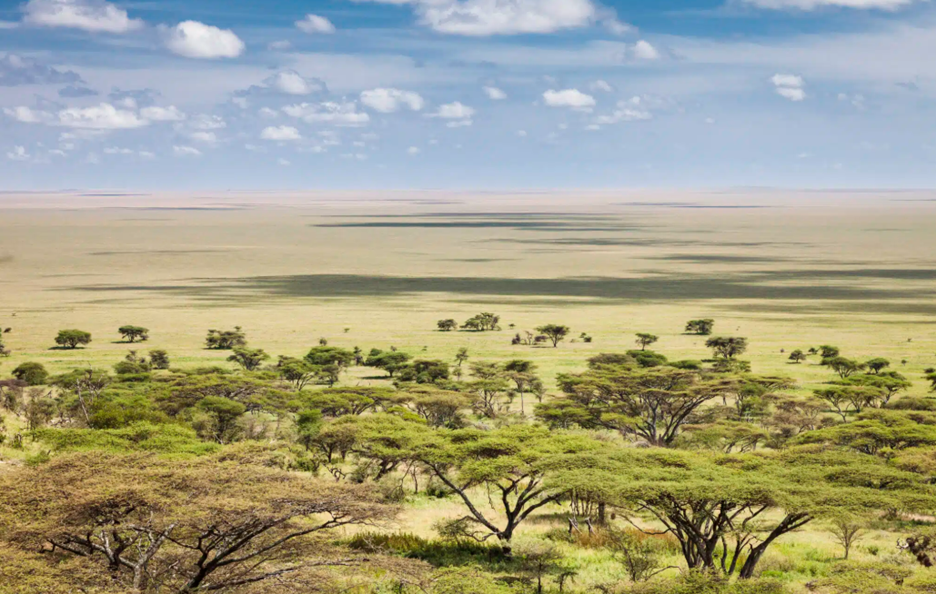
The wildlife in Serengeti National Park makes it a true haven for nature lovers. From lions to giraffes, cheetahs to wildebeests, it offers a rich variety of animals. If you’re wondering what wildlife you can expect to see in the Serengeti-National Park, the answer is plenty. Every turn in the park holds a new surprise. Whether it’s witnessing the Great Migration or observing a lion hunt, the Serengeti-National Park promises an unforgettable safari experience. The Serengeti-National Park is a unique ecosystem with a wide range of creatures. Whether you’re on a game drive or a walking safari, there’s always something fascinating to see.
Planning a Travel!
A reliable travel backpack should do more than simply hold your belongings. For frequent travelers, useful organization, comfortable access, laptop protection, flexible capacity, and durable materials can make a significant difference during a trip. The OGIO RENEGADE DNA BACKPACK is designed for both everyday se and travel.
Affiliate Disclosure: As an Amazon Associate, we earn from qualifying purchases

OGIO RENEGADE DNA BACKPACK (Black)
- Reaction Suspension System for 16″ Laptop
- Abrasion Resistant Bottom Panel
- Crush Resistant Pocket
- Luggage Pass-Though
- Recommended for Travel