Is Africa safe for tourists in 2026? Discover safer destinations, country comparisons, common travel risks, safari safety, health precautions, and essential tips.
Africa offers unforgettable travel experiences, from exploring Egypt’s ancient pyramids and Morocco’s colorful markets to enjoying wildlife safaris in Kenya and Tanzania. However, many travelers ask: Is Africa safe for tourists? Safety varies by country and region, so understanding local conditions and taking proper precautions is essential. This guide covers safer destinations, potential risks, health precautions, transportation, and practical safety tips to help you plan a more secure and enjoyable African holiday.
Understanding Safety Across Africa
Africa is a continent of 54 countries, each with different political conditions, infrastructure, healthcare facilities, transportation systems, and tourism environments. For example, Mauritius and Seychelles are popular island destinations, while Namibia and Botswana attract visitors interested in independent road trips and wildlife experiences. Kenya and Tanzania are internationally recognized for their safari tourism, whereas Morocco and Egypt attract travelers interested in historical attractions and cultural experiences. These destinations have different safety considerations. Some areas experience relatively low levels of tourist-related crime, while others may face challenges involving political instability, organized crime, terrorism, or limited medical facilities.
When researching Is Africa safe for tourists, it is important to understand that safety cannot be measured across the entire continent with one general statement.
Before booking your trip, consider the following factors:
- Crime conditions: Research the level of petty theft, robbery, and other security concerns in your chosen destination.
- Political stability: Check for demonstrations, political unrest, and regional security developments.
- Healthcare facilities: Understand the availability of hospitals, clinics, pharmacies, and emergency medical services.
- Transportation: Research road conditions, public transportation, domestic airlines, and airport transfers.
- Tourism infrastructure: Choose established accommodation providers, recognized tour operators, and reliable transportation services.
- Local regulations: Understand local laws, cultural expectations, and entry requirements.
Good preparation and reliable information can help travelers make better decisions and avoid many common problems.
Is Africa safe for tourists in 2026?
Many African countries, including Rwanda, Botswana, Namibia, Mauritius, Morocco, Kenya, and Tanzania, offer rewarding travel experiences. However, when considering Is Africa Safe for Tourists, it is important to understand that safety depends on your destination, travel arrangements, and current local conditions. Tourists should take precautions against risks such as theft, road accidents, and health problems. Use reputable accommodation, licensed transportation, and recognized tour operators. Whether exploring Morocco’s busy markets, visiting South Africa, or self-driving in Namibia, research your route and follow local advice. Always check current travel advisories before departure.
Safest African Countries for Tourists
Several African countries are popular with international visitors because they offer established tourism facilities, organized activities, and attractive travel experiences. When considering Is Africa Safe for Tourists, it is important to remember that there is no single official ranking that identifies the safest African countries for every type of traveler. Safety conditions vary depending on the destination, travel arrangements, and local circumstances.
The following destinations are commonly considered by tourists planning African holidays.
1. Rwanda
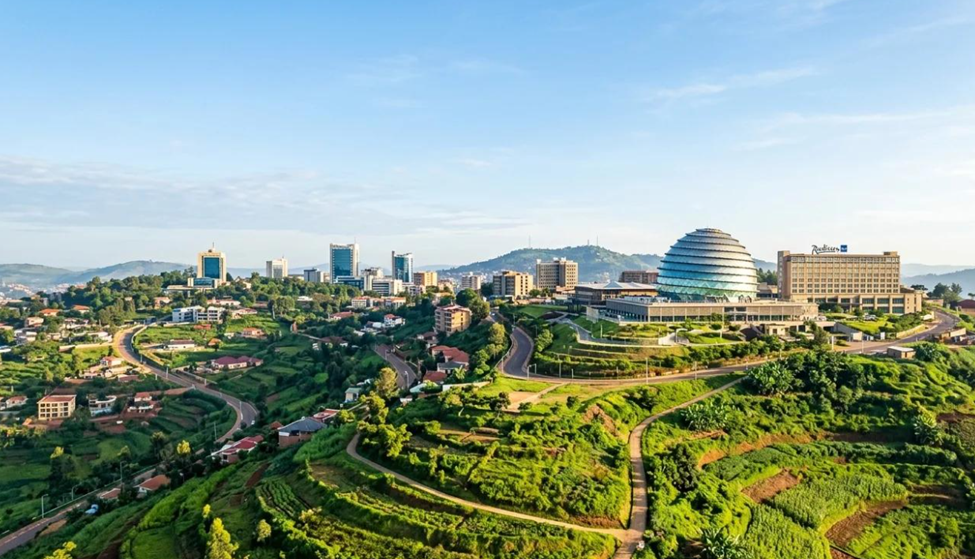
Rwanda is known for its organized tourism industry, beautiful landscapes, and mountain gorilla trekking experiences. Kigali is a popular starting point for international visitors, while Volcanoes National Park attracts travelers interested in wildlife and nature. Major tourist areas generally offer organized visitor services. Nevertheless, travelers should take normal precautions in crowded locations, use reliable transportation, and follow park regulations during outdoor activities.
2. Botswana
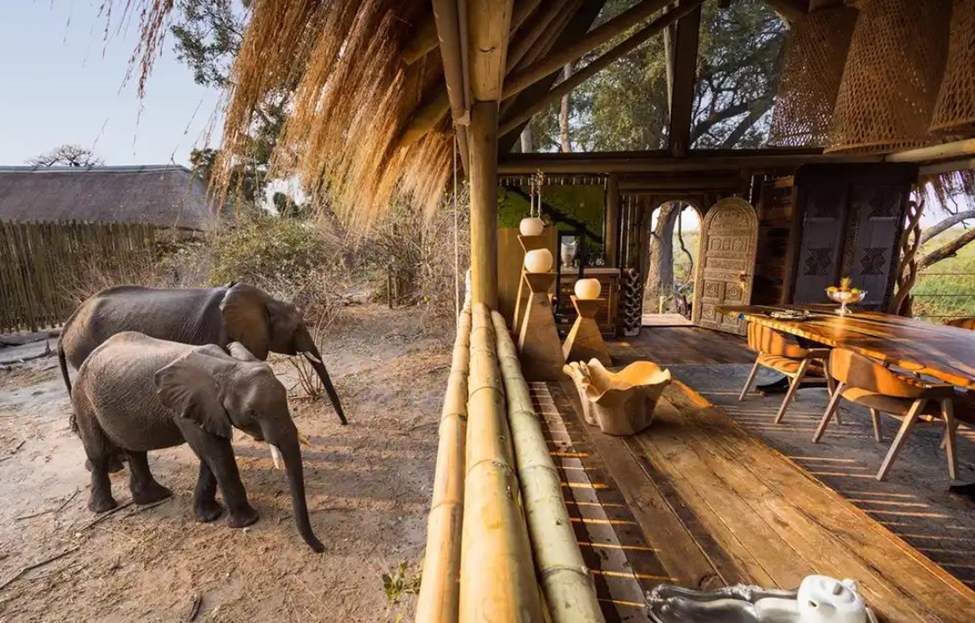
Botswana is an established safari destination, particularly popular for wildlife experiences in the Okavango Delta and Chobe National Park. The country offers a well-developed safari tourism industry, including organized game drives, guided activities, and remote luxury lodges. However, visitors should follow wildlife safety instructions, take precautions against theft in towns, and prepare carefully when traveling through isolated areas.
3. Namibia
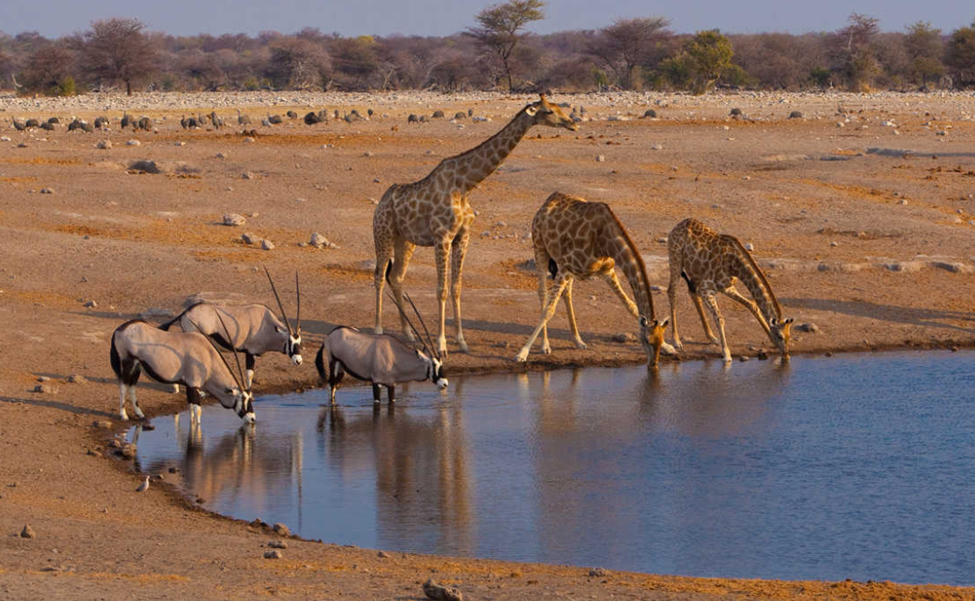
Namibia attracts travelers with its dramatic desert landscapes, national parks, and popular self-drive routes. Destinations such as Sossusvlei, Etosha National Park, and Swakopmund are well known among international visitors. Although Namibia is popular for independent road trips, travelers should pay particular attention to road safety. Long distances, gravel roads, limited services, and wildlife crossings require careful planning.
4. Mauritius
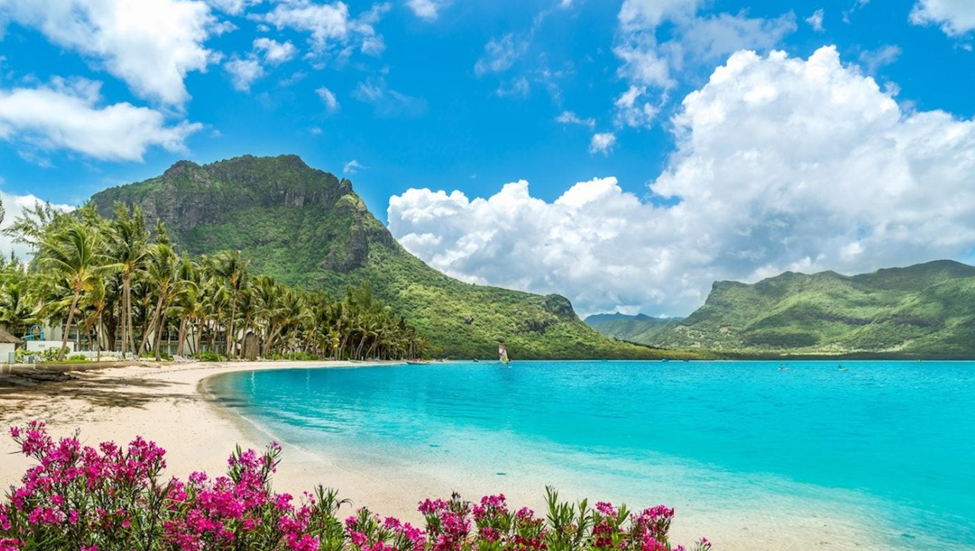
Mauritius is a popular island destination known for its beaches, resorts, lagoons, and outdoor activities. It offers established tourism facilities and a variety of accommodation options for couples and families. Visitors should still protect their belongings in crowded locations, follow swimming and boating safety advice, and remain aware of weather conditions.
5. Seychelles
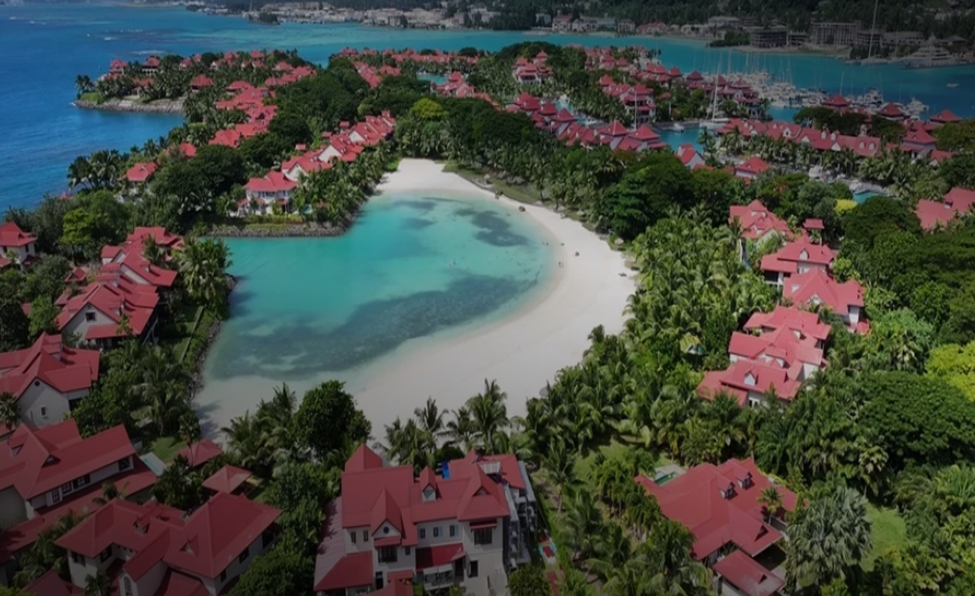
Seychelles attracts tourists with its beautiful beaches, marine life, tropical landscapes, and island experiences. Many visitors enjoy relaxing holidays, snorkeling, hiking, and boat excursions. However, ocean conditions can change quickly, so travelers should follow local swimming warnings and use reputable operators for marine activities.
6. Morocco
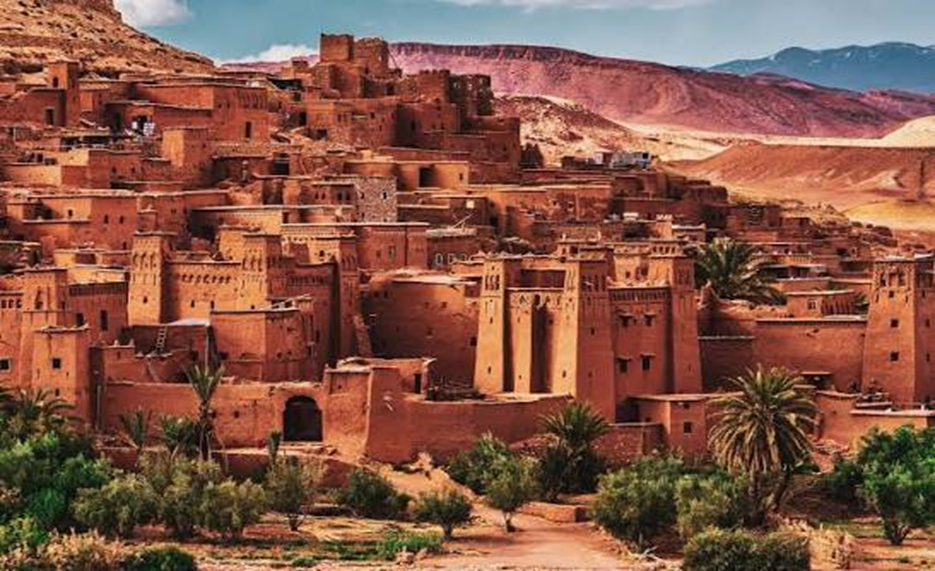
Morocco is a popular destination for international tourists interested in traditional markets, historical architecture, desert experiences, and cultural attractions. Cities such as Marrakech, Fes, and Casablanca offer many visitor experiences. However, travelers should watch for pickpocketing, unofficial guides, taxi overcharging, and unwanted attention in crowded tourist areas.
7. Tanzania
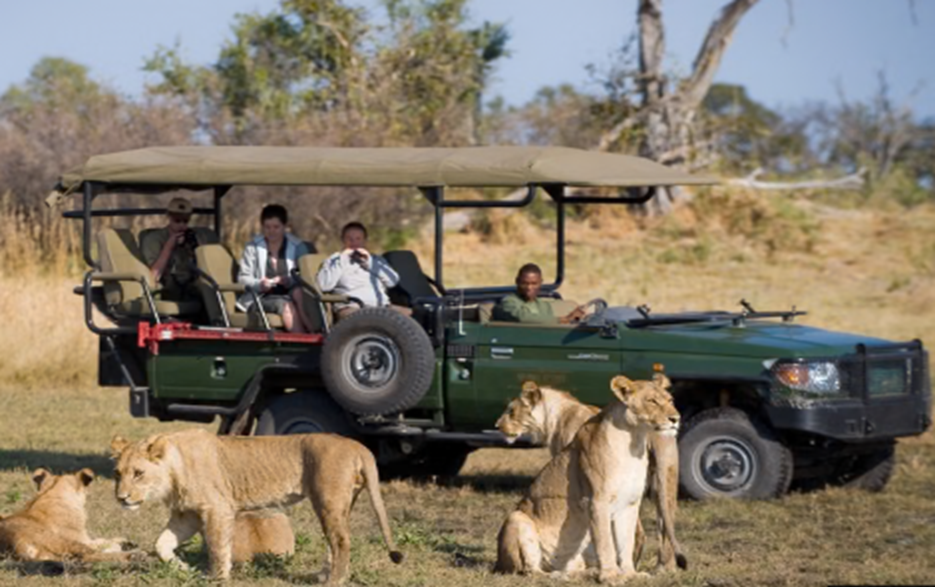
Tanzania is internationally recognized for its wildlife tourism, particularly the Serengeti National Park, Ngorongoro Conservation Area, Mount Kilimanjaro, and Zanzibar. Established safari operators and accommodation providers make organized tourism accessible to many international visitors. Nevertheless, travelers should follow wildlife safety rules, use reputable transportation, and check regional travel advisories before departure.
Countries and Regions Requiring Extra Caution
When considering Is Africa Safe for Tourists, it is important to recognize that some African countries and regions experience serious security challenges that can make travel difficult or dangerous. These may include armed conflict, terrorism, kidnapping, political instability, and limited emergency services.
Destinations requiring particularly careful research include:
- Somalia: Serious security concerns, including terrorism, kidnapping, and armed violence, affect many areas.
- South Sudan: Conflict, insecurity, and limited infrastructure can create significant risks for visitors.
- Sudan: Armed conflict and serious security concerns make travel particularly dangerous in affected areas.
- Democratic Republic of the Congo: Security conditions vary considerably, with serious concerns in parts of eastern DRC.
- Mali, Burkina Faso, and Niger: Several areas of the Sahel region experience terrorism, armed conflict, and kidnapping risks.
These examples should not be treated as a permanent or exhaustive list. Security conditions can change rapidly, and individual regions within a country may have different risk levels. Before considering travel to any destination with security concerns, carefully review your government’s latest travel advisory. In some circumstances, the safest decision may be to postpone or cancel a trip.
Country-by-Country Safety Comparison
Choosing an African destination becomes easier when considering Is Africa Safe for Tourists and understanding the main safety conditions in popular tourist countries. The following table compares destinations frequently visited by international travelers and highlights their general safety considerations.
| Country | Tourist safety considerations |
| Rwanda | Major tourist destinations generally have organized visitor services. Take normal precautions in crowded locations. |
| Botswana | Established safari tourism and relatively stable conditions. Follow wildlife safety rules and take precautions in towns. |
| Namibia | Popular for self-drive holidays. Be careful on gravel roads, avoid unnecessary night driving, and plan long journeys. |
| Mauritius | Popular island destination with established tourist facilities. Protect belongings and follow beach safety advice. |
| Seychelles | Well-known for beach and nature tourism. Check ocean conditions and use reputable boat operators. |
| Morocco | Watch for pickpocketing, unofficial guides, taxi overcharging, and unwanted attention. |
| South Africa | Research neighborhood safety, use reputable transportation, and avoid displaying valuables. |
| Kenya | Use recognized safari operators and check regional travel advisories before visiting different areas. |
| Tanzania | Take normal precautions, follow safari safety instructions, and check local and regional advisories. |
| Ghana | Take precautions against theft and scams, particularly in busy urban locations. |
| Senegal | Follow local advice, take care in crowded areas, and research conditions before visiting remote regions. |
| Zambia | Use established safari operators and follow local guidance when visiting remote wildlife destinations. |
Important: This is a general travel comparison, not an official safety ranking. Conditions can vary between cities, neighborhoods, national parks, and rural areas. Always research the exact places you intend to visit.
Crime in Africa and How Tourists Can Stay Safe
Crime is one of the main safety concerns when considering Is Africa Safe for Tourists. However, crime levels vary significantly between African countries and locations. Travelers may encounter petty theft, bag snatching, phone theft, scams, and, in some areas, robbery. Busy cities and crowded tourist attractions can increase the risk of theft. Visitors should stay alert, protect their valuables, and avoid displaying expensive electronics, jewelry, or large amounts of cash.
Common Crime Risks
Pickpocketing
Pickpocketing can occur in crowded markets, public transport stations, shopping areas, and popular tourist attractions.
Phone and Bag Snatching
Thieves may target visitors carrying phones, handbags, cameras, and other valuables, particularly in busy urban locations.
ATM and Banking Fraud
Some criminals use card-skimming devices, distraction techniques, or fake assistance to obtain banking information.
Robbery
Certain neighborhoods and locations may experience robbery and other serious security incidents. Travelers should research local conditions and avoid unnecessary exposure to risky areas.
Practical Crime Prevention Tips
- Avoid displaying expensive phones, cameras, watches, and jewelry unnecessarily.
- Keep bags securely closed and carry them in a way that reduces the risk of snatching.
- Avoid walking alone through unfamiliar areas late at night.
- Use licensed taxis or reputable ride-hailing services where available.
- Stay in accommodation with suitable security arrangements.
- Avoid carrying large amounts of cash.
- Use ATMs located inside banks or secure shopping centers.
- Keep copies of important travel documents separately from the originals.
- Ask hotel staff or local guides about areas that visitors should avoid.
Tourist areas in many African destinations have established security arrangements. However, visitors should not assume that every tourist location is protected from crime. Remain alert and follow local safety advice.
Common Tourist Scams in Africa
Tourist scams can happen in many popular travel destinations around the world, including African cities and tourist attractions. Some individuals target visitors who are unfamiliar with local prices, transportation systems, or booking procedures. Recognizing common scams can help protect your money and prevent unnecessary travel problems.
Fake Tour Guides
Some individuals approach tourists near popular attractions and offer unofficial guiding services. They may initially promise free assistance and later demand high payments.
How to avoid it: Book guides through recognized tourism companies, official attraction services, or reputable accommodation providers. Confirm the price before accepting the service.
Overpriced Taxi Services
Some drivers may charge visitors significantly more than the usual fare, especially around airports, hotels, and popular attractions.
How to avoid it: Use licensed taxis or reputable ride-hailing services where available. Agree on the price before starting the journey if the vehicle does not use a meter.
Fake Safari Booking Companies
Fraudulent websites and social media accounts may advertise attractive safari packages and request advance payments without providing genuine reservations.
How to avoid it: Check the company’s business information, independent reviews, contact details, and payment arrangements. When possible, confirm reservations directly with the lodge or tour provider.
Currency Exchange Scams
Unofficial money changers may offer attractive exchange rates but provide incorrect amounts, counterfeit notes, or unfavorable transactions.
How to avoid it: Exchange money through licensed banks, authorized exchange offices, or reputable financial providers. Count your money before leaving the counter.
ATM and Card Fraud
Criminals may use card-skimming devices or distraction techniques to steal banking information.
How to avoid it: Use ATMs inside banks or secure shopping centers, cover your PIN, and avoid accepting assistance from strangers.
Fake Accommodation Listings
Some online listings use stolen photographs or misleading descriptions to advertise properties that do not exist.
How to avoid it: Book through established accommodation platforms or verified hotel websites. Check recent guest reviews, property details, and cancellation policies before making payments.
Unofficial Ticket Sellers
Unauthorized sellers near tourist attractions may charge inflated prices or provide invalid entry tickets.
How to avoid it: Purchase tickets through official websites, authorized ticket offices, or recognized travel operators.
Always compare prices, verify booking information, and avoid sending money to unknown individuals through untraceable payment methods.
Safari Travel Safety in Africa
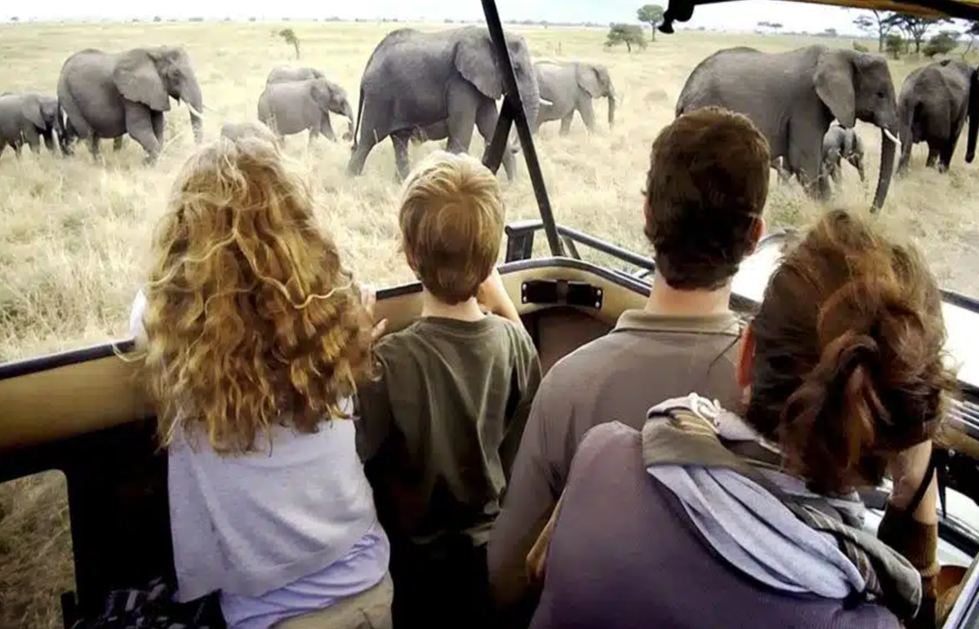
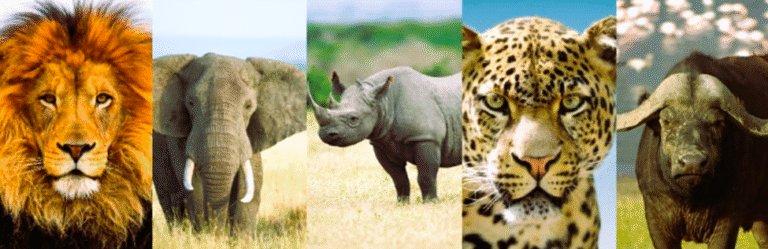
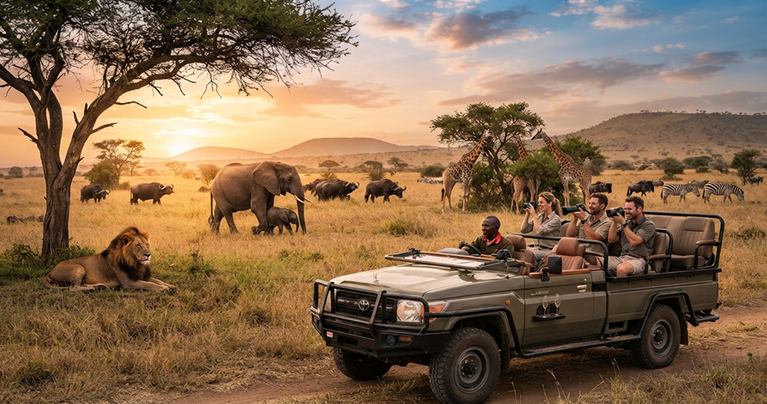
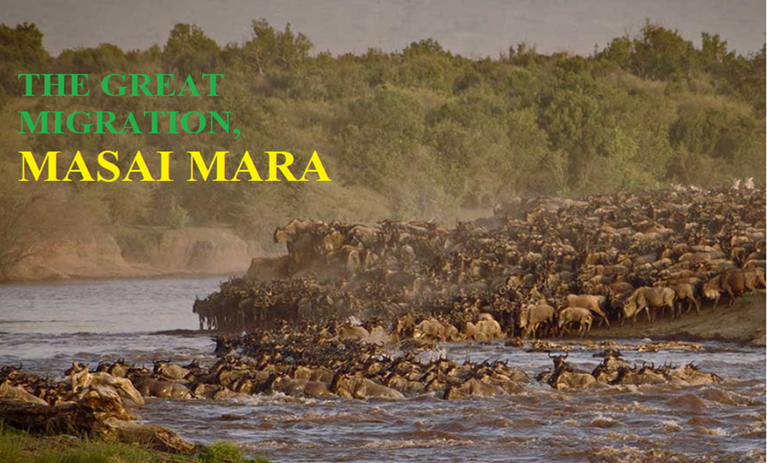
African safaris offer some of the continent’s most memorable travel experiences, with opportunities to see lions, elephants, giraffes, rhinos, and other wildlife in their natural habitats. Popular destinations include Kenya’s Maasai Mara, Tanzania’s Serengeti, Botswana’s Okavango Delta, Namibia’s Etosha National Park, and South Africa’s Kruger National Park. When considering Is Africa Safe for Tourists, it is important to remember that safari activities require caution because wild animals can behave unpredictably. Always follow your guide’s instructions and maintain a safe distance from wildlife.
Important Safari Safety Rules
Follow Your Guide’s Instructions
Always listen to your safari guide and follow the instructions provided by park authorities and accommodation staff. Experienced guides understand wildlife behavior and local safety procedures.
Maintain a Safe Distance from Wildlife
Never approach, touch, feed, or attempt to attract wild animals. Even animals that appear calm can become dangerous when disturbed or threatened.
Stay Inside the Safari Vehicle
During game drives, remain inside the vehicle unless your guide specifically permits you to leave in an authorized area.
Avoid Loud Noises and Sudden Movements
Loud noises, sudden movements, and camera flashes may disturb animals. Maintain a calm environment during wildlife encounters.
Follow Lodge and Camp Rules
Tented camps and safari lodges may be located in areas where wild animals move freely. Follow staff instructions about walking, nighttime movement, and food storage.
Never Leave Food Outside
Food can attract wildlife and other animals. Store food according to the accommodation’s instructions.
Follow Park Regulations
Respect speed limits, designated routes, restricted areas, and wildlife observation rules.
Safari experiences are generally more manageable when travelers choose established operators, experienced guides, and accommodation providers with appropriate safety procedures.
Is Africa safe for tourists during a safari?
For many visitors, organized safaris offer a well-managed way to experience African wildlife. However, safari activities involve natural environments where animals move freely and conditions can change unexpectedly. Before booking a safari, choose an established tour operator, check its experience, and understand the safety procedures followed during game drives and lodge stays. Always follow your guide’s instructions, remain inside the vehicle when required, maintain a safe distance from animals, and never attempt to feed or approach wildlife independently.
Health and Medical Safety in Africa
Health preparation is another important part of planning an African holiday. Travelers may encounter different climates, insects, food conditions, and healthcare facilities depending on their destination. Before departure, consult a qualified healthcare professional or travel clinic to discuss vaccinations, medication, and health precautions based on your itinerary.
Recommended Vaccinations
Depending on your destination, nationality, medical history, and travel plans, a healthcare professional may recommend vaccinations such as:
- Routine vaccinations.
- Hepatitis A.
- Hepatitis B.
- Typhoid.
- Yellow fever.
- Other destination-specific vaccinations where appropriate.
Yellow fever vaccination requirements vary by country and may depend on your travel history or countries visited before arrival. Check official entry requirements before departure.
Malaria Prevention
Malaria is present in several African countries, although the level of risk varies by location and season. Travelers visiting malaria-risk areas should discuss preventive medication with a healthcare professional. Additional precautions include:
- Using insect repellent recommended for the destination.
- Wearing long-sleeved clothing and long trousers, particularly in the evening.
- Sleeping under insecticide-treated mosquito nets where appropriate.
- Choosing accommodation with suitable mosquito protection.
- Reducing exposure to mosquito bites during peak activity periods.
If you develop a fever during or after visiting a malaria-risk area, seek medical attention promptly and tell the healthcare professional about your travel history.
Medical Facilities and Healthcare Access
Healthcare facilities differ between African countries and even between major cities and remote areas. Large cities and established tourist destinations may offer private hospitals and medical clinics. However, remote safari camps, rural areas, and isolated islands may have limited access to advanced medical treatment. Before traveling, identify suitable medical facilities near your accommodation and check whether your insurance covers emergency treatment and evacuation.
Food, Water, and Hygiene Safety in Africa
Food and water safety are important considerations when visiting unfamiliar destinations. Differences in water quality, food preparation, sanitation, and hygiene can increase the risk of stomach infections and foodborne illnesses. Travelers can reduce many common health risks by following basic food and hygiene precautions.
Practical Food and Water Safety Tips
- Drink safe water: Choose sealed bottled water or properly treated drinking water when local tap water is not considered safe for visitors.
- Avoid unsafe ice: Ice made from untreated water may contain harmful microorganisms. Ask about its source before using it in drinks.
- Choose freshly prepared meals: Eat food that is thoroughly cooked and served hot.
- Check food hygiene: Prefer restaurants and food stalls that maintain clean preparation areas and proper food storage.
- Wash your hands: Clean your hands with soap and water before eating and after using the bathroom. Carry hand sanitizer when washing facilities are unavailable.
- Wash fruits and vegetables: Use safe water to clean fresh produce, and peel fruits yourself when appropriate.
- Carry basic medication: Bring personal medicines and suitable treatments recommended by a healthcare professional.
- Avoid improperly stored food: Be careful with food that has been left uncovered or exposed to heat for long periods.
Travelers with food allergies or special dietary requirements should communicate their needs clearly when ordering meals.
Political Stability, Demonstrations, and Civil Unrest
Political conditions vary across African countries and may affect Is Africa Safe for Tourists in certain destinations. Elections, demonstrations, political disagreements, and civil unrest can sometimes disrupt transportation, public services, and visitor safety. Although most tourists may not encounter such disturbances, travelers should check current travel advisories and understand local conditions before departure.
How to Stay Safe During Political Unrest
- Avoid demonstrations, political gatherings, and large public protests.
- Follow official government announcements and local news.
- Avoid taking photographs of sensitive government or security installations.
- Follow instructions from local authorities.
- Keep alternative transportation arrangements in mind.
- Contact your embassy if the security situation deteriorates.
- Consider changing your travel plans if official advisories recommend avoiding a particular area.
Do not assume that conditions are the same throughout a country. A political disturbance may affect one city or region without directly affecting other tourist destinations.
Terrorism and Regional Security Risks
Terrorism is a security concern in certain parts of the world, including some African regions. However, the level of risk differs significantly between countries and locations. Certain areas of the Sahel, parts of Somalia, and some conflict-affected regions have experienced serious security incidents. These risks may include armed attacks, kidnapping, and threats to public places. Before traveling, review official government advisories and pay attention to warnings about specific regions, border areas, and transportation routes. Visitors should use established accommodation and tour operators, follow local security guidance, and avoid traveling into areas where authorities advise against visiting.
Is Africa safe for tourists traveling alone?
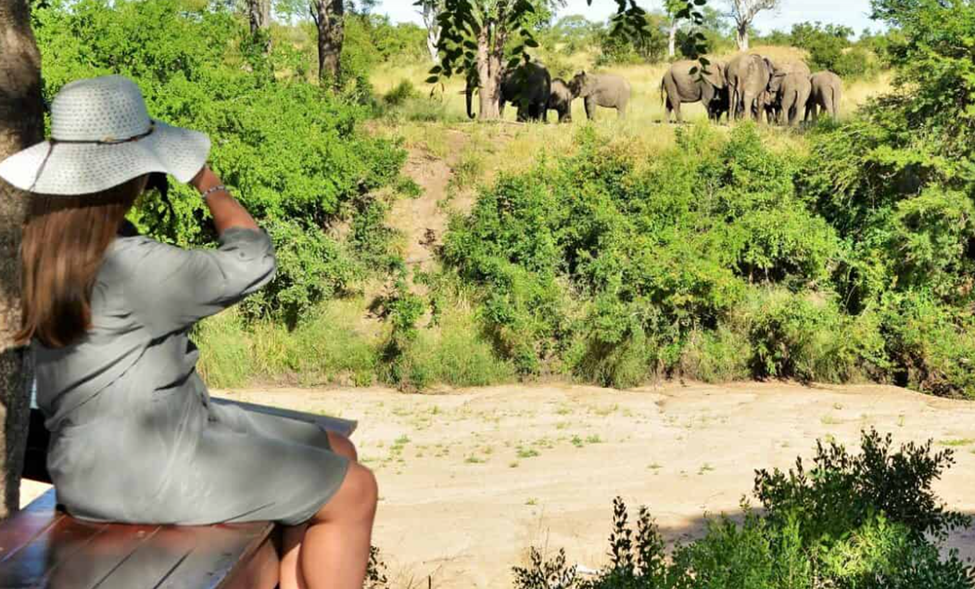
Solo travel allows visitors to explore destinations independently, experience local cultures, and create flexible itineraries. Many travelers visit African countries alone, although preparation is particularly important when exploring unfamiliar cities and remote locations. Before booking a solo trip, research your destination, transportation options, accommodation, and local travel conditions.
Solo Travel Safety Tips
- Choose accommodation with reliable reviews and suitable security arrangements.
- Share your itinerary with a trusted family member or friend.
- Use reputable transportation services.
- Avoid isolated locations after dark.
- Keep your passport, cash, and valuables secure.
- Research neighborhoods before booking accommodation.
- Keep emergency contact details accessible.
- Consider organized tours for remote destinations and unfamiliar activities.
Destinations such as Rwanda, Namibia, Botswana, Mauritius, and Seychelles are often considered by independent travelers. However, the suitability of each destination depends on individual travel plans and current conditions.
Solo Female Travel Safety in Africa
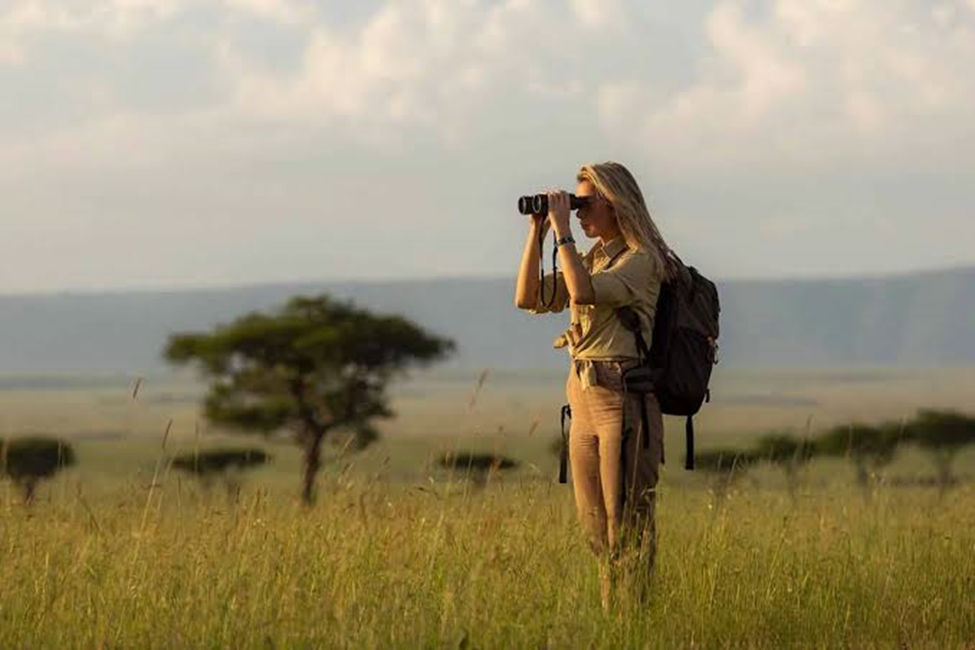
Africa offers many rewarding experiences for women traveling independently, including wildlife safaris, cultural attractions, city exploration, and beach holidays. However, female travelers may need to consider additional issues such as unwanted attention, harassment, local dress expectations, and transportation safety.
Practical Safety Advice for Female Travelers
- Research local customs and dress expectations before visiting conservative communities.
- Choose accommodation in suitable and well-reviewed locations.
- Avoid walking alone in unfamiliar areas late at night.
- Use reputable taxis or established ride-hailing services.
- Be cautious when accepting invitations or assistance from strangers.
- Keep friends or family informed about your travel plans.
- Choose recognized guides and organized tours for remote activities.
- Trust your judgment and leave situations that make you uncomfortable.
Some travelers consider Rwanda, Namibia, Botswana, Mauritius, and Seychelles for independent trips because of their established tourism offerings. Nevertheless, women should research individual locations rather than assume that every area is equally suitable.
Cultural Awareness and Respect for Local Traditions
Understanding local customs can make travel more comfortable and help visitors build positive relationships with local communities. Africa has extraordinary cultural diversity, and traditions differ between countries, ethnic groups, cities, and rural communities. Practices that are common in one destination may be inappropriate in another.
Important Cultural Considerations
Dress Appropriately
Choose clothing that respects local customs, especially when visiting religious sites, traditional communities, or conservative regions.
Respect Religious Places
Follow local rules when visiting mosques, churches, temples, and other religious sites. Some locations may require visitors to cover their shoulders, legs, or heads.
Ask Before Taking Photographs
Always ask permission before photographing individuals, especially children and people in traditional communities.
Learn Basic Greetings
Learning a few local words and greetings can make interactions more welcoming and respectful.
Respect Local Traditions
Avoid making assumptions about local lifestyles, customs, and beliefs. Observe local behavior and follow community guidance. Cultural awareness is not only about avoiding misunderstandings; it also makes your travel experience more meaningful.
Is Africa Safe for Tourists? Understand Transportation Safety
Transportation is an important part of planning an African holiday. Depending on your destination, you may travel by domestic flights, private vehicles, buses, trains, taxis, or organized safari transfers. However, transportation standards and road conditions vary considerably between countries.
Air Travel
Domestic and international flights are useful for covering long distances, particularly when visiting several countries or remote safari destinations.
Before booking:
- Choose reputable airlines.
- Check baggage rules and flight schedules.
- Confirm airport transfer arrangements.
- Allow enough time for international connections.
- Review relevant airline and aviation safety information.
Airline services, airport facilities, and aviation standards vary between destinations. Do not assume that every airline or airport offers the same level of service.
Public Transportation
Public transport can provide affordable ways to explore cities and towns. However, services, vehicle conditions, routes, and passenger safety differ between destinations. Research transportation options before traveling. Use recognized operators where possible and keep your belongings secure in crowded vehicles and stations.
Taxis and Ride-Hailing Services
Use licensed taxis or reputable ride-hailing services where available. Confirm the destination and expected fare before starting your journey. Avoid accepting transportation offers from unknown individuals, especially at airports or outside major tourist attractions.
Road Safety and Self-Driving Tips in Africa
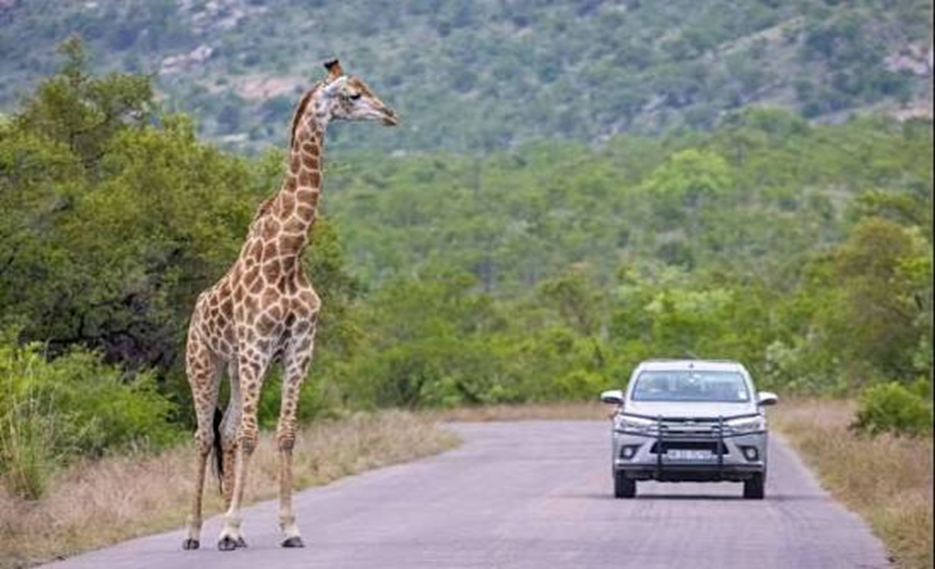
Self-driving holidays are popular in countries such as Namibia, Botswana, and South Africa because they allow visitors to explore national parks, deserts, coastal areas, and remote landscapes independently. However, driving conditions can vary significantly between urban highways, rural roads, and safari routes. Proper preparation is essential, particularly when traveling long distances.
Important Road Safety Tips
1. Understand Local Driving Rules
Some African countries drive on the left side of the road, while others drive on the right. Learn the local driving system before starting your journey. Check whether you need an International Driving Permit, and understand the local licensing and rental requirements.
2. Be Careful on Rural Roads
Some rural routes may have gravel surfaces, potholes, limited road signs, and poor lighting. Reduce your speed and maintain a safe distance from other vehicles.
3. Avoid Unnecessary Night Driving
Night driving can be challenging because of limited lighting, pedestrians, livestock, wildlife crossings, and reduced visibility.
Whenever possible, plan long journeys during daylight hours.
4. Watch for Wildlife and Livestock
Animals may cross roads unexpectedly, particularly near national parks and rural communities. Reduce your speed and follow posted wildlife warnings.
5. Plan Fuel Stops Carefully
Some destinations have long distances between fuel stations. Check your route, fuel availability, and estimated driving time before leaving.
6. Choose the Right Vehicle
A reliable 4×4 may be necessary for certain remote areas, gravel roads, and safari routes. Check the vehicle requirements for your planned itinerary before renting.
7. Inspect Your Rental Vehicle
Before departure, check the tires, brakes, lights, spare tire, fuel level, and emergency equipment. Understand the rental company’s insurance and roadside assistance arrangements.
8. Carry Emergency Supplies
Keep drinking water, a charged mobile phone, a power bank, a first-aid kit, and important contact details in your vehicle.
9. Use Offline Navigation
Download maps before entering remote areas where mobile signals may be weak or unavailable. If you are unfamiliar with local roads or driving conditions, hiring a professional driver or joining an organized tour may be a more convenient option.
Natural Hazards and Environmental Safety
When considering Is Africa Safe for Tourists, it is important to understand that Africa’s diverse natural environments, including deserts, mountains, tropical forests, lakes, and coastlines, offer exciting travel opportunities but may also present environmental risks.
Extreme Heat and Sun Exposure
Some destinations experience very high temperatures, particularly during the dry season. Travelers exploring deserts, national parks, and open landscapes should carry sufficient drinking water, wear protective clothing, and use sunscreen. Avoid strenuous outdoor activities during the hottest parts of the day when conditions are extreme.
Heavy Rainfall and Flooding
Certain regions experience seasonal rainfall that can cause flooding, road closures, and transportation delays. Check weather forecasts before traveling, particularly if your itinerary includes rural roads, river crossings, or remote accommodation.
Ocean and Beach Safety
African coastal destinations offer opportunities for swimming, snorkeling, surfing, and boat trips. However, strong currents, large waves, and changing sea conditions can create risks. Follow local beach warnings, swim in designated areas, and use reputable operators for water activities.
Hiking and Mountain Activities
Travelers planning mountain climbing or hiking should research weather conditions, trail difficulty, altitude, and necessary equipment. For challenging activities such as Mount Kilimanjaro climbing, use established operators and follow professional guides.
Insects and Wildlife
Insects, snakes, and other wildlife may create risks in certain environments. Use appropriate insect protection, wear suitable footwear, and avoid touching unfamiliar animals. Always follow local guidance when exploring forests, national parks, and remote natural areas.
Is Africa safe for tourists with families?
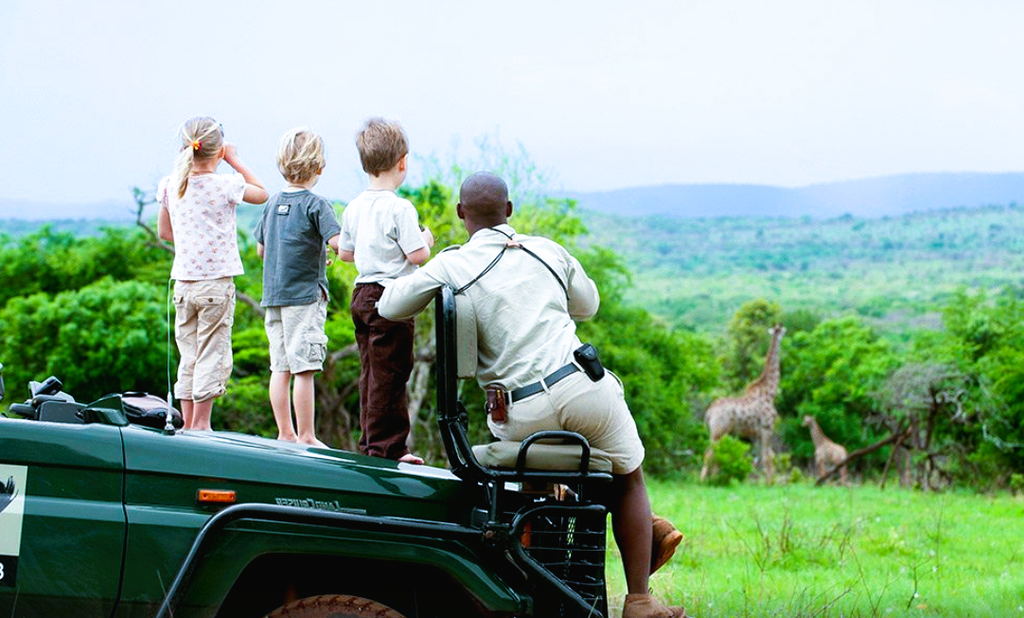
Many African destinations offer family-friendly travel experiences, including wildlife safaris, beaches, cultural attractions, and nature activities. However, traveling with children requires additional preparation because their health, comfort, and safety needs may differ from those of adults.
Important Safety Tips for Families
- Choose family-friendly accommodation: Look for hotels and lodges with suitable facilities, secure surroundings, and family rooms.
- Check safari age restrictions: Some wildlife activities have minimum age requirements. Confirm these rules before booking.
- Prepare medical documents: Discuss recommended vaccinations, malaria prevention, and necessary medicines with a healthcare professional.
- Supervise children: Keep children close in crowded markets, airports, transport stations, and tourist attractions.
- Arrange safe transportation: Confirm that suitable child seats are available when traveling by private vehicle or taxi.
- Choose safe food and water: Give children properly treated or sealed drinking water where necessary and freshly prepared meals.
- Protect against the sun: Carry sunscreen, hats, lightweight clothing, and sufficient drinking water.
- Keep emergency information available: Children should know how to contact a parent, guardian, or hotel staff member if they become separated.
For wildlife activities, always follow the safari guide’s instructions and choose operators experienced in organizing family trips.
LGBTQ+ Travel Safety in Africa: Is Africa Safe for Tourists?
LGBTQ+ travelers should research local laws and social attitudes before visiting African countries because legal protections and social acceptance vary considerably across the continent. Some countries have more protective legal frameworks, while others have laws that criminalize same-sex relationships or restrict LGBTQ+ expression. These laws and their enforcement can have serious implications for visitors. South Africa has constitutional protections for LGBTQ+ people and is often considered a comparatively progressive destination in this respect. However, travelers should still research individual locations and take ordinary personal safety precautions.
Before booking a trip:
- Research the destination’s current laws and regulations.
- Check official government travel advisories.
- Understand local social and cultural expectations.
- Review accommodation and transportation arrangements.
- Consider personal safety when using dating apps or sharing private information.
- Seek reliable legal and travel guidance if you have concerns.
Do not assume that laws and social attitudes are the same throughout Africa. Check current information for every country included in your itinerary.
Budget Travel vs. Luxury Travel Safety
Travel budgets can influence accommodation, transportation, and activity choices. However, spending more money does not automatically guarantee a completely safe holiday. Budget travelers may use hostels, public transportation, shared transfers, and affordable guesthouses. Luxury travelers may choose private vehicles, high-end hotels, guided safaris, and exclusive lodges.
Both travel styles require preparation and sensible safety decisions.
Budget Travel Safety
- Choose hostels and guesthouses with recent positive reviews.
- Research the surrounding neighborhood before booking.
- Use reputable public transport or licensed taxis.
- Keep valuables secure in shared accommodation.
- Avoid choosing extremely cheap tours without checking the operator.
Luxury Travel Safety
- Choose reputable hotels, resorts, and safari lodges.
- Confirm airport transfers before arrival.
- Check the safety arrangements offered by tour operators.
- Understand the emergency procedures at remote lodges.
- Confirm insurance coverage for expensive activities and medical evacuation.
The most important factor is not how much you spend but whether you choose reliable services and make informed decisions.
Internet, Mobile Connectivity, and Staying Connected in Africa
Staying connected while traveling in Africa can make your journey safer and more convenient. Internet access allows you to use maps, contact hotels, arrange transportation, check travel updates, and communicate with family or friends. However, mobile coverage and internet speed vary significantly between countries, cities, rural areas, and remote safari destinations. Major cities and popular tourist destinations generally offer better mobile coverage and Wi-Fi access. However, remote national parks, deserts, mountains, and some rural areas may have weak signals or no internet connection.
Useful Tips for Staying Connected
Buy a Local SIM Card
Purchasing a local SIM card after arrival can provide affordable mobile data and calling services. Check the registration requirements before buying one.
Consider an eSIM
If your phone supports eSIM technology, you can arrange a suitable data plan before departure. Compare coverage and data allowances for your destinations.
Use Hotel Wi-Fi
Hotels, restaurants, airports, and tourist lodges may provide Wi-Fi. However, connection speed and reliability can differ.
Download Offline Maps
Save Google Maps or another navigation app’s offline maps before visiting remote destinations. This can help you navigate when internet access is unavailable.
Keep Emergency Contacts
Save your accommodation details, local emergency numbers, travel insurance information, and embassy contact details on your phone.
Carry a Power Bank
A portable charger helps keep your phone available during long journeys and outdoor activities.
Use Secure Connections
Avoid accessing banking accounts or entering sensitive information through unsecured public Wi-Fi. Use a trusted VPN when appropriate.
Share Your Itinerary
Let a trusted family member or friend know your travel plans, accommodation details, and expected arrival times. For safari travelers, remember that mobile signals may be unavailable inside some national parks and remote lodges. Download important documents, maps, and travel information before leaving cities or towns. Staying connected is not just about convenience; it is also an important part of travel safety.
🧳 Preparing for Your Travel?
“Make your trip more comfortable and convenient with useful travel essentials available on Amazon”
Emergency Contacts and What to Do in an Emergency
Although most travelers complete their holidays without serious problems, understanding Is Africa Safe for Tourists also means preparing for unexpected emergencies. Theft, road accidents, medical problems, or lost passports can occur during international travel. Keep emergency contacts, travel insurance details, and passport copies accessible so you can respond quickly and protect yourself throughout your journey.
What to Do in Different Emergencies
Contact Local Police
If your belongings are stolen, you experience a robbery, or you face another security incident, move to a safe location and contact the local police. Request a police report if you need one for an insurance claim.
Find Medical Assistance
In case of illness or injury, contact local emergency medical services or visit the nearest suitable hospital or clinic.
Contact Your Embassy or Consulate
If your passport is lost or stolen, contact your country’s embassy or consulate for guidance about emergency travel documents.
Inform Your Insurance Provider
Contact your travel insurance company’s emergency assistance service as soon as possible, especially if you need hospital treatment or medical evacuation.
Contact Your Accommodation
If you need assistance with local transport, translation, or contacting emergency services, ask your hotel or tour operator for help.
Inform Someone You Trust
Contact a family member or friend and explain your situation and current location.
Emergency Preparation Checklist
- Save local police, ambulance, and fire service numbers.
- Keep your embassy or consulate contact details.
- Save your accommodation address and telephone number.
- Keep digital copies of your passport, visa, insurance policy, and flight tickets.
- Store important documents securely and keep separate backup copies.
- Carry your insurance provider’s emergency assistance number.
- Keep some emergency money separate from your wallet.
Emergency telephone numbers differ between African countries. Check the correct numbers for every destination before departure rather than assuming one number works throughout the continent.
Travel Insurance and Medical Evacuation
Travel insurance is an important part of international travel preparation. It can help protect visitors against unexpected expenses caused by medical emergencies, trip cancellations, lost luggage, and other covered travel problems. Healthcare costs and emergency transportation expenses can be significant, particularly when treatment is required in a remote destination.
What Should Your Travel Insurance Cover?
Emergency Medical Treatment
Check whether your policy covers hospital treatment, medical consultations, emergency medication, and other necessary medical expenses.
Medical Evacuation
Medical evacuation coverage is particularly important for travelers visiting remote safari destinations, mountain areas, and isolated locations where advanced medical facilities may not be available.
Trip Cancellation and Interruption
Some policies cover eligible financial losses if your trip is cancelled or interrupted because of specified unexpected events.
Lost or Delayed Baggage
Check whether your policy provides compensation for eligible lost, stolen, or delayed luggage.
Adventure and Outdoor Activities
If you plan to climb mountains, go scuba diving, participate in adventure sports, or take part in other higher-risk activities, confirm that your insurance specifically covers them.
Important Insurance Considerations
Before purchasing a policy, review:
- Medical coverage limits.
- Emergency evacuation limits.
- Deductibles and excess payments.
- Pre-existing medical condition exclusions.
- Adventure activity exclusions.
- Trip cancellation conditions.
- Claims procedures and emergency contact details.
Read the policy carefully rather than assuming every travel problem is covered.
Travel Advisories and How to Check Them
Travel advisories provide important information about security conditions, political developments, health concerns, and other potential risks in international destinations. Before visiting an African country, check the latest advice issued by your government. These official sources can help you understand which areas require additional caution and whether travel restrictions or warnings apply.
Official Travel and Health Resources
1. UK Foreign, Commonwealth & Development Office (FCDO)
Official travel advice: https://www.gov.uk/foreign-travel-advice
Provides country-specific information about security, entry requirements, local laws, and safety risks.
2. U.S. Department of State
Travel advisories: https://travel.state.gov/content/travel/en/traveladvisories/traveladvisories.html
Provides country travel advisory levels and security information for international visitors.
3. World Health Organization (WHO)
Travel and health guidance: https://www.who.int/health-topics/travel-and-health
Provides international travel health information and recommendations.
4. Centers for Disease Control and Prevention (CDC)
Travel health information: https://wwwnc.cdc.gov/travel
Provides destination-specific health notices, vaccination guidance, and disease prevention advice.
How to Use Travel Advisories Effectively
- Select the African country you plan to visit.
- Read the latest security and health information.
- Check whether warnings apply to the entire country or only specific regions.
- Review advice about road travel, public transportation, demonstrations, and border areas.
- Check the information again shortly before departure.
- Monitor official updates during your trip, especially if you are visiting several countries.
Travel advisories are issued by individual governments and may differ according to their assessments. Check the advice relevant to your nationality and travel circumstances.
Essential Safety Checklist: Is Africa Safe for Tourists?
Good preparation can make international travel easier and help reduce avoidable problems. Before leaving home, review this practical checklist to make sure you have considered the most important safety requirements.
Documents and Travel Preparation
- Check passport validity and visa requirements.
- Review official travel advisories for every destination.
- Purchase suitable travel insurance.
- Save digital copies of important documents.
- Keep emergency contact details accessible.
- Confirm accommodation and transportation reservations.
Health and Personal Safety
- Consult a healthcare professional about recommended vaccinations.
- Discuss malaria prevention if visiting a risk area.
- Pack personal medication and basic first-aid supplies.
- Carry sunscreen and suitable insect repellent.
- Research local food and water safety conditions.
- Identify medical facilities near your accommodation.
Transportation and Accommodation
- Use reputable tour operators and transportation providers.
- Research accommodation locations before booking.
- Confirm airport transfers in advance.
- Check local driving regulations if renting a vehicle.
- Download offline maps for remote journeys.
- Avoid unnecessary night driving.
Money and Digital Security
- Carry more than one payment option.
- Avoid displaying large amounts of cash.
- Use secure ATMs and protect your PIN.
- Arrange a local SIM card or eSIM if needed.
- Keep your phone charged and carry a power bank.
- Share your itinerary with a trusted contact.
Suggestion
So, is Africa safe for tourists? Yes, many international visitors can enjoy a safe and rewarding trip by choosing suitable destinations and following sensible safety precautions. Africa offers wonderful travel experiences, from Namibia’s deserts and Mauritius’s beaches to wildlife safaris in Kenya, Tanzania, and Botswana. However, safety conditions vary between countries and regions. Before travelling, check official travel advisories, arrange reliable accommodation and transportation, protect your belongings, and follow local advice. With proper planning, you can enjoy Africa’s landscapes, wildlife, and cultural attractions while travelling responsibly.