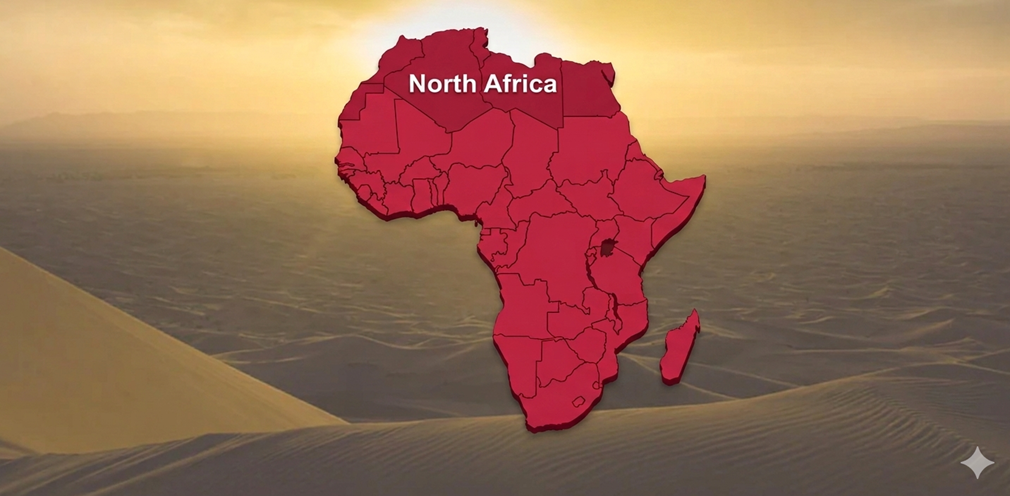
North Africa is a region of rich culture, history, and breathtaking landscapes. From the vast Sahara Desert to the bustling markets of Marrakech and Cairo’s iconic pyramids, travelers can experience a unique blend of ancient civilizations, Mediterranean vibes, and modern cities. This North Africa Travel Guide 2026 is designed to help you plan a seamless journey, covering the top destinations, cultural experiences, local cuisine, safety tips, and practical travel advice. Whether you are seeking adventure, relaxation, or cultural immersion, this guide has you covered.
Why Visit North Africa in 2026?
North Africa is among the most desired destinations for tourists, looking for adventure, culture, and past events. Furthermore, exploration is now simpler than ever because of developments in flight connectivity, tourism infrastructure, and security protocols. From the Mediterranean beaches to Sahara Desert expeditions, from historic ruins to bustling cities, the region has a lot to offer. Thus, using this North Africa Travel Guide 2026 will guarantee that you have the most up-to-date information when making travel plans.
Furthermore, North Africa appeals to both experienced explorers and first-time tourists due to its affordability, distinctive experiences, and cultural immersion.
Overview of North Africa
North Africa comprises several countries, each with distinct culture, landscapes, and attractions. This North Africa Travel Guide 2026 focuses primarily on Morocco, Egypt, Tunisia, Algeria, and Libya.
Morocco: Known for vibrant medinas, desert adventures, and coastal cities.
Egypt: Famous for the pyramids, Nile River, and ancient temples.
Tunisia: Offers Mediterranean beaches, Sahara adventures, and Roman ruins.
Algeria: Rich history, Sahara Desert landscapes, and architectural wonders.
Libya: Less-visited, featuring ancient ruins and desert landscapes.
Transitioning from ancient history to modern cities, North Africa provides experiences that cater to every type of traveler.
Top Destinations in North Africa
Morocco
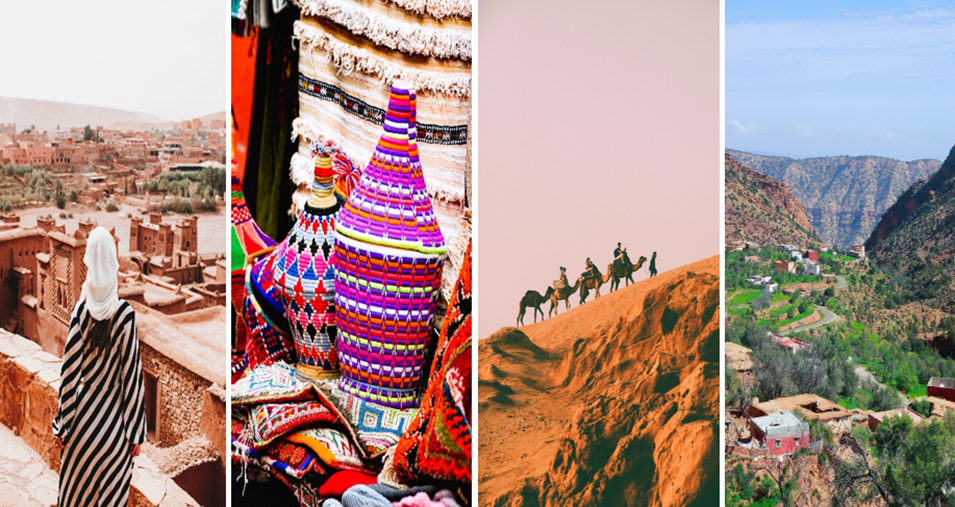
Morocco is a traveler’s dream, presenting historic medinas, colorful markets and desert safaris. Cities like Marrakech, Fez, and Chefchaouen are cultural hotspots. Also, the Atlas Mountains offer adventure for trekking fans. Visiting the Sahara Desert allows tourists to experience camel treks, starry nights, and desert camps.
Egypt
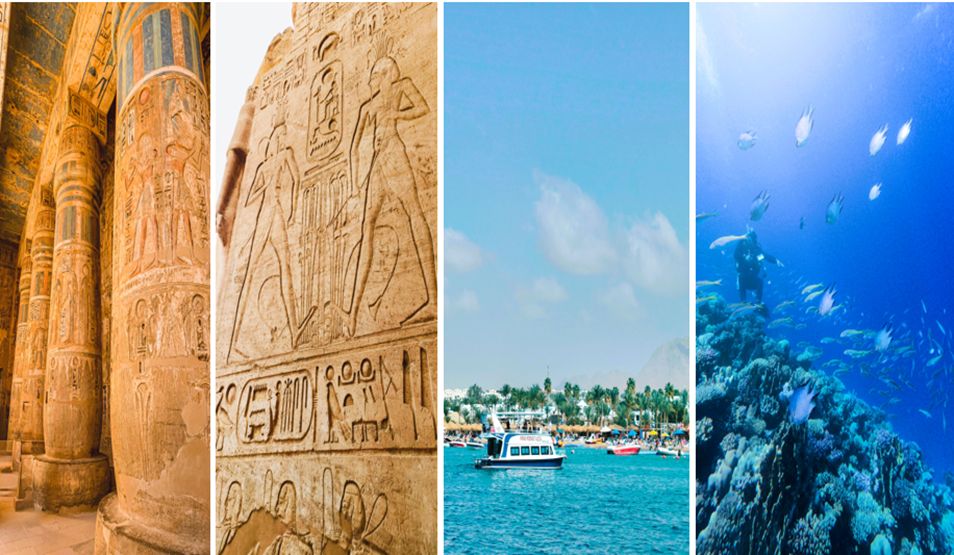
Egypt is identical with early wonders. Luxor and Aswan feature holy places, and the Nile River. Transitioning to the Red Sea, tourists can explore Sharm El Sheikh or Hurghada for diving and beach resorts.
Tunisia
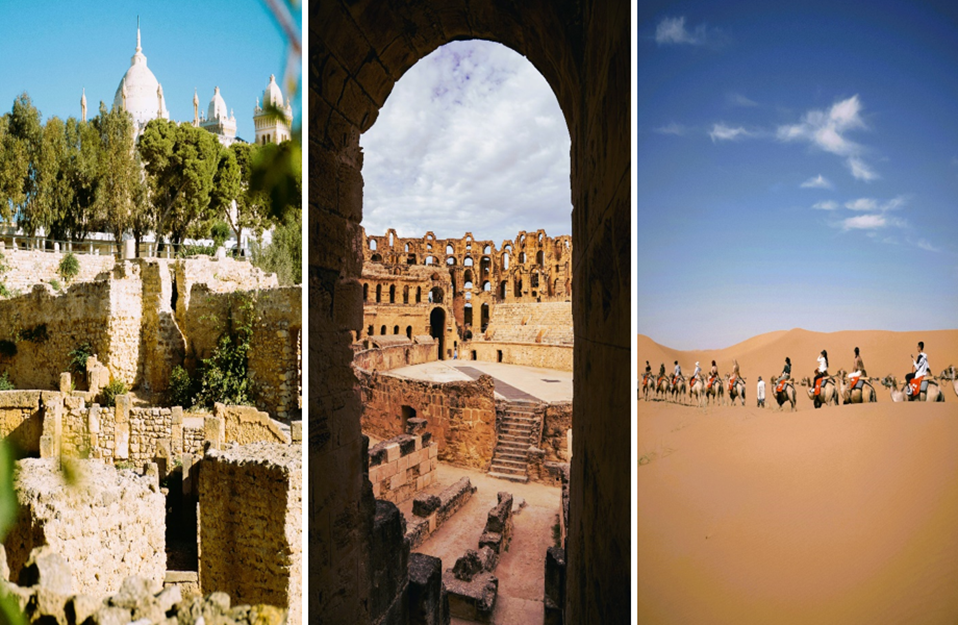
Tunisia offers historical places and Mediterranean beaches, including Carthage and El Jem. Also, the Sahara Desert offers opportunities for camel trekking and camping under the stars. Tunis, the capital, has a blend of modern life and ancient building.
Algeria
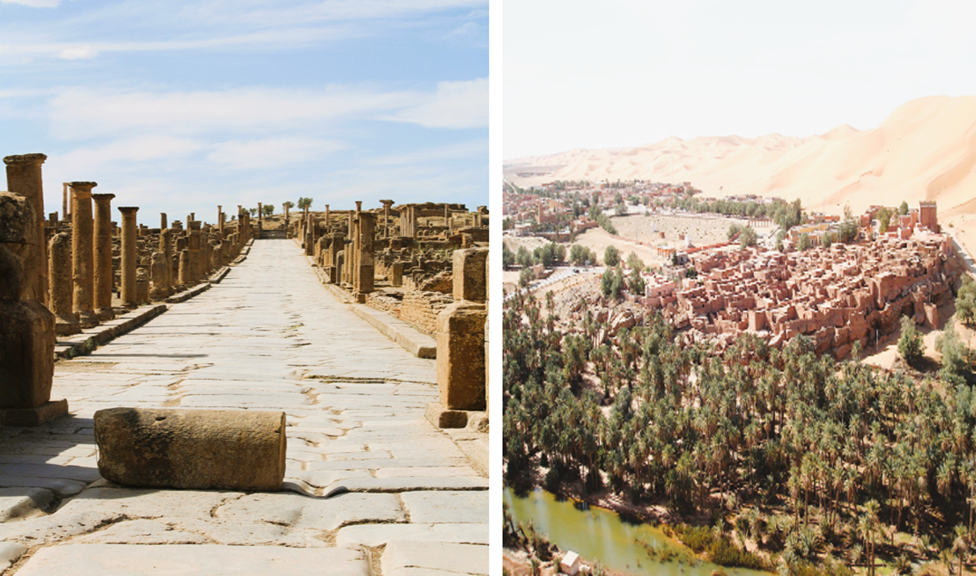
Algeria’s highlights include Roman ruins like Timgad and Algiers, the Saharan oases. Moreover, Algeria’s less-touristy spots appeal to exploratory travelers seeking authentic experiences.
Libya
However less-visited, Libya offers ancient ruins, vast desert landscapes and Mediterranean beaches. Proper preparation and safety measures are crucial for exploring this country.
Culture and Heritage
North Africa’s culture is an involved blend of Arab, Berber, and Mediterranean influences. Traditional music, vibrant markets, festivals, and artisan crafts offer travelers an immersive cultural experience. For example, Morocco’s Gnaoua festival and Tunisia’s Carthage Film Festival are notable events.
Moreover, North African architecture, including mosques, medinas, and ancient ruins, provides insight into the region’s rich history. Visiting these sites allows travelers to connect with centuries-old traditions while appreciating modern cultural expressions.
Cuisine in North Africa
North African cuisine is known for its bold flavors, spices, and diversity.
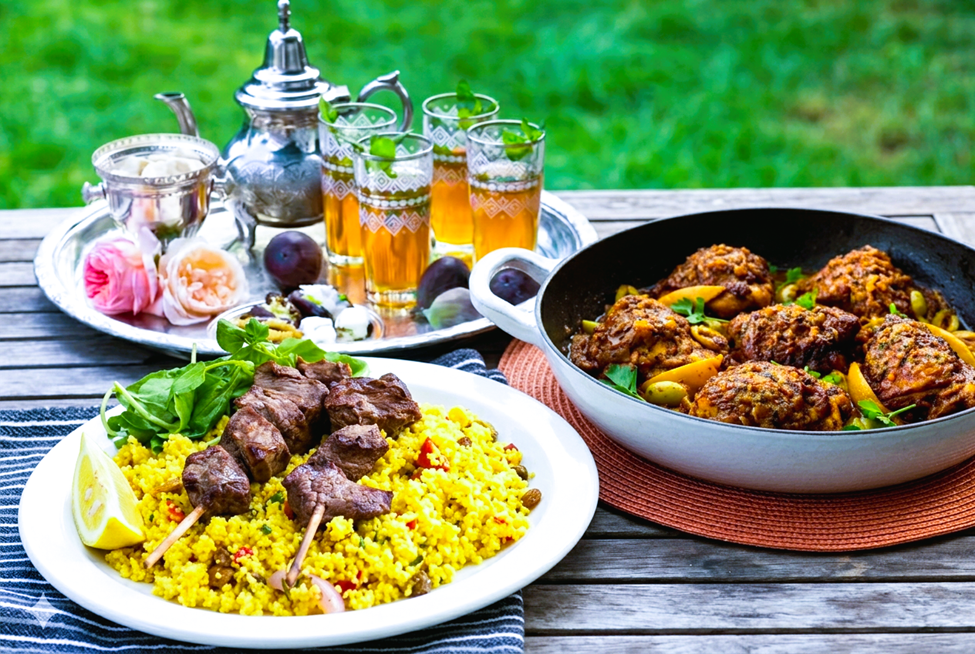
- Morocco: Tagines, couscous, and mint tea.
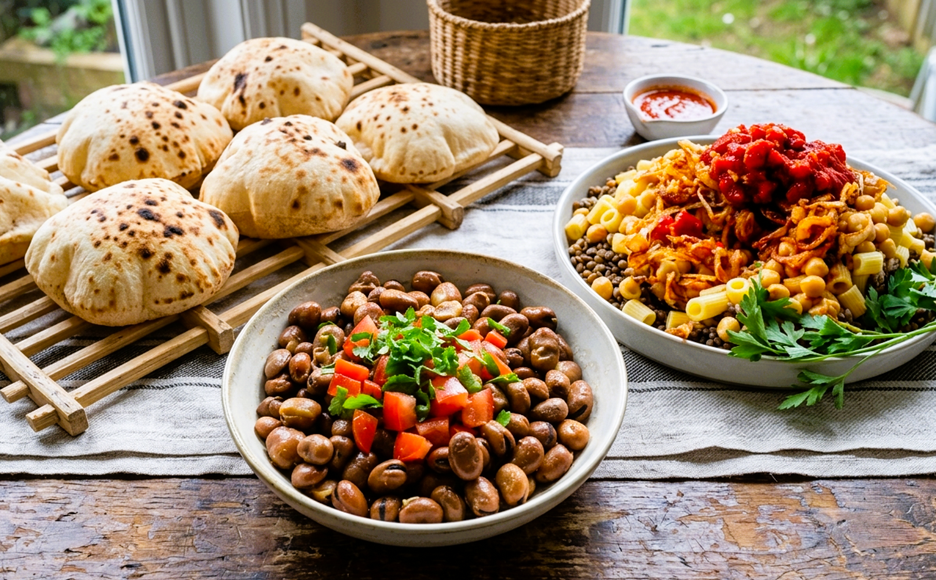
- Egypt: Koshari, ful medames, and traditional bread.
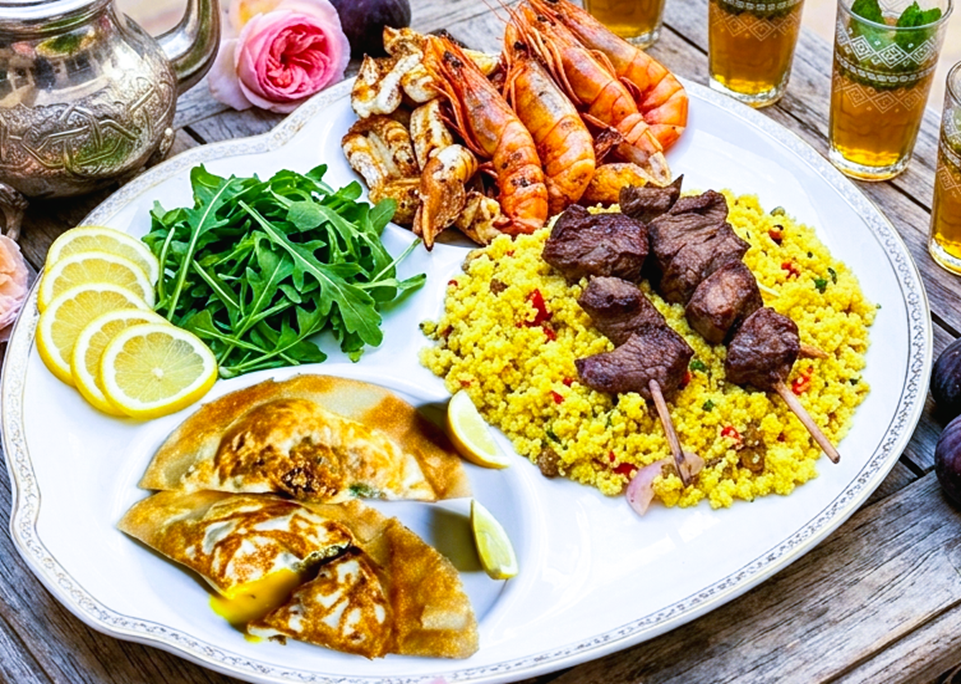
- Tunisia: Couscous, Brik, and seafood dishes.
- Algeria: Tajine variants, couscous, and pastries.
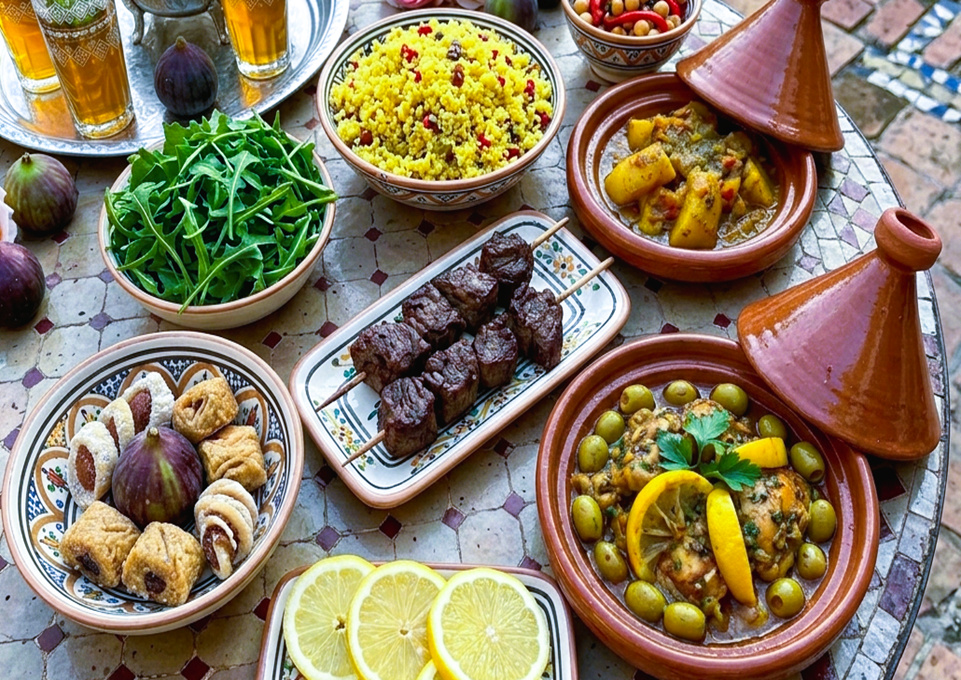
Transitioning from street food to fine dining, North African cuisine reflects both local traditions and regional variations. Sampling local dishes is a must for any visitor following this North Africa Travel Guide 2026.
Best Time to Visit North Africa
North Africa’s climate varies from Mediterranean coasts to desert interiors.
- Spring (March–May): Ideal for comfortable temperatures and outdoor activities.
- Autumn (September–November): Another perfect time to explore cities and deserts.
- Summer (June–August): Can be very hot in deserts; coastal cities remain pleasant.
- Winter (December–February): Mild in coastal areas but cold at higher elevations.
Choosing the right season ensures optimal experiences and aligns with festival calendars and desert excursions.
Safety Tips for North Africa
While North Africa is generally safe for tourists, certain precautions should be taken.
- Travel in groups or with reputable tour operators
- Avoid political demonstrations and crowded protests
- Respect local customs and dress modestly
- Use official transportation services
Countries like Morocco, Tunisia, and Egypt are among the safest, while travelers should research conditions in Algeria and Libya carefully. This North Africa Travel Guide 2026 emphasizes responsible travel to ensure safety.
Visa & Entry Requirements
Visa policies vary widely. Some countries offer visa-free entry, others provide visas on arrival, or e-visas. Travelers should consult official embassy websites prior to departure. Additionally, passports usually require at least six months validity.
Budget & Travel Costs
North Africa can accommodate all budgets:
- Budget travel: $40–$80/day
- Mid-range travel: $100–$200/day
- Luxury travel: $300+/day
Accommodation ranges from hostels and riads to luxury hotels. Food, transport, and guided tours affect overall costs. Proper planning ensures travelers align their experiences with budgets outlined in this North Africa Travel Guide 2026.
NOTE: Costs are subject to change over time. For the most accurate and up-to-date pricing, please consult your local travel agencies or refer to official websites.
Suggested Itineraries
7-Day Morocco Highlights
- Marrakech, Atlas Mountains, Sahara Desert
10-Day Egypt Historical Adventure
- Cairo, Giza, Luxor, Nile Cruise
12-Day North Africa Combo
- Morocco → Tunisia → Egypt, covering culture, deserts, and beaches