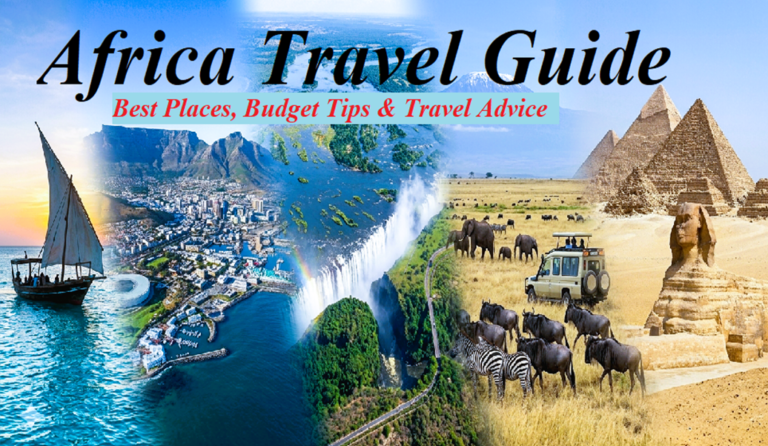
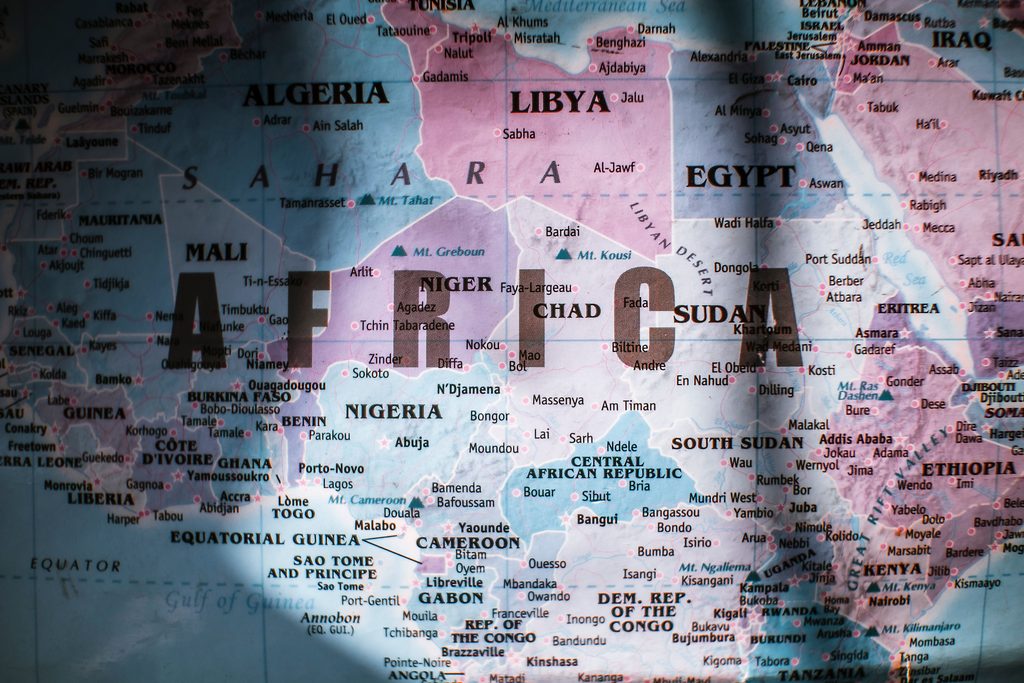
Africa offers diverse travel experiences, from exploring Egypt’s ancient pyramids and Morocco’s vibrant markets to enjoying wildlife safaris in Kenya and Tanzania, discovering South Africa’s cities, and relaxing on beautiful beaches. However, How Much Does a Trip to Africa Cost in 2026 depends on your destination, travel style, trip duration, accommodation, and planned activities. For a two-week vacation, travelers may spend approximately $1,500–$4,000 per person for a budget trip, $3,000–$7,000 for a mid-range holiday, or $7,000–$15,000+ for a luxury experience, including an estimated allowance for international flights. These figures are general planning estimates, not fixed prices. Luxury safaris, remote destinations, domestic flights, and special activities can increase your total expenses considerably.
This guide explores Africa travel costs in 2026, covering regional budgets, flights, accommodation, food, transportation, safari packages, and additional expenses. It also shares practical money-saving tips to help you plan a memorable African vacation that suits your interests and budget.
How Much Does a Trip to Africa Cost in 2026?
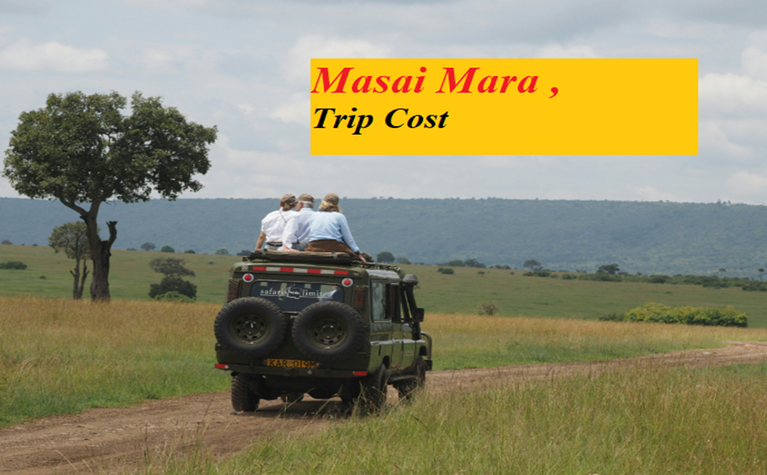
The total cost of a trip to Africa depends on where you go, how long you stay, and what you want to experience. A holiday focused on cities, beaches, and cultural attractions may cost much less than a safari itinerary involving several national parks, domestic flights, and luxury lodges. For example, travelers exploring Morocco or Egypt can often keep daily expenses relatively low by choosing local restaurants, guesthouses, and public transportation. In contrast, a safari in Tanzania’s Serengeti or Kenya’s Maasai Mara can involve additional park fees, conservation charges, guided game drives, and specialized accommodation.
The following estimates provide a starting point for planning a trip in 2026.
| Travel style | Estimated daily Budget Per person | Estimated 7-day trip | Estimated 14-day trip |
| Budget | $50–$100 | $350–$700 | $700-$1,400 |
| Mid-range | $120–$250 | $840–$1,750 | $1,680–$3,500 |
| Luxury | $400–$800+ | $2,800–$5,600+ | $5,600–$11,200+ |
These estimates cover typical on-the-ground travel expenses, not international flights. Major safari activities, expensive permits, park fees, and other high-cost experiences may require additional allowances. Luxury safari packages may include many of these expenses. For a broader vacation budget, add international airfare, travel insurance, visa fees, and any activities not included in your accommodation or tour package. The final amount also depends on whether you travel alone or share rooms and transportation with other people.
What Factors Affect Africa Travel Costs?
Several factors influence the cost of an African vacation:
- Destination: Countries have different accommodation prices, transport networks, park fees, and living costs.
- Travel season: Popular wildlife-viewing periods and school holidays can increase demand and accommodation prices.
- Accommodation: Hostels and guesthouses generally cost less than boutique hotels, safari lodges, and private villas.
- Transportation: Public buses and shared transfers usually cost less than private vehicles, charter flights, and domestic flights.
- Activities: Guided safaris, gorilla trekking, hot-air balloon rides, and mountain climbing can significantly increase your budget.
- Trip duration: Longer stays increase total spending, although slower travel can reduce the average daily cost.
- Group size: Sharing accommodation, rental vehicles, and private guides can lower the cost per person.
Understanding these factors helps you choose the right destination and estimate your total expenses more accurately.
Average Daily Travel Budget in Africa
Your daily budget should cover accommodation, meals, transportation, sightseeing, and everyday necessities. To understand How Much Does a Trip to Africa Cost in 2026, start by estimating these everyday expenses for your chosen destination. However, average expenses vary considerably across Africa, so it is better to calculate costs for each destination rather than rely on one figure for the entire continent.
For a general 2026 planning guide, consider the following ranges.
Budget Travel: $50–$100 Per Day
Budget travelers can reduce expenses by staying in hostels, affordable guesthouses, or campsites and eating at local restaurants. Public buses, shared minibuses, and free attractions can also help keep daily spending manageable. This budget can work for independent travel in selected destinations, particularly when you avoid expensive safari packages and frequent domestic flights. However, it may not cover every destination or activity. Park fees, long-distance transfers, and specialist permits can quickly increase expenses.
Mid-Range Travel: $120–$250 Per Day
A mid-range budget allows you to enjoy comfortable accommodation, restaurant meals, organized sightseeing tours, and convenient transportation. You may also have enough flexibility to include selected guided wildlife experiences. For couples, sharing a hotel room or rental car can improve value. However, a safari-heavy itinerary in East Africa or a remote lodge stay may exceed this range, particularly during peak season.
Luxury Travel: $400–$800+ Per Day
Luxury travelers can choose upscale hotels, premium safari lodges, private guides, exclusive activities, and convenient transfers. Some luxury safari properties include meals, drinks, game drives, and laundry in their rates. Exclusive camps in destinations such as Botswana’s Okavango Delta can cost well above $800 per person per day. Therefore, check the inclusions carefully before comparing luxury accommodation prices.
Example of Daily Spending
A traveler staying in a budget guesthouse might spend $25 on accommodation, $15 on meals, $10 on transportation, and $15 on sightseeing and miscellaneous expenses. This produces a daily total of approximately $65. A mid-range traveler might spend $90 on accommodation, $35 on food, $25 on transportation, and $40 on activities, reaching approximately $190 per day. These examples are illustrative. Your actual spending will depend on local prices and the experiences you choose.
Regional Breakdown, How Much Does a Trip to Africa Cost in 2026
Africa travel costs vary significantly across the continent. Accommodation, food, transportation, tourism infrastructure, and seasonal demand all influence how much you spend. Understanding these regional differences helps you compare Africa Travel Costs 2026 and choose destinations that match your budget. The following estimates are indicative 2026 planning ranges per person per day, excluding international flights. They primarily cover ordinary accommodation, meals, local transportation, and sightseeing. Expensive safari packages, specialist permits, and remote transfers may require a separate budget.
| African region | Budget travel | Mid-range travel | Luxury travel |
| North Africa | $40–$80 | $80–$180 | $200–$500+ |
| East Africa | $50–$100 | $120–$250 | $400–$1,000+ |
| Southern Africa | $50–$100 | $120–$250 | $400–$1,200+ |
| West Africa | $35–$80 | $80–$200 | $250–$700+ |
| Central Africa | $50–$100 | $120–$300 | $350–$900+ |
These ranges are planning estimates rather than verified averages for every country. Actual costs can fall outside them, particularly in expensive cities, remote wildlife destinations, and exclusive safari camps.
North Africa Travel Costs (Morocco, Egypt and Tunisia)
- Budget travel: $40–$80 per person per day
- Mid-range travel: $80–$180 per person per day
- Luxury travel: $200–$500+ per person per day
North Africa can offer excellent value for travelers interested in historical landmarks, traditional markets, desert landscapes, and Mediterranean beaches. Morocco, Egypt, and Tunisia offer a variety of guesthouses, hotels, restaurants, and guided excursions to suit different budgets. Travelers can reduce expenses by using local transportation, eating at reputable local restaurants, and booking accommodation outside the most expensive tourist areas. However, private desert tours, Nile cruises, luxury beach resorts, and entrance fees for major attractions can increase the total.
Budget tip: Compare independent sightseeing with organized excursions, particularly when visiting remote desert attractions.
East Africa Travel Costs (Kenya, Tanzania, Uganda and Rwanda)
- Budget travel: $50–$100 per person per day
- Mid-range travel: $120–$250 per person per day
- Luxury travel: $400–$1,000+ per person per day
East Africa is renowned for wildlife safaris, the Great Migration, mountain trekking, and diverse cultural experiences. Kenya and Tanzania are popular safari destinations, while Uganda and Rwanda attract visitors interested in mountain gorillas and other wildlife. Guesthouses and local transportation can be relatively affordable, but safari packages, national park fees, conservation charges, domestic flights, and specialist permits can substantially increase costs. Kenya Wildlife Service, for example, describes safari prices ranging from approximately $70 to $400 per person per night, depending on the itinerary and level of service. A multi-day safari in the Maasai Mara or Serengeti should therefore be budgeted separately from an ordinary city or cultural holiday. Gorilla trekking also requires checking the applicable permit price and availability before booking.
Budget tip: Consider shared safari tours, public campsites where available, and a shorter stay in expensive wildlife reserves.
Southern Africa Travel Costs (South Africa, Botswana, Namibia, Zambia and Zimbabwe)
- Budget travel: $50–$100 per person per day
- Mid-range travel: $120–$250 per person per day
- Luxury travel: $400–$1,200+ per person per day
Southern Africa combines urban attractions, coastal scenery, self-drive holidays, and exceptional wildlife experiences. South Africa can offer flexible options through rental cars, public rest camps, and independent visits to national parks. Namibia is popular for scenic road trips, while Botswana offers exclusive safari experiences in destinations such as the Okavango Delta. Luxury safari camps, charter flights, private guides, and remote accommodation can push costs well beyond ordinary daily budgets. A 2026 South Africa budget guide, for instance, estimates approximately $33–$50 per person per day for budget travel, $83–$167 for mid-range travel, and $555–$1,666+ for luxury safaris.
Budget tip: Consider a self-drive trip in South Africa, sharing vehicle and fuel costs with travel companions, and compare public rest camps with private safari lodges.
West Africa Travel Costs (Ghana, Senegal, Côte d’Ivoire and Nigeria)
- Budget travel: $35–$80 per person per day
- Mid-range travel: $80–$200 per person per day
- Luxury travel: $250–$700+ per person per day
West Africa offers historic landmarks, cultural festivals, vibrant markets, coastal attractions, and distinctive regional cuisine. Ghana and Senegal are popular choices for cultural and heritage-focused itineraries, while Côte d’Ivoire and Nigeria offer major urban centers and varied regional experiences. Local food and some public transportation options can help travelers control daily expenses. However, hotel prices in major cities, private transfers, security arrangements, and upscale resorts can increase the overall cost. Transportation and accommodation availability also vary significantly between countries.
Budget tip: Choose reputable locally owned guesthouses, compare transport options in advance, and research current travel advice for every destination on your itinerary.
Central Africa Travel Costs (Cameroon, Gabon, Republic of the Congo and Democratic Republic of the Congo)
- Budget travel: $50–$100 per person per day
- Mid-range travel: $120–$300 per person per day
- Luxury travel: $350–$900+ per person per day
Central Africa offers rainforest adventures, distinctive cultural experiences, and opportunities to explore less-visited wildlife destinations. However, travel can require more detailed planning because transportation links, tourism infrastructure, and accommodation options are limited in some areas. Although local meals and basic accommodation may be affordable, guided expeditions, domestic flights, specialist permits, and remote transfers can make the complete trip considerably more expensive. The Democratic Republic of the Congo and the Republic of the Congo are separate countries, so travelers should check entry requirements and logistics for each one.
Budget tip: Confirm transport schedules, accommodation availability, guide arrangements, permits, and current safety advice before committing to a remote itinerary.
“Explore other Africa guides for more travel planning tips and travel information.”
“Explore a 30-Day Africa travel plan.”
Which African Region Offers the Best Value?
The best-value region depends on your interests and the experiences you want to include. North Africa can be attractive for historical sightseeing and cultural holidays, while parts of Southern Africa offer flexible self-drive options. West Africa can suit travelers interested in local culture and heritage, whereas East Africa is particularly appealing to wildlife enthusiasts. Central Africa may require a larger contingency budget because of transport and logistical challenges, even when basic local expenses are relatively low. Before choosing a destination, compare the complete cost of flights, accommodation, transportation, meals, activities, and entry fees. If you plan to visit national parks or remote wildlife areas, calculate those expenses separately rather than relying on an ordinary daily travel budget.
NOTE: These regional estimates exclude international airfare and should not be treated as fixed prices. Seasonal demand, exchange rates, accommodation standards, and individual travel arrangements can change the final cost. Check current local prices and official park or permit tariffs before booking.
Africa Travel Costs by Budget: Budget, Mid-Range and Luxury
Choosing a travel style before booking helps you control expenses and prioritize the experiences that matter most. Your preferred travel style is a major part of working out How Much Does a Trip to Africa Cost in 2026.
Budget Africa Travel
Budget travel focuses on affordability without eliminating the opportunity to experience local culture, nature, and history.
Typical choices include:
- Hostels, guesthouses, and affordable campsites.
- Local food markets and inexpensive restaurants.
- Public transportation and shared transfers.
- Free walking tours, beaches, markets, and hiking routes.
- Self-drive wildlife viewing where practical and permitted.
A budget traveler may spend approximately $50–$100 per day in suitable destinations, excluding international flights and major additional expenses. Destinations such as Morocco and Egypt can offer good value, while a safari in a remote national park may require a separate, substantial budget.
Mid-Range Africa Travel
Mid-range travel balances comfort and cost. You can stay in well-rated hotels, eat at a mix of local and international restaurants, book guided excursions, and use rental cars or private transfers when they offer better convenience. A daily budget of approximately $120–$250 can work for many city, cultural, and general sightseeing itineraries. However, it should not be treated as a universal rate for safaris or multi-country trips.
Luxury Africa Travel
Luxury travel offers premium accommodation, personalized service, exclusive wildlife experiences, and convenient transportation. Depending on the property, you may enjoy private game drives, fine dining, spa facilities, and scenic flights. Budget approximately $400–$800 or more per person per day for many luxury itineraries, with exclusive safari camps potentially charging considerably more. Some properties quote rates per person sharing, so confirm whether the advertised price assumes two guests in a room.
Which Travel Style Offers the Best Value?
The best option depends on your priorities. Budget travel is suitable for travelers who value affordability and flexibility. Mid-range travel offers comfort without requiring premium services throughout the trip. Luxury travel is ideal for those who prioritize privacy, personalized experiences, and high-end accommodation. You can also combine styles. For example, spend several nights in an affordable city hotel before booking two nights at a premium safari lodge. This approach allows you to enjoy a special experience without paying luxury rates for your entire vacation.
Flight Costs to Africa
International flights can account for a significant portion of your total travel budget. When estimating How Much Does a Trip to Africa Cost in 2026, compare airfare from your own departure airport and include any onward flights. Prices depend on your departure country, destination airport, airline, booking period, travel dates, baggage allowance, and the number of connections.
For preliminary planning, consider an illustrative round-trip economy airfare allowance of approximately $500–$1,500 per person from many long-haul international markets. Some routes are cheaper, while remote destinations, peak-season departures, and last-minute bookings can cost substantially more. Travelers departing from Asia, Europe, North America, or elsewhere should compare fares from their own airports rather than assume a single continent-wide price.
How to Find Affordable Flights to Africa
Use these strategies to reduce airfare:
- Compare flights to several major arrival airports.
- Check alternative departure dates and nearby airports.
- Book early when traveling during popular holidays or safari seasons.
- Compare the full cost of connecting flights, including baggage and overnight stays.
- Consider open-jaw tickets when arriving in one city and departing from another.
- Check whether a cheaper international route requires an expensive domestic connection.
For example, travelers visiting South Africa may compare flights to Johannesburg and Cape Town. Those visiting East Africa may compare Nairobi and Kilimanjaro-area connections, depending on their itinerary. Remember that international airfare and flights within Africa are separate expenses. Remote safari destinations may require additional scheduled flights or charter transfers, which can increase the total considerably.
Accommodation Costs in Africa
Accommodation is another major part of your Africa travel budget. The answer to How Much Does a Trip to Africa Cost in 2026 can change considerably depending on whether you choose guesthouses, hotels, or safari lodges. Prices vary according to destination, location, season, room type, and included services.
The following figures are broad planning ranges for one room per night, not guaranteed rates.
| Accommodation type | Estimated cost per room per night |
| Hostel dormitory bed | $10–$35 |
| Budget guesthouse | $20–$60 |
| Mid-range hotel | $60–$180 |
| Upscale hotel or lodge | $180–$450 |
| Luxury safari lodge or camp | $400–$1,500+ |
These ranges overlap because accommodation costs differ widely between countries and properties. A luxury safari camp may charge much more, especially during peak wildlife-viewing periods.
Budget Accommodation
Hostels, guesthouses, simple hotels, and campsites are useful for travelers who want to keep costs low. They are often suitable for city breaks, cultural trips, and self-drive itineraries. Before booking, check whether the price includes breakfast, private bathroom facilities, air conditioning, Wi-Fi, parking, and local taxes. A low room rate may not represent the lowest total cost if you need expensive transfers or meals elsewhere.
Mid-Range Hotels and Lodges
Mid-range properties generally provide more comfort, better facilities, and convenient access to major attractions. They can be a good choice for couples, families, and travelers who prefer private rooms and organized excursions. Compare properties based on location as well as price. Staying closer to an attraction can reduce transportation costs and save valuable sightseeing time.
Luxury Safari Accommodation
Safari lodges and tented camps may include meals, game drives, drinks, laundry, and transfers. Others charge separately for some of these services. When comparing safari accommodation, calculate the total cost per person and confirm the rate basis. Ask whether park fees, conservation fees, transfers, and activities are included. A higher nightly rate may offer better overall value if it covers expenses, you would otherwise pay separately.
Transportation and Food Costs
Food and local transportation can be manageable expenses, but costs increase when you rely on private transfers, frequent flights, upscale restaurants, or remote lodges.
Food Costs in Africa
Prices of Food depend on the country, city, type of restaurant, and your accommodation arrangements.
| Food option | Illustrative cost per person |
| Local snack or simple meal | $2–$8 |
| Casual restaurant meal | $5–$15 |
| Mid-range restaurant meal | $15–$35 |
| Fine dining | $40–$100+ |
| Daily food budget for budget travelers | $10–$25 |
| Daily food budget for mid-range travelers | $25–$60 |
These are broad estimates. Tourist districts, islands, major cities, and remote destinations can be more expensive.
Eating at local restaurants, visiting food markets, and choosing accommodation with breakfast can help reduce your food expenses. If you book a safari lodge, check whether meals are already included so you do not budget for the same expense twice.
Transportation Costs in Africa
Transportation costs depend on distance, infrastructure, and how independently you travel.
- Public buses and shared minibuses: Often the most economical option for suitable routes.
- Taxis and ride-hailing services: Convenient for short trips in supported cities.
- Rental cars: Useful for flexible itineraries and self-drive safaris, but fuel, insurance, parking, and park charges add to the cost.
- Private transfers: Comfortable and convenient, particularly for families or travelers carrying substantial luggage.
- Domestic flights: Save time over long distances but can be expensive.
- Safari vehicles: May be included in organized packages or charged separately.
For example, a self-drive trip in South Africa can offer good value when several travelers share the rental car. In contrast, traveling between remote safari camps may require light aircraft or private transfers. Always compare the complete cost of transportation rather than the advertised fare alone. Fuel, luggage charges, tolls, insurance, overnight stops, and airport transfers can all affect your final budget.
African Safari Costs in 2026
African safaris are among the most memorable travel experiences on the continent, but they can also be one of the largest expenses in your itinerary. For travelers asking How Much Does a Trip to Africa Cost in 2026, safari fees and remote lodge transfers deserve particular attention. Safari costs depend on the country, park fees, accommodation, travel season, group size, transport, and activities included.
For general planning, consider these approximate safari costs per person per day:
| Safari style | Estimated daily cost |
| Budget camping or group safari | $80–$200 |
| Mid-range lodge safari | $250–$600 |
| Luxury safari | $600–$1,500+ |
| Ultra-luxury or exclusive safari | $1,500–$3,000+ |
These are indicative ranges, not standardized prices. Some budget tours cost more once park fees are included, while remote luxury camps can exceed the upper ranges. Check each operator’s inclusions and current rates before booking.
What Is Included in a Safari Package?
Depending on the operator and accommodation, a safari package may include:
- Accommodation in a camp, lodge, or hotel.
- Meals and selected drinks.
- Game drives with a professional guide.
- A shared or private safari vehicle.
- Transfers between specified locations.
- Park entry or conservation fees.
- Airport pickups and drop-offs.
International flights, tips, premium drinks, optional activities, and certain transfers may be excluded. Read the package details carefully before comparing prices.
Which African Countries Offer Safari Experiences?
Kenya: The Maasai Mara offers classic savanna wildlife viewing, with costs influenced by park or conservancy fees, seasonal demand, and accommodation.
Tanzania: The Serengeti and Ngorongoro Conservation Area offer exceptional wildlife experiences, but park charges, transport, and lodge prices can make some itineraries expensive.
South Africa: Kruger National Park offers self-drive options, public rest camps, and guided safaris, providing flexibility for different budgets.
Namibia: Self-drive itineraries combine desert landscapes, wildlife, and scenic road trips. Rental vehicles and long distances still require careful budgeting.
Botswana: The Okavango Delta and other wildlife areas offer exceptional experiences, but remote access and low-volume luxury tourism can make some safaris expensive.
How to Reduce Safari Costs
Consider joining a shared group tour, booking a campsite or public rest camp, traveling outside the most expensive periods, or choosing a self-drive safari where appropriate. You can also shorten the safari portion of your itinerary and spend the remaining days exploring more affordable cities or cultural destinations. Do not choose an operator on price alone. Check reviews, vehicle standards, guide experience, safety procedures, cancellation policies, and exactly which fees are included.
Cheapest African Countries to Visit
Africa includes destinations that can suit a wide range of budgets. When considering How Much Does a Trip to Africa Cost in 2026, remember that the cheapest destination depends on your departure airport, travel season, accommodation preferences, and planned activities.
Morocco
Morocco can offer good value for travelers interested in historic medinas, traditional markets, desert landscapes, and coastal towns. Affordable guesthouses, local food, and intercity buses can help control costs. Popular destinations include Marrakech, Fes, Chefchaouen, and Essaouira. Private desert tours and luxury riads can increase the budget, so compare independent travel with organized excursions.
Egypt
Egypt is attractive to budget-conscious travelers interested in ancient history, archaeological sites, and Red Sea destinations. Local restaurants and budget hotels can keep daily spending manageable. However, guided tours, Nile cruises, entrance tickets, domestic flights, and private transfers can add considerably to your total expenses.
South Africa
South Africa can provide strong value for city sightseeing, coastal road trips, and selected wildlife experiences. Cape Town, Johannesburg, and the Garden Route offer different travel styles, while Kruger National Park provides self-drive and guided safari options. Car rental and fuel can increase costs, but sharing transportation with travel companions may help.
Malawi
Malawi offers lake scenery, outdoor activities, and cultural experiences. It can be appealing to travelers looking beyond the continent’s most heavily visited safari destinations. Transport between distant attractions may require additional planning, so calculate transfer costs alongside accommodation and food.
Ghana
Ghana offers cultural attractions, historic heritage sites, markets, and coastal experiences. Local transport and food can help keep spending under control, although accommodation in popular areas may cost more.
Ethiopia
Ethiopia offers distinctive cultural and historical experiences, dramatic landscapes, and opportunities for trekking. Local daily expenses may be affordable, but long distances, guided excursions, and domestic flights can raise the total cost.
Compare Destinations Before Booking
Rather than selecting a country based only on its average daily cost, estimate the full trip. Include flights, transport between attractions, accommodation, entrance fees, activities, and any permits you need. Also check current official travel advice, visa requirements, and local transport conditions. An inexpensive destination is not necessarily the cheapest option if reaching its main attractions requires costly transfers.
Additional Travel Expenses: Visas, Insurance and Tips
Travelers often underestimate additional expenses when calculating the cost of an African vacation. These extra charges also affect How Much Does a Trip to Africa Cost in 2026, especially on multi-country or adventure-focused itineraries. These expenses may seem small individually, but together they can make a noticeable difference.
Visa and Entry Fees
Visa requirements depend on your nationality, destination, purpose of travel, and length of stay. Some travelers qualify for visa-free entry, while others must pay for an e-visa, visa on arrival, or embassy-issued visa. Check official immigration websites before booking. If your itinerary includes multiple countries, verify the requirements for every destination and any transit countries.
Travel Insurance
Travel insurance can help cover eligible medical emergencies, trip cancellations, lost baggage, and other unexpected events, depending on the policy. Prices vary according to age, trip duration, destination, coverage limits, and pre-existing-condition provisions. Adventure activities, trekking, and remote safari travel may require additional coverage. Review the policy carefully, including medical evacuation limits and exclusions. Do not assume that every safari or outdoor activity is automatically covered.
Vaccinations and Health Preparation
Depending on your itinerary and travel history, you may need medical advice, recommended vaccinations, malaria prevention, or other health precautions. Costs vary by country and individual circumstances. Consult a qualified travel-health professional well before departure. Check official requirements for yellow fever certificates and any destination-specific health guidance.
Tips and Gratuities
Tipping customs vary between countries and service providers. You may wish to budget for guides, drivers, hotel staff, and safari camp personnel where tipping is customary. Ask your tour operator whether gratuities are included or expected separately. A clear tipping budget can help prevent unexpected spending at the end of your trip.
Park Fees and Activity Permits
National Park entrance fees, conservation charges, gorilla trekking permits, mountain-climbing permits, and other special activities can be substantial. These charges are especially important for safari and adventure itineraries. Confirm current official rates and whether your tour operator has included them in the package price.
Emergency and Miscellaneous Expenses
Keep a contingency fund for unexpected transport changes, additional meals, laundry, mobile data, bank fees, and other expenses. A reserve of approximately 10–15% of your estimated trip budget is a useful planning approach, although travelers visiting remote areas or booking complex itineraries may need more.
How to Travel Around Africa on a Budget
Traveling around Africa on a budget is possible when you plan your route carefully and understand which expenses have the greatest impact. Knowing How Much Does a Trip to Africa Cost in 2026 can help you make smarter travel decisions, manage your expenses, and enjoy memorable experiences without overspending.
Choose Fewer Destinations
Visiting several countries in a short period can increase airfare, visa fees, transfers, and accommodation costs. Instead, focus on one country or a compact region and explore it at a comfortable pace. For example, you could spend two weeks exploring Morocco or plan a South African itinerary combining Cape Town, the Garden Route, and a safari destination.
Travel During Suitable Shoulder or Low Seasons
Some destinations offer lower accommodation or tour prices outside peak periods. However, seasonal savings depend on local weather, wildlife conditions, and demand. Research your specific destination before choosing travel dates. A cheaper month may bring heavy rain, limited transport options, or different wildlife-viewing conditions.
Book Accommodation Strategically
Compare the total cost of different accommodation options. A centrally located guesthouse may save money on transport, while a property that includes breakfast can reduce daily food expenses. For safari trips, compare complete package rates instead of judging accommodation by its nightly price alone.
Use Shared Transportation
Public buses, shared transfers, and group tours can cost less than private vehicles. Where safe and practical, choose transport that serves the route you need rather than booking expensive point-to-point transfers for every journey. For remote attractions, however, a guided transfer may be the most practical option. Consider safety, journey duration, road conditions, and reliability alongside price.
Eat Local Food
Local restaurants and markets can provide affordable ways to experience regional cuisine. Choose busy, reputable establishments and follow appropriate food and water safety precautions. If your accommodation includes meals, account for those inclusions before allocating a separate food budget.
Compare Tour Packages
A package can sometimes offer better value than booking each component independently, especially when accommodation, meals, transportation, and activities are combined. Compare the itinerary, group size, service standards, cancellation policy, and inclusions. The lowest advertised price is not always the lowest final cost.
Monitor Exchange Rates and Payment Fees
Africa uses many different currencies. Check the local currency for each destination and understand your bank’s foreign transaction fees, ATM charges, and exchange rates. Use reputable exchange providers, keep a backup payment method, and avoid carrying more cash than necessary.
Keep a Daily Spending Record
Track accommodation, meals, transport, activities, and miscellaneous expenses throughout your trip. Reviewing spending every few days makes it easier to adjust your plans before your budget runs out.
Sample Budgets for 7-Day, 14-Day and 30-Day Trips, How Much Does a Trip to Africa Cost in 2026
Sample budgets make it easier to understand how trip duration affects your total expenses. The examples below help answer How Much Does a Trip to Africa Cost in 2026 for different trip lengths. The estimates are illustrative and assume one adult traveling independently or sharing some costs where possible. They include a broad allowance for international round-trip airfare but exclude major safari packages, expensive permits, and exceptional luxury experiences unless separately budgeted. Your actual costs may be lower or higher depending on your departure airport and destination.
7-Day Trip to Africa
A week works well for a focused city break, cultural holiday, beach vacation, or short safari.
| Expense | Budget | Mid-range | Luxury |
| International flights | $500 | $800 | $1,200 |
| Accommodation | $175 | $630 | $1,750 |
| Food | $105 | $245 | $420 |
| Local transport | $70 | $175 | $350 |
| Activities | $100 | $250 | $700 |
| Miscellaneous | $100 | $150 | $300 |
| Estimated total | $1,050 | $2,250 | $4,720 |
The table illustrates how a short trip can fit different budgets. It does not represent a quotation for a specific country or itinerary. A luxury safari or a destination with expensive domestic flights can cost much more.
14-Day Trip to Africa
Two weeks provides more flexibility for exploring a country or combining a few nearby destinations.
| Expense | Budget | Mid-range | Luxury |
| International flights | $500 | $800 | $1,200 |
| Accommodation | $350 | $1,260 | $3,500 |
| Food | $210 | $490 | $840 |
| Local transport | $140 | $350 | $700 |
| Activities | $200 | $500 | $1,400 |
| Miscellaneous | $150 | $250 | $500 |
| Estimated total | $1,550 | $3,650 | $8,140 |
A two-week budget trip may work well for a cultural or city-based itinerary. If you plan to include several days of guided safari activities, add the actual tour and park fees to your calculation.
30-Day Trip to Africa
A month-long trip allows you to explore more slowly, visit several regions, and spend additional time in local communities. When considering How Much Does a Trip to Africa Cost in 2026, remember that although the total cost is higher, longer stays may reduce some daily expenses if you choose long-stay accommodation and avoid frequent flights.
| Expense | Budget | Mid-range | Luxury |
| International flights | $500 | $800 | $1,200 |
| Accommodation | $750 | $2,700 | $7,500 |
| Food | $450 | $1,050 | $1,800 |
| Local transport | $300 | $750 | $1,500 |
| Activities | $400 | $1,000 | $3,000 |
| Miscellaneous | $300 | $500 | $1,000 |
| Estimated total | $2,700 | $6,800 | $16,000 |
These sample budgets are planning examples, not verified averages for every African destination. They assume a relatively consistent travel style throughout the trip. Adding multiple countries, remote lodges, gorilla trekking, or premium safari camps will change the totals.
How to Calculate Your Own Trip Budget
To create a realistic estimate, list the main expenses separately:
- International return flights.
- Accommodation for every night.
- Daily food and drinks.
- Local and intercity transportation.
- Tours, park fees, and activity permits.
- Visa fees, insurance, and health preparation.
- Tips, mobile data, bank fees, and emergency funds.
Then check which expenses your bookings already include. This prevents double-counting meals, transfers, and safari activities that are part of a package.
Preparing for Your Travel!
“Make your trip more comfortable and convenient with useful travel essentials available on Amazon”
Explore AMAZON TRAVEL PRODUCTS
Suggestion
The question How Much Does a Trip to Africa Cost in 2026 has no single answer because the total depends on your destination, travel duration, accommodation, transportation, and planned activities. A budget-focused cultural trip can be relatively affordable, while a multi-country itinerary or luxury safari requires a much larger investment. Start by deciding what you want to experience, then estimate flights, accommodation, food, transport, activities, and additional expenses separately. Compare complete prices rather than relying on advertised starting rates, and keep a contingency fund for unexpected costs. With a realistic budget and careful planning, you can enjoy Africa’s landscapes, cultures, wildlife, and historic attractions while choosing a travel style that suits your finances.