
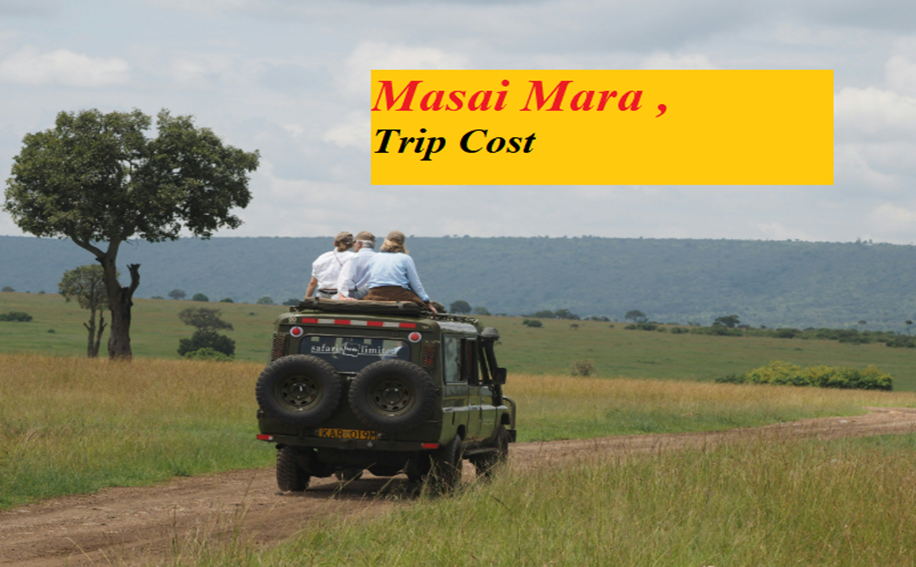
The Masai Mara trip cost depends on several factors, including the type of safari, accommodation, travel dates, transportation, number of travelers, and activities you choose. The Maasai Mara offers everything from simple camping and shared safaris to private vehicles, luxury tented camps, and exclusive conservancy experiences. However, travelers should not judge the cost of a Maasai Mara safari by accommodation alone. In addition, the total trip cost can include park or conservancy fees, transportation, game drives, meals, guide services, flights, cultural activities, and optional experiences. Therefore, considering all these factors together can help travelers plan their safari budget more accurately.
This guide explains what to expect when planning a trip to the Maasai Mara. It covers the destination, safari styles, accommodation, wildlife, activities, transportation, safety, and package inclusions before providing an estimated Maasai Mara safari cost section near the end.
Because safari prices change according to season, availability, exchange rates, property, and itinerary, the figures in this guide are planning estimates rather than fixed prices. Always confirm the final quotation directly with the reserve, lodge, camp, airline, or safari operator before booking.
2. Where Is the Maasai Mara?
Where Is the Maasai Mara?
The Maasai Mara is located in southwestern Kenya, in Narok County, close to the Tanzania border. It also forms part of the larger Mara-Serengeti ecosystem and connects ecologically with Tanzania’s Serengeti National Park. Furthermore, the area is famous for its open grasslands, wildlife-rich plains, seasonal rivers, and large populations of predators and herbivores. In particular, the Mara River plays an important role in the ecosystem and becomes especially significant during the Great Migration.
The Maasai Mara National Reserve is the main protected area visited by safari travelers. In addition, several community conservancies surround the reserve and provide additional wildlife areas and tourism experiences. Therefore, when planning your trip, it is important to understand the differences between the national reserve, conservancies, and the Mara Triangle because accommodation, access arrangements, wildlife experiences, and operating rules can vary between them.
3. Best Time to Visit
Best Time to Visit the Maasai Mara
The best time to visit the Maasai Mara depends on the type of experience you want. Generally, the dry months provide favorable conditions for wildlife viewing because vegetation becomes less dense and animals often gather around reliable water sources. As a result, these conditions can make game viewing easier, particularly for first-time safari travelers. Moreover, the Great Migration is another major reason travelers visit the Mara. Large numbers of wildebeest and other herbivores move through the greater Mara ecosystem during part of the year, although the exact timing can change from year to year.
On the other hand, the wetter months also offer rewarding safari experiences. The landscape becomes greener, bird activity can increase, and some areas experience periods of animal births. Therefore, instead of choosing dates only because they are considered a “peak season,” consider your priorities. Wildlife viewing, migration, photography, birdwatching, accommodation availability, weather, and overall travel style can all influence the ideal time for your trip. In addition, your travel dates can affect your Masai Mara trip cost, as accommodation availability and safari demand may vary between seasons.
4. How to Get to the Maasai Mara
Most international visitors first travel to Nairobi before continuing to the Maasai Mara.
By Air
Flying from Nairobi’s Wilson Airport provides a convenient way to reach the Mara. In addition, several safari aviation companies operate scheduled services to airstrips serving different parts of the greater Mara area. Safarilink lists scheduled services between Wilson Airport and the Maasai Mara, with flights serving multiple major airstrips. Similarly, AirKenya operates scheduled services from Wilson Airport to the Maasai Mara as part of its East African safari network. However, flight schedules and fares can change, so travelers should check the airlines’ current booking systems before planning their itinerary.
By Road
Travelers can also reach the Maasai Mara by road from Nairobi. Road safaris allow you to experience more of Kenya’s landscape and can work well when the Mara forms part of a longer itinerary. Road travel can also connect the Mara with destinations such as Lake Naivasha, Lake Nakuru, Amboseli, or other safari areas. Your safari operator can recommend the most practical transportation option based on your itinerary, accommodation, and arrival time in Kenya.
5. Types of Maasai Mara Safaris
The Maasai Mara accommodates different travel styles, so there is no single safari format that suits everyone. Understanding these options can also help you estimate your Masai Mara trip cost, as budget, mid-range, luxury, private, family, and fly-in safaris can have significantly different pricing structures.
Budget Safari
The Maasai Mara accommodates different travel styles, so there is no single safari format that suits everyone. Understanding these options can also help you estimate your Masai Mara trip cost, as budget, mid-range, luxury, private, family, and fly-in safaris can have significantly different pricing structures.
Mid-Range Safari
A mid-range safari generally provides a balance between comfort and overall trip value. Travelers may stay in comfortable tented camps, lodges, or safari properties with private bathrooms, dining facilities, guided game drives, and other standard services.
Luxury Safari
Luxury safaris emphasize comfort, personalized service, high-quality accommodation, fine dining, and carefully planned wildlife experiences. Furthermore, luxury properties may provide spacious tented suites, private decks, excellent views, personalized guiding, wellness services, and access to private conservancies or exclusive wildlife areas. As a result, travelers can enjoy a more personalized safari experience while having access to a range of premium services and facilities.
Private Safari
A private safari gives your group greater control over the itinerary. Depending on the package, you may have a private safari vehicle and guide, allowing you to decide how long to spend at wildlife sightings and when to begin or finish game drives. Private safaris work particularly well for photographers, families, couples, and travelers with specific interests.
Group or Shared Safari
A shared safari combines travelers from different bookings in the same vehicle. This arrangement can make safari travel more accessible and provides opportunities to meet other travelers. However, you normally have less control over the daily schedule because the group shares the same itinerary.
Family Safari
Family safaris require careful planning around accommodation, vehicle arrangements, meal requirements, and children’s ages. Families should confirm whether their chosen camp accepts children, whether family rooms or interconnected tents are available, and whether private vehicles are required for younger children.
Solo Safari
Solo travelers can join shared safaris or arrange private itineraries. A shared safari can provide a social experience, while a private safari offers more flexibility. Travelers should also check whether a property applies a single supplement. Some luxury properties have specific single-traveler policies. For example, Angama publishes separate 2026 single-traveler conditions depending on the season.
Fly-In Safari
Fly-in safaris use scheduled or charter aircraft to connect Nairobi or another safari destination with an airstrip near your camp. This option reduces road travel time and can be especially convenient for travelers with limited vacation time.
Road Safari
A road safari provides more time to experience Kenya’s landscapes between destinations. It can also make sense for travelers combining the Maasai Mara with other destinations such as Lake Nakuru, Lake Naivasha, or Nairobi.
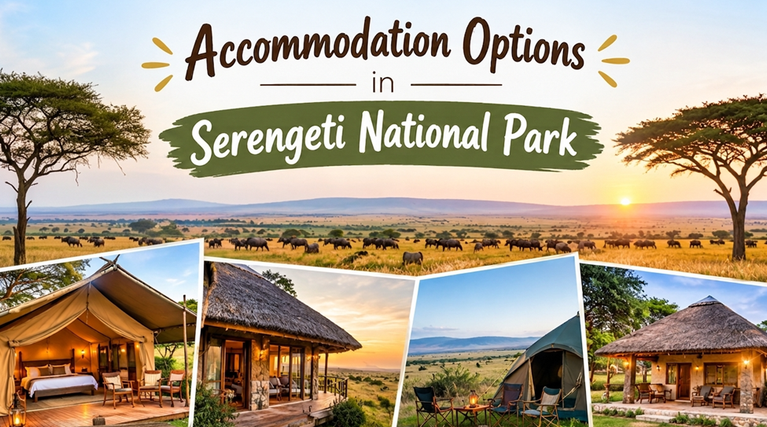
6.Accommodation Options and Masai Mara Trip Cost
Accommodation in the Maasai Mara ranges from basic campsites to high-end tented camps and luxury safari lodges. Your choice of accommodation can significantly influence your Masai Mara trip cost, depending on the level of comfort, location, services, and amenities included.
Common options include:
- Public or budget campsites
- Permanent tented camps
- Mid-range safari camps
- Safari lodges
- Luxury tented camps
- Private conservancy camps
- Exclusive-use villas or suites
Your accommodation location can influence your safari experience. Properties inside or close to the reserve may provide convenient access to game-viewing areas, while conservancy properties can offer different wildlife and cultural experiences. Before booking, check what your accommodation package includes. Some properties include meals, guided activities, drinks, and certain park fees, while others charge some services separately.
7. Game Drives and Masai Mara Trip Cost
Game drives are the central activity for most Maasai Mara safaris.
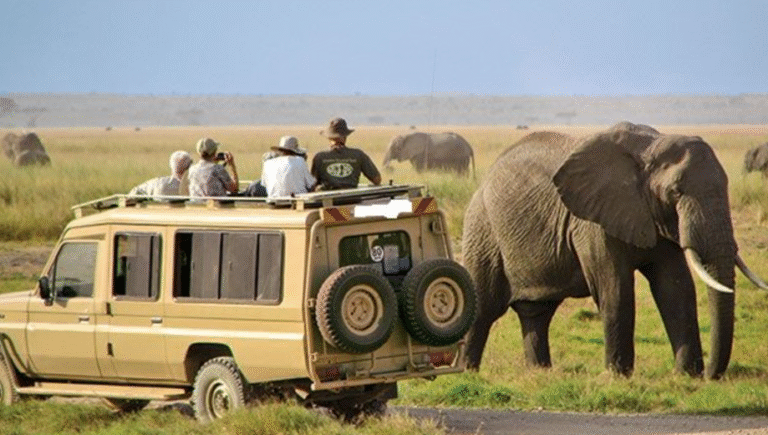
A typical game drive takes place in a specially equipped safari vehicle with a trained guide. Travelers search for animals such as lions, leopards, cheetahs, elephants, buffalo, giraffes, zebras, wildebeest, hippos, and numerous bird species. Generally, morning and afternoon drives can provide different wildlife-viewing conditions. In addition, some private safari arrangements offer greater flexibility for photography, wildlife tracking, and spending more time at interesting sightings. However, the quality of a game drive depends on more than the vehicle itself. The guide’s knowledge, wildlife conditions, location, weather, and timing can all influence the experience. Therefore, choosing an experienced safari operator and knowledgeable guide can be an important part of planning your Maasai Mara experience.
8. Great Migration
However, the quality of a game drive depends on more than the vehicle itself. The guide’s knowledge, wildlife conditions, location, weather, and timing can all influence the experience. Therefore, choosing an experienced safari operator and knowledgeable guide can be an important part of planning your Maasai Mara experience. The Great Migration is one of the most famous wildlife spectacles associated with the Maasai Mara and Serengeti ecosystem. During this natural cycle, large herds of wildebeest, accompanied by zebras and other herbivores, move through the ecosystem in search of fresh grazing and water.
The Mara River crossings attract considerable attention; however, migration activity does not follow an exact annual schedule. Weather and rainfall influence animal movements, so visitors should avoid treating a particular date as a guaranteed crossing date. Instead, travelers should view the migration as a dynamic natural event. Moreover, the Great Migration experience extends beyond the famous river crossings. Travelers may also witness large grazing herds, increased predator activity, calving periods, and changing wildlife concentrations across different parts of the ecosystem. As a result, the overall migration experience can vary depending on the season, rainfall patterns, and the location of the herds during a visit.
9. Wildlife You Can See
The Maasai Mara is home to a remarkable variety of wildlife, and the species you may encounter can also influence your Masai Mara trip cost depending on the season, safari duration, and type of wildlife experience you choose.
Big Five
Visitors may encounter:
- Lion
- Leopard
- Elephant
- African buffalo
- Rhinoceros
However, no safari can guarantee sightings of every species.
Other Wildlife
The Mara also supports a diverse range of wildlife, giving travelers plenty of opportunities to experience Kenya’s rich natural environment while planning their Masai Mara trip cost.
- Cheetahs
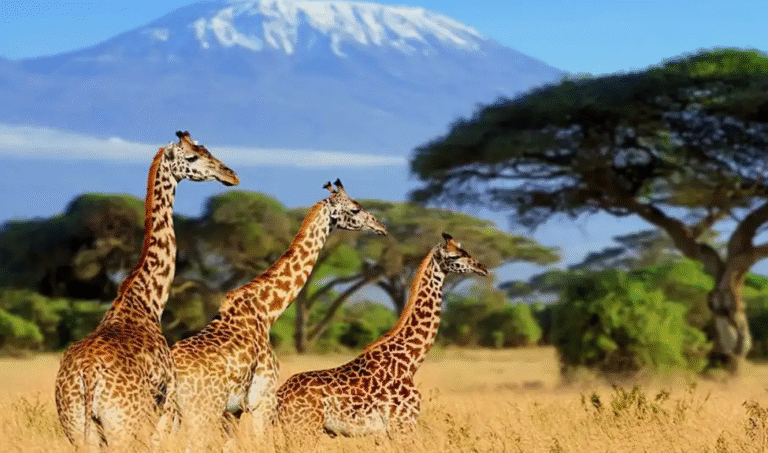
- Giraffes
- Zebras
- Wildebeest
- Hippos
- Crocodiles
- Hyenas
- Gazelles
- Topi
- Impalas
- Warthogs
- Elands
- Baboons
- Many birds’ species
Wildlife sightings vary according to season, weather, location, and animal movements.
10. Maasai Cultural Experiences
A Maasai cultural experience can add an important human and cultural dimension to a safari. Depending on the community and tourism arrangement, travelers may learn about traditional lifestyles, local crafts, music, dance, livestock practices, and community history. In addition, these experiences can provide travelers with a better understanding of the communities that live around the Maasai Mara and their connection with the surrounding environment. At the same time, responsible cultural tourism should treat local communities with respect and avoid presenting culture as entertainment without context. Therefore, travelers should ask their safari operator how the experience is organized and whether local communities directly benefit from the tourism activity.
11. Hot-Air Balloon Safari and Masai Mara Trip Cost
A hot-air balloon safari offers a different perspective of the Maasai Mara. The experience generally begins early in the morning, when travelers fly above the landscape while watching the sunrise and observing wildlife from the air. After the flight, many balloon experiences include a bush breakfast before travelers continue with their safari activities. Balloon flights depend on weather conditions and operator availability. They should therefore be booked through a reputable licensed operator and confirmed as part of the overall itinerary.
12. Conservancies
Mara conservancies surround and complement the national reserve. Generally, they are managed through partnerships involving landowners, tourism operators, and conservation organizations. Furthermore, the Maasai Mara Wildlife Conservancies Association states that its network includes 24 conservancies and aims to connect wildlife conservation with community livelihoods. This model can help link tourism activities with local economic opportunities while supporting the protection of wildlife and natural habitats. In addition, conservancies can provide distinctive safari experiences, including quieter game viewing, walking safaris, night activities where permitted, and cultural experiences. However, conservancies are not identical. Each one has its own management structure, tourism partners, access arrangements, and operating rules. Therefore, travelers should research the specific conservancy and accommodation they plan to visit to understand what experiences and access conditions apply.
13. Mara Triangle
The Mara Triangle is a major wildlife area within the greater Maasai Mara ecosystem. According to the Mara Conservancy, the Mara Triangle covers approximately 510 square kilometers, or around one-third of the Maasai Mara National Reserve. It also includes the Oloololo Escarpment and the Mara River, both of which contribute to the area’s distinctive landscape. Furthermore, the Mara Triangle is well known for its wildlife-viewing opportunities and forms an important part of the wider Mara ecosystem. However, it operates under its own management arrangements. Therefore, travelers should check the latest access information, entry requirements, and operating rules before planning their visit.
14. Activities
Although game drives remain the main safari activity, travelers can choose from several other experiences depending on their accommodation and location. These activities can also influence the overall Masai Mara trip cost, particularly when optional experiences are not included in the main safari package.
Possible activities include:
- Guided game drives
- Walking safaris
- Hot-air balloon flights
- Birdwatching
- Maasai cultural experiences
- Photography
- Nature walks
- Bush breakfasts
- Sundowners
- Conservation experiences
- Community visits
Not every activity operates in every part of the Maasai Mara. Some experiences are restricted to specific conservancies or camps.
15. Safety
The Maasai Mara is a wilderness environment, so visitors should follow their guide’s instructions throughout the safari. Planning ahead for safety, transportation, and other travel requirements can also help travelers manage their Masai Mara trip cost more effectively.
Important safety practices include:
- Remain inside the safari vehicle unless your guide permits you to leave.
- Never approach wildlife on foot without professional guidance.
- Keep a safe distance from animals.
- Follow camp and lodge safety instructions.
- Keep food and personal belongings secured.
- Follow guidance around rivers and other wildlife areas.
- Avoid wandering around camps after dark without an escort when the property requires one.
- Carry appropriate travel insurance.
- Keep important travel documents secure.
Travelers should also check current Kenyan entry requirements before departure.
16. Packing Guide
A practical Maasai Mara packing list should focus on comfort, weather conditions, wildlife viewing, and photography.
Recommended items
- Lightweight clothing
- Neutral-colored shirts and trousers
- Comfortable walking shoes
- Lightweight jacket or fleece
- Hat or cap
- Sunglasses
- Sunscreen
- Insect repellent
- Binoculars
- Camera and spare batteries
- Power bank
- Reusable water bottle
- Personal medications
- Small daypack
- Travel documents
- Travel insurance information
Early morning game drives can feel cool, even when daytime temperatures become warm, so layering works well.
17. Responsible Tourism and Conservation
Responsible tourism plays an important role in protecting the Maasai Mara ecosystem. For example, visitors can contribute to conservation by respecting wildlife rules, avoiding litter, reducing unnecessary plastic use, and following the instructions of guides and conservation authorities. In addition, choosing responsible accommodation and tourism providers can help direct tourism revenue toward conservation efforts and local communities. Furthermore, the Maasai Mara Wildlife Conservancies Association describes the conservancy model as a partnership between landowners and tourism partners, with benefits linked to both community livelihoods and wildlife conservation. Therefore, travelers can support the region by choosing tourism services that promote responsible environmental and community practices. At the same time, visitors should avoid purchasing products made from protected wildlife species or participating in activities that exploit or harm animals.
“Read our related Masai Mara travel guides for more tips on wildlife, timing, and safari planning“
18. How Long Should You Stay?
The ideal length of a Maasai Mara safari depends on your itinerary and interests.
Short Safari
A short safari can work for travelers with limited time who want to experience the Mara after visiting Nairobi.
3–4 Nights
Three or four nights provide more opportunities for multiple game drives and a more relaxed experience.
5–7 Nights
A longer stay allows travelers to explore different areas, include additional activities, and spend more time observing wildlife without rushing.
Longer East African Safari
Travelers with more time can combine the Maasai Mara with destinations such as Amboseli, Lake Nakuru, the Serengeti, or the Kenyan coast.
19. What Is Included in a Safari Package?
Safari packages vary significantly, so travelers should always request a detailed itinerary before paying a deposit.
Depending on the operator and accommodation, a package may include:
- Accommodation
- Meals
- Game drives
- Safari vehicle
- Professional guide
- Drinking water
- Airport or airstrip transfers
- Domestic flights
- Park or conservancy access
- Selected activities
- Cultural experiences
- Laundry services
- Certain drinks
Never assume that every item is included simply because a safari is advertised as “all-inclusive.” For example, Angama’s 2026 published rates describe its Mara accommodation as fully inclusive, while specific offers separately identify exclusions such as park fees, additional experiences, purchases, massages, and gratuities.
20. What Is Usually Not Included?
Depending on your package, the following expenses may be charged separately:
- International flights
- Kenya entry requirements
- Travel insurance
- Personal shopping
- Alcoholic beverages or premium drinks
- Spa treatments
- Tips and gratuities
- Optional excursions
- Certain cultural experiences
- Private vehicle upgrades
- Charter flights
- Additional transfers
- Personal laundry
- Extra accommodation nights
The exact exclusions depend on the property and safari operator, so always compare the inclusions and exclusions before comparing prices.
21. Estimated Maasai Mara trip Cost (safari trip)
Important Note About Maasai Mara Safari Prices
There is no single fixed Maasai Mara safari price.
The final Masai Mara trip cost depends on the travel season, accommodation standard, number of nights, number of travelers, transportation method, location of the camp, park or conservancy fees, activities, and whether you choose a private or shared safari. The figures below are therefore approximate 2026 planning ranges, not official universal prices. Use them to understand the possible scale of a trip rather than as a guaranteed quotation.
Estimated Maasai Mara trip Cost by Safari Style (safari trip)
| Safari Type | Approximate 2026 Planning Range |
| Budget safari | $400–$800+ per person |
| Mid-range safari | $700–$1,500+ per person |
| Luxury safari | $1,500–$5,000+ per person |
| Premium luxury safari | $3,000–$10,000+ per person |
| Solo safari | $600–$3,000+ per person |
| Private safari | $1,000–$5,000+ per person |
| Family safari | $1,500–$8,000+ per family |
| Fly-in safari | $1,000–$5,000+ per person |
| 7-day safari | $1,500–$10,000+ per person |
These broad ranges can overlap because a three-night luxury safari and a seven-night luxury safari obviously have very different totals.
Maasai Mara Reserve Entry Fees
One of the most important costs to check separately is the reserve entry fee.
The Maasai Mara National Reserve’s published 2026 fee schedule lists non-resident adults at $100 per 12-hour entry from January through June and $200 per 12-hour entry from July through December. Meanwhile, children aged 9–17 are charged $50, while children aged 8 and under can enter free of charge. In addition, the Reserve publishes separate vehicle entry charges based on the vehicle’s seating capacity. Therefore, travelers should confirm whether their safari quotation already includes the applicable Reserve entry and vehicle charges before adding these costs to their total Masai Mara trip cost.
Luxury Accommodation Example
Luxury properties demonstrate why there can be a large difference between one Maasai Mara itinerary and another.
For example, Angama Mara’s official 2026 published rates list:
- $1,850 per person per night during its Standard Season
- $2,750 per person per night during its Peak Season
The property describes these as fully inclusive rates and states that they are priced per guest per night. Similarly, Angama Safari Camp provides another example of the variation within the luxury segment, with its official 2026 rates listed at $950 per person per night during Standard Season and $2,200 per person per night during Peak Season. However, these figures represent specific properties and should not be interpreted as the average price of every luxury safari in the Maasai Mara. Actual rates can vary depending on the property, season, accommodation type, inclusions, and length of stay.
What Determines Your Final Safari Cost?
Your final quotation may change according to:
- Travel season – Peak migration periods and holiday dates can increase demand.
- Accommodation – Camps, lodges, and luxury properties have very different rates.
- Number of nights – Longer stays increase the overall trip cost but can reduce the pressure of a short itinerary.
- Number of travelers – Sharing vehicles and rooms can change the per-person cost.
- Private or shared vehicle – Private arrangements generally provide more flexibility.
- Transport – Road transfers, scheduled flights, and private charters have different pricing structures.
- Activities – Balloon flights, cultural experiences, walking safaris, and other activities may be additional.
- Park or conservancy fees – These depend on where you visit and whether your accommodation package already includes them.
- Single supplements – Solo travelers may pay more when a property charges a supplement.
- Family arrangements – Children’s rates and room requirements differ between properties.
- International airfare – Flights to Kenya are normally separate from the safari quotation.
- Trip length – A longer itinerary naturally creates a higher overall cost.
How to Get an Accurate Maasai Mara Trip Cost
Instead of relying on one general figure, travelers should request a personalized quotation.
Give the safari operator:
- Travel dates
- Number of adults
- Number of children and their ages
- Number of nights
- Preferred accommodation level
- Private or shared safari preference
- Road or fly-in preference
- Desired activities
- Any dietary requirements
- Other Kenyan destinations you want to visit
The operator can then calculate the itinerary using current accommodation, transport, park, conservancy, and activity rates. This approach is more reliable than using an old online price because safari rates can change between seasons and from one year to another.
22. Official Maasai Mara Information & Booking Sources
Therefore, travelers should use official sources to verify the latest park information, accommodation rates, flight schedules, entry requirements, and safari quotations before finalizing their plans. This can help ensure that their Masai Mara trip cost reflects the most current available information.
Maasai Mara National Reserve
The official reserve website provides information about entry fees, visitor requirements, and reserve access.
Masai Mara National Reserve – Official Website
Official Maasai Mara Entry Fees
Maasai Mara Wildlife Conservancies Association
The Maasai Mara Wildlife Conservancies Association provides information about the wider conservancy ecosystem and its member conservancies. Furthermore, its current information states that it coordinates a network of 24 conservancies, highlighting the scale of community-based conservation across the greater Maasai Mara region.
Maasai Mara Wildlife Conservancies Association
Mara Triangle
The Mara Conservancy provides official information about the Mara Triangle, including visitor information and the area’s management.
Mara Triangle – Official Website
Angama Mara
Angama publishes its current accommodation rates, inclusions, seasonal information, and booking contacts.
Angama Mara – Official Website
Angama Mara Rates & Availability
Elewana Collection
Elewana operates safari properties in Kenya and publishes accommodation and safari information through its official website.
Elewana Collection – Official Website
Governors’ Camp Collection
This Camp provides accommodation and safari services in the Maasai Mara, together with aviation services.
Governors’ Camp – Official Website
AirKenya
Operates scheduled safari flights from Nairobi’s Wilson Airport to destinations including the Maasai Mara.
Safarilink
Safarilink provides scheduled flights to the Maasai Mara and other safari destinations in East Africa.
Safari Agencies and Tour Operators for Planning Masai Mara Trip Costs
For travelers who want a complete itinerary rather than booking each component separately, a licensed Kenyan safari operator can prepare a customized quotation. The Kenya Association of Tour Operators (KATO) represents more than 300 Kenyan tour operators and provides a directory and quotation service for travelers. KATO states that its members are licensed tour operators that meet its membership requirements.
Kenya Association of Tour Operators – Official Website
Using a tour operator can be useful when you want to combine accommodation, transportation, game drives, flights, park access, and additional Kenyan destinations into one itinerary. When requesting quotations from agencies, ask each company to provide a clear breakdown of:
- Accommodation
- Transportation
- Safari vehicle
- Guide
- Park or conservancy fees
- Meals
- Domestic flights
- Activities
- Airport transfers
- Taxes and service charges
- Exclusions
- Cancellation terms
- Payment schedule
This makes it easier to compare quotations based on what each package actually contains rather than comparing headline prices alone.
Preparing for Your Masai Mara Safari?
Get ready for your adventure with practical travel essentials and safari gear available on Amazon.
Explore AMAZON TRAVEL PRODUCTS
Final Thoughts
Planning a Maasai Mara safari involves more than simply choosing the cheapest or most luxurious package. Instead, the right itinerary depends on several factors, including your travel dates, accommodation preferences, transportation, safari style, planned activities, and the type of wildlife experience you want. Therefore, considering these factors together can help you create an itinerary that matches your interests, schedule, and overall Masai Mara trip cost. The Masai Mara trip cost can change significantly between travelers because safari packages are highly customizable. For this reason, use general price ranges only for initial planning and then obtain a current quotation from an official property, airline, conservancy, or reputable safari operator. Most importantly, compare the full package inclusions and exclusions rather than comparing one advertised price with another. This approach helps you understand what you are actually paying for and reduces the risk of unexpected expenses during your safari.

One Comment